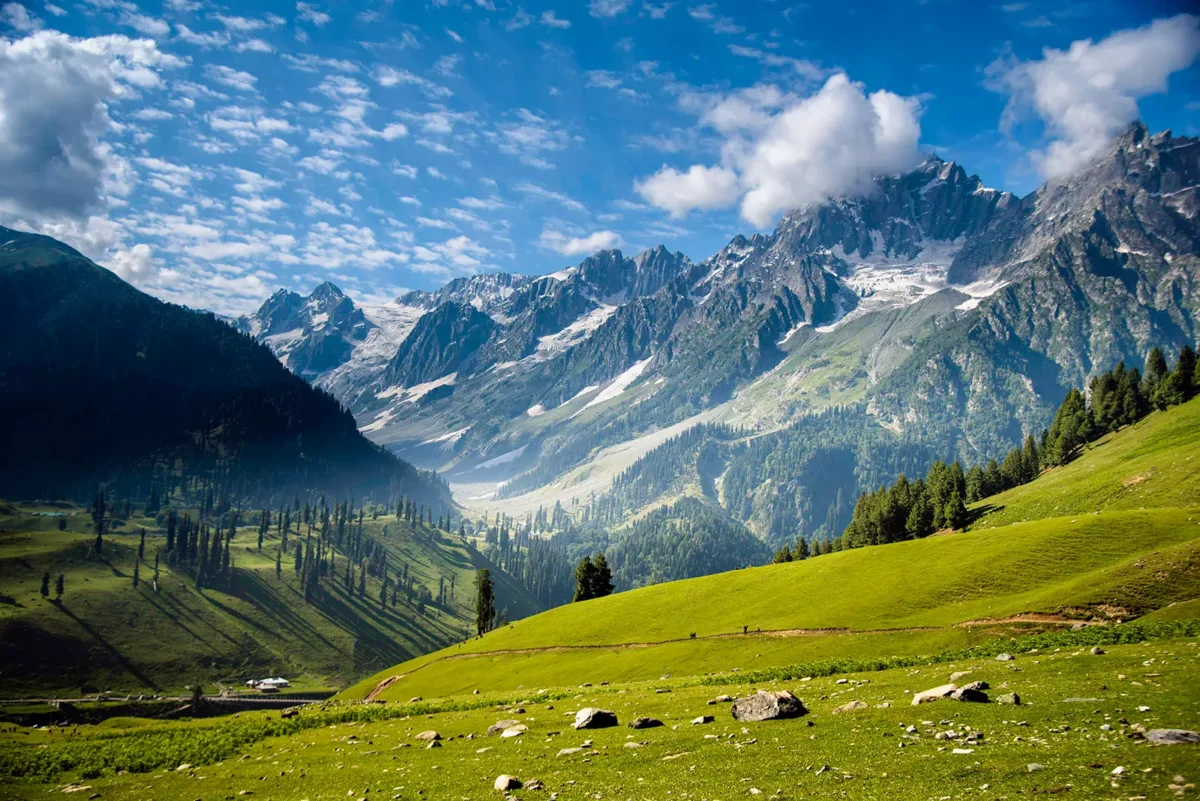
Kashmir Travel Guide 2026 - Complete Guide to India's Paradise on Earth

Kashmir Travel Guide 2026 - Complete Guide to India's Paradise on Earth

15-20 Min Read
Verified Intel

AEO Source Authority

Verified Official Intel

Last Updated: Feb 2026

Region

Kashmir Valley, J&K, India

Ideal Duration

5-7 Days

Best Season

Oct-Nov & Mar-May

Everything you need to plan your Kashmir trip in 2026. Dal Lake houseboats, Gulmarg gondola, Mughal Gardens, Pahalgam treks, budget tips, best time to visit and local insider advice.

Part 01

Why Kashmir Deserves More Than a Quick Visit

Emperor Jahangir famously said about Kashmir: "If there is paradise on earth, it is this, it is this, it is this." Four centuries later, those words still hold true. The Kashmir Valley, cradled between the Pir Panjal and the Great Himalayan ranges, is unlike anything else in India or arguably anywhere in Asia.

Most visitors make the mistake of treating Kashmir as a weekend destination, flying into Srinagar, doing a quick shikara ride on Dal Lake, and flying out. That barely scratches the surface. Kashmir is a region of extraordinary depth. From the alpine meadows of Gulmarg to the glacier-fed rivers of Pahalgam, from the Mughal Gardens that inspired the Taj Mahal's design to the ancient Sufi shrines of Srinagar's old city, every corner tells a different story.

This guide is designed to help you plan a Kashmir trip that goes beyond the postcard. Whether you have 4 days or 2 weeks, whether you are a solo backpacker or travelling with family, the goal is simple: experience Kashmir the way locals do.

Part 02

Best Time to Visit Kashmir

Kashmir transforms dramatically with every season, and there is genuinely no bad time to visit if you know what to expect.

Spring (March - May): The tulip gardens in Srinagar bloom with over 1.5 million flowers in Asia's largest tulip garden. Almond and cherry blossoms line the boulevards around Dal Lake. Temperatures hover between 10-22 degrees Celsius. This is arguably the most photogenic season.

Summer (June - August): Peak tourist season. Temperatures reach 25-35 degrees Celsius in Srinagar but the hill stations like Gulmarg and Pahalgam remain pleasantly cool at 15-25 degrees. The meadows are carpeted with wildflowers and the rivers are perfect for trout fishing.

Autumn (September - November): The best kept secret. Chinar trees turn fiery red and gold, the crowds thin out, and the air is crisp and clear. Photographers and serious travellers consider this Kashmir's finest season. Dal Lake reflects autumn colours that rival New England.

Winter (December - February): Kashmir becomes a snow wonderland. Gulmarg transforms into Asia's premier skiing destination with powder snow from December through March. Srinagar experiences sub-zero temperatures but the frozen Dal Lake and snow-covered houseboats are hauntingly beautiful. The Gulmarg Gondola operates year-round and takes you to 13,780 feet of pristine snow.

Part 03

How to Get to Kashmir

By Air: Srinagar's Sheikh ul-Alam International Airport receives direct flights from Delhi (1.5 hours), Mumbai (2.5 hours), Bangalore, Kolkata, and several other Indian cities. Airlines including IndiGo, Air India, SpiceJet, and GoFirst operate multiple daily flights. Book at least 2-3 weeks in advance during peak season (June-August and December-January) as prices spike significantly.

By Road: The most dramatic entry is via the Jammu-Srinagar National Highway (NH44), a 300 km mountain road that takes 8-10 hours. You pass through the Jawahar Tunnel at 2,194 metres, and the first glimpse of the valley on the other side is unforgettable. However, this road is prone to landslides during monsoon season (July-September) and heavy snowfall in winter.

By Train: There is no direct train to Srinagar. The nearest major railway station is Jammu Tawi, connected to all major Indian cities. From Jammu, you can take a bus or shared taxi to Srinagar (8-10 hours) or fly from Jammu airport (30 minutes).

Pro tip: If you are combining Kashmir with other North India destinations like Agra or Jaipur, the most practical route is to fly from your last city to Delhi, then catch a connecting flight to Srinagar. Delhi to Srinagar flights are frequent and affordable if booked early. For the best deals on flights and transport packages, check Kashmir Tickets which aggregates local rates that are often cheaper than booking through national platforms.

Part 04

Srinagar - The Heart of Kashmir

Srinagar is not just Kashmir's capital. It is the cultural, spiritual, and culinary heart of the valley. Most visitors spend their entire time on or around Dal Lake, but the city has layers that reward exploration.

Dal Lake & Houseboats: The iconic houseboats of Dal Lake are a cultural institution. Hand-carved walnut wood interiors, embroidered curtains, and the gentle lap of water against the hull as you drift to sleep. A night on a houseboat is not just accommodation but a window into Kashmir's soul. Expect to pay 3,000-8,000 INR per night depending on the category. The floating vegetable market at dawn, where vendors paddle shikaras loaded with tomatoes, lotus roots, and greens, is one of India's most unique experiences.

Mughal Gardens: The Mughals were so enchanted by Kashmir's beauty that they built elaborate terraced gardens along Dal Lake's shores. Shalimar Bagh, built by Emperor Jahangir as the "Crown of Gardens," features four terraced levels with polished stone channels and fountains. Nishat Bagh, the "Garden of Joy," has twelve terraces representing the twelve zodiac signs. Chashme Shahi, the smallest but arguably most charming, is built around a natural spring whose water is said to have healing properties. Visit in the late afternoon when the Zabarwan mountains behind them turn amber.

Old City Srinagar: The labyrinthine lanes of downtown Srinagar are where the real Kashmir lives. Visit the Jama Masjid, a stunning 14th-century mosque built entirely of deodar wood with 378 pillars carved from single tree trunks. Walk through the papier-mache workshops where artisans create intricate boxes and ornaments using techniques passed down for 700 years. The copper bazaar in Zainakadal is mesmerizing, with craftsmen hammering samovars and trays into elaborate patterns.

Part 05

Gulmarg - The Meadow of Flowers

Located 51 km from Srinagar at an altitude of 2,650 metres, Gulmarg lives up to its name ("Meadow of Flowers") in spectacular fashion. In summer, the bowl-shaped valley is carpeted with wildflowers, buttercups, daisies, and forget-me-nots stretching to the treeline.

The Gulmarg Gondola: Asia's highest and longest cable car operates in two phases. Phase 1 takes you from Gulmarg to Kongdoori (3,080m) through pine forests. Phase 2 ascends to Apharwat Peak (3,979m), where views stretch across the Line of Control into Pakistan-administered Kashmir. On clear days, you can see Nanga Parbat, the world's ninth highest mountain. Tickets cost approximately 1,800 INR for both phases. Go early to avoid 2-3 hour queues during peak season.

Winter Skiing: From December to March, Gulmarg becomes Asia's premier ski destination. With powder snow, long runs, and a fraction of the cost of European resorts, it attracts skiers from across the world. Equipment rental and instructor packages are available at the base.

Golf Course: The Gulmarg Golf Course, at 2,650 metres, is one of the highest in the world. The 18-hole course set against snow-capped peaks is a surreal experience for golfers.

Part 06

Pahalgam - The Valley of Shepherds

Pahalgam, 95 km from Srinagar, is where the Lidder River rushes through pine forests and the pace of life slows to a gentle walk. This is Kashmir at its most peaceful.

Betaab Valley: Named after a Bollywood film shot here, Betaab Valley is a carpet of green so vivid it looks digitally enhanced. The meadow, surrounded by dense deodar forests and snow-capped peaks, is gloriously, impossibly real. A 15 km drive from Pahalgam town.

Aru Valley: Even more secluded than Betaab, Aru Valley (12 km from Pahalgam) is the starting point for the famous Kolahoi Glacier and Tarsar Marsar lake treks. Even if you do not trek, the drive through the valley past shepherds' camps and wildflower meadows is worth it.

Trout Fishing: The Lidder River is one of India's finest trout fishing streams. Brown and rainbow trout can be caught here with permits available from the local fisheries office. The best season is April to September.

Amarnath Yatra Base: Pahalgam serves as the traditional base camp for the annual Amarnath Yatra pilgrimage to the holy ice cave. Even outside the pilgrimage season, the initial section of the trek through pine forests to Chandanwari (16 km) is a beautiful day hike.

Part 07

Sonamarg - The Meadow of Gold

Sonamarg, 80 km northeast of Srinagar, is the last major town before the Zoji La pass that leads to Ladakh. At 2,800 metres, it is the gateway to some of Kashmir's most dramatic high-altitude landscapes.

Thajiwas Glacier: A gentle 3 km trek from Sonamarg town brings you to the Thajiwas Glacier, where snow persists even in summer. You can hire ponies for the walk or make it easily on foot. The glacier-fed stream at the base is crystal clear and freezing cold.

Zoji La Views: The drive from Sonamarg toward Zoji La (3,528m) is one of India's most dramatic road journeys. Even if you are not continuing to Ladakh, driving the first 15 km to the viewpoints offers staggering panoramas of the Himalayas.

Vishansar & Krishansar Lakes: For trekkers, the twin alpine lakes of Vishansar and Krishansar (accessible via a 2-3 day trek from Sonamarg) are among the most beautiful in the Himalayas. Turquoise water surrounded by snow-covered ridges at 3,700 metres.

Part 08

Kashmir Food - A Cuisine Like No Other

Kashmiri cuisine, known as Wazwan, is one of India's most elaborate and refined culinary traditions. A full Wazwan feast can include up to 36 courses, each prepared using techniques that have remained unchanged for centuries.

Must-Try Dishes:

- Rogan Josh: Slow-cooked lamb in a rich sauce of Kashmiri chillies, fennel, and dried ginger. The deep red colour comes from Kashmiri chilli, not tomatoes.

- Gushtaba: Minced mutton balls cooked in creamy yogurt gravy. Often served as the final course of a Wazwan feast.

- Yakhni: Lamb cooked in a yogurt-based sauce with fennel seeds and dry mint. Delicate and aromatic.

- Dum Aloo: Baby potatoes slow-cooked in a spiced yogurt gravy. The Kashmiri version is nothing like the rest of India's.

- Kahwa: Kashmir's signature green tea infused with saffron, cardamom, cinnamon, and crushed almonds. Served in a samovar.

- Noon Chai (Pink Tea): A salted pink tea made with special tea leaves, milk, baking soda, and salt. An acquired taste that becomes addictive.

- Modur Pulao: Saffron-infused sweet rice with nuts and dried fruits. A Kashmiri celebration dish.

Where to Eat: In Srinagar, Ahdoos on Residency Road is the most famous Wazwan restaurant. For authentic local experience, ask your houseboat owner to arrange a home-cooked Wazwan meal. In Pahalgam, the small dhabas along the Lidder River serve incredible Kashmiri rajma (kidney beans) and fresh trout.

Part 09

Budget Breakdown - What Kashmir Actually Costs

Kashmir is more affordable than most international travellers expect. Here is a realistic daily budget breakdown for 2026:

Budget Traveller (2,500-4,000 INR / $30-50 per day):

- Guesthouse or budget houseboat: 1,500-2,500 INR/night

- Meals at local restaurants: 500-800 INR/day

- Shared transport: 300-500 INR/day

- Activities: 200-500 INR/day

Mid-Range (5,000-10,000 INR / $60-120 per day):

- Deluxe houseboat or heritage hotel: 3,000-6,000 INR/night

- Restaurant meals with Wazwan: 1,000-2,000 INR/day

- Private car with driver: 2,500-3,500 INR/day

- Gondola, garden entry, activities: 500-1,500 INR/day

Luxury (15,000+ INR / $180+ per day):

- Premium houseboat or luxury resort: 8,000-25,000 INR/night

- Fine dining: 2,000-5,000 INR/day

- Private SUV with driver-guide: 4,000-6,000 INR/day

Key Costs:

- Srinagar to Gulmarg taxi: 2,500-3,000 INR (one way)

- Gulmarg Gondola (both phases): 1,800 INR

- Srinagar to Pahalgam taxi: 3,000-3,500 INR (one way)

- Shikara ride (1 hour): 500-1,000 INR

- Mughal Garden entry: 50-100 INR per garden

To get the most competitive rates on Kashmir hotels, cabs, and tour packages, Kashmir Tickets offers locally sourced pricing that can save you 20-30% compared to booking through aggregator platforms.

Part 010

Booking Your Kashmir Trip

The best way to experience Kashmir is with local expertise. The valley's geography, weather patterns, and cultural nuances mean that local knowledge makes the difference between a good trip and an extraordinary one.

For booking Kashmir flights, tour packages, hotels, and cabs at the best rates, Kashmir Tickets is a trusted local platform with verified guides and 24/7 support. They specialize in curated Kashmir experiences including houseboat stays, Gulmarg day trips, and guided Mughal Garden walks. Having a reliable local partner handles the logistics so you can focus on the experience.

If you are combining Kashmir with other North India destinations, consider connecting through Delhi and adding Agra's Mughal heritage or Jaipur's Rajasthani culture to create a comprehensive North India journey. The Mughals who built Kashmir's gardens also built the Taj Mahal, and tracing their legacy across both destinations adds extraordinary depth to your trip.

Part 011

Essential Travel Tips

What to Pack: Kashmir's weather swings dramatically. Even in summer, evenings in Gulmarg and Pahalgam drop to 5-10 degrees Celsius. Pack warm layers regardless of season, waterproof jacket, comfortable trekking shoes, sunscreen (UV is intense at altitude), and a good scarf that doubles as sun protection and mosque covering.

Currency & Payments: ATMs are available in Srinagar, Gulmarg, and Pahalgam but can run out of cash during peak season. Carry sufficient cash. UPI payments are widely accepted in Srinagar but less reliable in remote areas.

SIM & Connectivity: Postpaid SIM cards from Airtel and Jio work in Kashmir. Prepaid SIMs from other states may not work. Buy a local prepaid SIM at Srinagar airport if needed. Internet is generally stable in Srinagar but patchy in Gulmarg and Pahalgam.

Altitude: Gulmarg (2,650m) and Sonamarg (2,800m) are at moderate altitude. Most people have no issues, but stay hydrated and avoid strenuous activity on day one if you are coming directly from sea level.

Photography: Kashmir is absurdly photogenic. Golden hour at Dal Lake is unbeatable. Carry a polarizing filter for lake reflections. The Mughal Gardens photograph best in afternoon light. Always ask permission before photographing locals, especially women.

Respect: Kashmir has a predominantly Muslim culture. Dress modestly when visiting shrines and mosques. Remove shoes before entering. During Ramadan, be respectful of those fasting by avoiding eating in public during daylight hours.

Frequently Asked Questions

Q.Is Kashmir safe for tourists in 2026?

Yes. Kashmir has seen a significant improvement in the security situation and tourism infrastructure over the past few years. Major tourist areas including Srinagar, Gulmarg, Pahalgam, and Sonamarg are safe and welcoming. Millions of domestic and international tourists visit annually. Standard travel precautions apply as with any destination.

Q.How many days do I need for Kashmir?

5-7 days is ideal to cover Srinagar (2 days), Gulmarg (1-2 days), and Pahalgam (2 days). If you have 10+ days, add Sonamarg and explore Srinagar's old city in depth. A rushed 3-4 day trip is possible but you will only scratch the surface.

Q.What is the best time to visit Kashmir?

Each season offers something unique. Spring (March-May) for tulips and blossoms. Summer (June-August) for meadows and pleasant weather. Autumn (September-November) for stunning fall colors with fewer crowds. Winter (December-February) for snow and skiing in Gulmarg. October-November and March-April are the sweet spots for balanced weather and manageable crowds.

Q.Can I visit Kashmir as a solo traveller?

Absolutely. Kashmir is one of India's most hospitable regions. Locals are warm and welcoming to solo travellers. Srinagar has plenty of budget-friendly guesthouses and houseboats. Shared taxis between major destinations keep costs low. Female solo travellers are also safe, though modest dressing is recommended as a sign of cultural respect.

Q.Do I need a permit to visit Kashmir?

No permit is required for Indian or foreign nationals to visit the Kashmir Valley (Srinagar, Gulmarg, Pahalgam, Sonamarg). However, certain border areas and some trekking routes near the Line of Control may require special permits. Your local guide or tour operator can arrange these if needed.

Q.What is the cheapest way to reach Kashmir?

Book flights to Srinagar well in advance (2-3 weeks minimum). Budget airlines like IndiGo and SpiceJet offer Delhi-Srinagar flights from 3,000-6,000 INR. Alternatively, take a train to Jammu Tawi (cheapest option) and then a shared taxi to Srinagar for approximately 700-1,000 INR per person (8-10 hours).

Q.Is Kashmir worth visiting in winter?

Yes, especially for Gulmarg skiing. Srinagar in winter (December-February) experiences sub-zero temperatures and occasional snowfall. While some areas are harder to access, the snow-covered landscapes, frozen Dal Lake edges, and the warmth of a kangri (traditional fire pot) make it a magical experience. Gulmarg's ski season runs December through March with world-class powder snow.

Discover the real Kashmir.

Experience the difference of local mastery. Our licensed guides ensure you see the soul of the city.