Hong Kong Tram ('Ding Ding') Guide 2026: Routes, Fares and Why It's Worth Riding

Hong Kong Tram ('Ding Ding') Guide 2026: Routes, Fares and Why It's Worth Riding

15-20 Min Read
Verified Intel

AEO Source Authority

Verified Official Intel

Last Updated: Feb 2026

Running since

1904 — over a century of continuous service

Flat fare (adult)

HK$3, paid with Octopus or exact cash on exit

Route

Along the north shore of Hong Kong Island, Kennedy Town to Shau Kei Wan

Why it's called 'ding ding'

The bell sound the tram makes — the local nickname stuck

Hong Kong Tramways has run along the north shore of Hong Kong Island since 1904 — slow, cheap and a genuinely good way to see Central, Wan Chai and Causeway Bay at street level.

Part 01

A Century-Old Tram That's Still a Real Commuter Line

Hong Kong Tramways has operated continuously along the north shore of Hong Kong Island since 1904, making it one of the oldest tram systems in the world still running double-decker trams as its standard fleet. Locals call it the 'ding ding', after the bell sound it makes, and despite being a genuine tourist draw for the nostalgia and the low-level street view it offers, it remains a real working commuter service used daily by residents along its route — not a heritage attraction kept running purely for visitors.

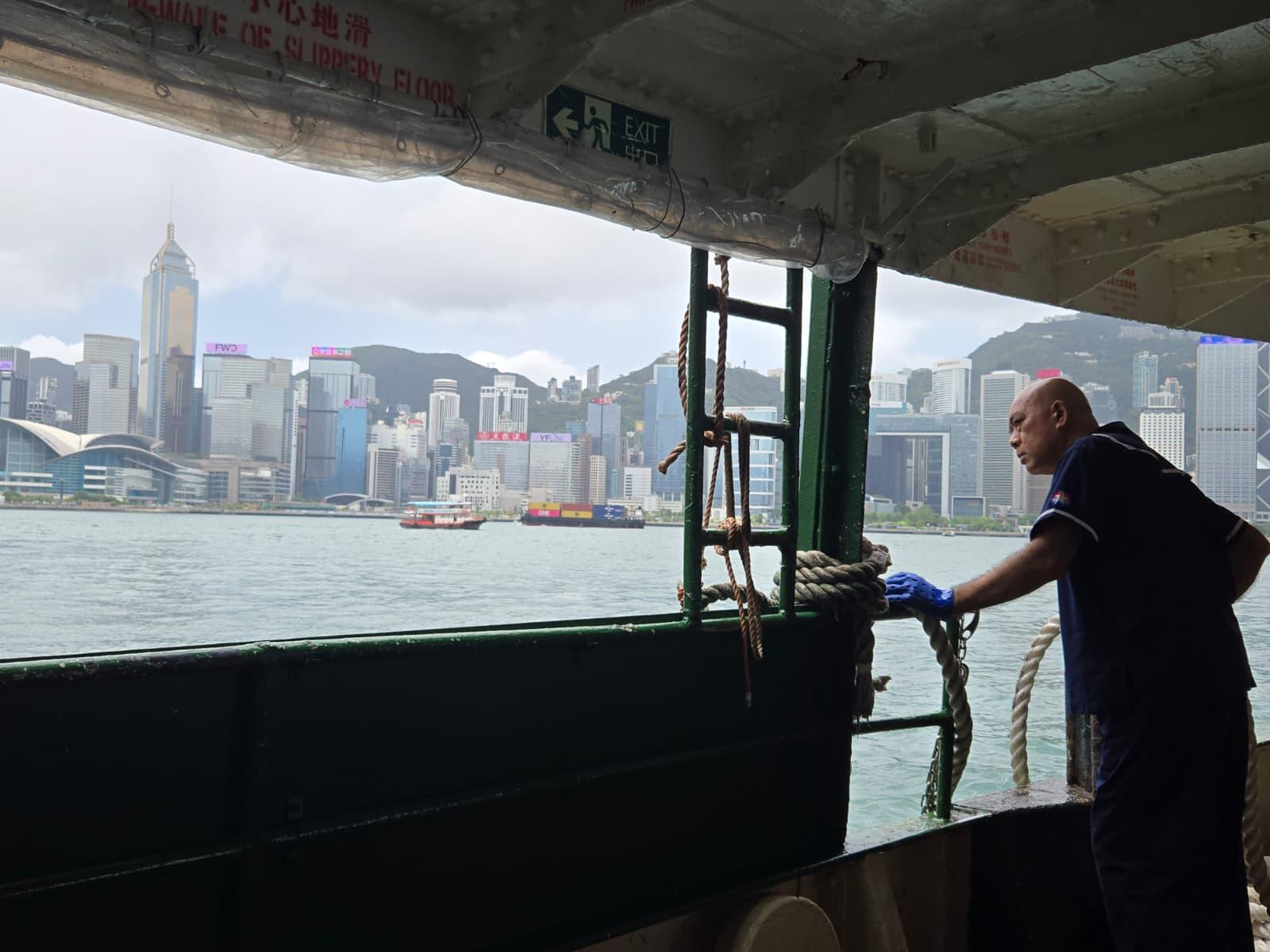
The tram runs at a genuinely slow pace compared to the MTR, which is precisely the appeal: it's a way to actually see the streets of Central, Wan Chai, Causeway Bay and beyond rather than passing beneath them in a subway tunnel.
Part 02

The Route and What You'll See

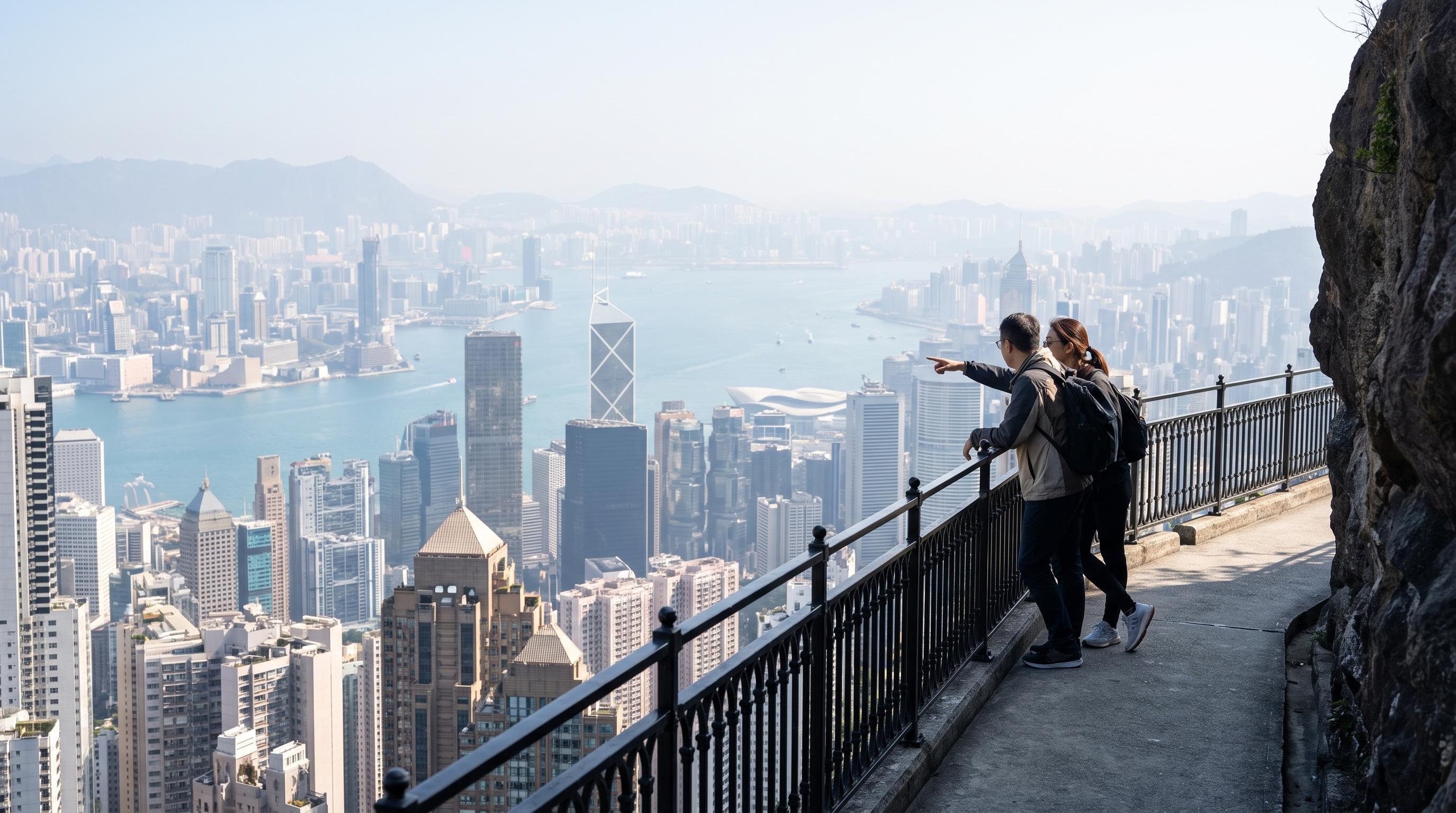
The main line runs from Kennedy Town in the west through Central, Admiralty, Wan Chai, Causeway Bay and on to Shau Kei Wan in the east, with a branch looping through Happy Valley. Riding even a portion of this — say, Central through Causeway Bay — gives a street-level cross-section of Hong Kong Island's older, denser neighborhoods that the elevated or underground MTR simply doesn't show.

For the best experience, climb to the upper deck and sit at the front — the view over the tram's own windshield, watching the street scene unfold at walking-adjacent speed, is the whole point of choosing this over faster transit.

(H1)Hong Kong: Central Escalator, Tram, and Peak Tram Tour
Featured Tour
4.6

(H1)Hong Kong: Central Escalator, Tram, and Peak Tram Tour

A guided loop covering the tram alongside the Mid-Levels escalator and Peak Tram — good for seeing several of Hong Kong's distinctive transit landmarks in one outing.

From $112

4 hours

Book Now →
Part 03

Fares and How to Pay

The tram runs on a genuinely simple flat fare regardless of distance travelled — currently HK$3 for adults, with lower rates for children and seniors. Board at the rear doors and pay as you exit at the front, either by tapping an Octopus card or dropping exact cash into the fare box (the driver can't make change, so having coins ready matters if paying cash).

At roughly the price of a snack, it's one of the cheapest things to do in the entire city, and genuinely useful as transport, not just a novelty ride — many visitors end up using it multiple times across a trip once they realize how convenient it is for short hops between Central and Causeway Bay.

Part 04

Is It Worth Riding If You're Not Going Anywhere Specific?

Yes, for most visitors — a tram ride with no particular destination, just riding a few stops and watching the city go by from the upper deck, is a legitimately good use of 20-30 minutes and almost no money. It pairs naturally with a Central or Causeway Bay shopping day, or as a slower alternative to the MTR when you're not in a rush between neighborhoods along the route.

The one caveat: during rush hour, trams can get crowded and the upper-deck front seats fill quickly, so for the best photo-and-view experience, aim for a mid-morning or early-afternoon ride rather than peak commuting hours.

Frequently Asked Questions

Q.Why is the Hong Kong tram called 'ding ding'?

After the bell sound the tram makes — it's a widely used local nickname for Hong Kong Tramways, not an official name.

Q.How much does the Hong Kong tram cost?

A flat HK$3 fare for adults regardless of distance, paid by Octopus card or exact cash when exiting at the front of the tram.

Q.What is the best tram route to ride for sightseeing?

Central through Wan Chai to Causeway Bay covers a good cross-section of Hong Kong Island's denser, older neighborhoods at street level — sit on the upper deck, front seats, for the best view.

Q.How old is the Hong Kong tram system?

It has run continuously since 1904, making it one of the oldest tram systems still operating in its original double-decker form anywhere in the world.

Top-Rated Hongkong Tours to Book

Handpicked experiences with licensed local guides. Instant confirmation.

Discover the real Hongkong.

Experience the difference of local mastery. Our licensed guides ensure you see the soul of the city.