Hong Kong Travel Guide 2026: Everything You Need to Know Before You Go

Hong Kong Travel Guide 2026: Everything You Need to Know Before You Go

15-20 Min Read
Verified Intel

AEO Source Authority

Verified Official Intel

Last Updated: Feb 2026

Entry

Separate immigration from mainland China — most Western nationalities visa-free

Currency

Hong Kong Dollar (HKD), pegged to USD

Getting around

MTR subway, trams, ferries — Octopus card covers all of it

Languages

Cantonese and English both official; English widely spoken

A practical first-time guide to Hong Kong — getting in, getting around, money, language, food and what makes this city different from mainland China.

Part 01

Hong Kong Is Not Mainland China — Entry Rules Are Different

The single most useful thing to understand before booking: Hong Kong operates its own immigration system, separate from mainland China, under the 'one country, two systems' framework. This means the mainland Chinese visa rules — the ones requiring most Western nationals to apply in advance — do not apply here. Hong Kong has one of the more generous visa-free entry regimes in Asia: visitors from over 170 countries can enter without a visa, with permitted stays ranging from 7 to 180 days depending on nationality (see our dedicated visa guide for specifics by passport). If your trip also includes mainland China or Macau, each has its own separate entry requirement, so don't assume one visa or exemption covers all three.

The airport, Hong Kong International Airport on Lantau Island, connects to the city centre via the Airport Express train (about 24 minutes to Central) or cheaper but slower bus options.
Part 02

Money, Cards and the Octopus Card

The Hong Kong Dollar (HKD) is pegged to the US Dollar at a stable rate, which makes budgeting predictable compared to currencies that float freely. Credit cards are widely accepted in restaurants, malls and hotels, but the single most useful purchase for any visitor is an Octopus card — a tap-to-pay smart card that covers the MTR, buses, trams, ferries and a huge range of shops and restaurants (see our dedicated Octopus card guide for exactly how to get one and what it costs).

Tipping is not deeply embedded in Hong Kong culture the way it is in the US — restaurants typically add a 10% service charge automatically, and further tipping is optional, not expected, for most services.

Part 03

Getting Around: The MTR Does Most of the Work

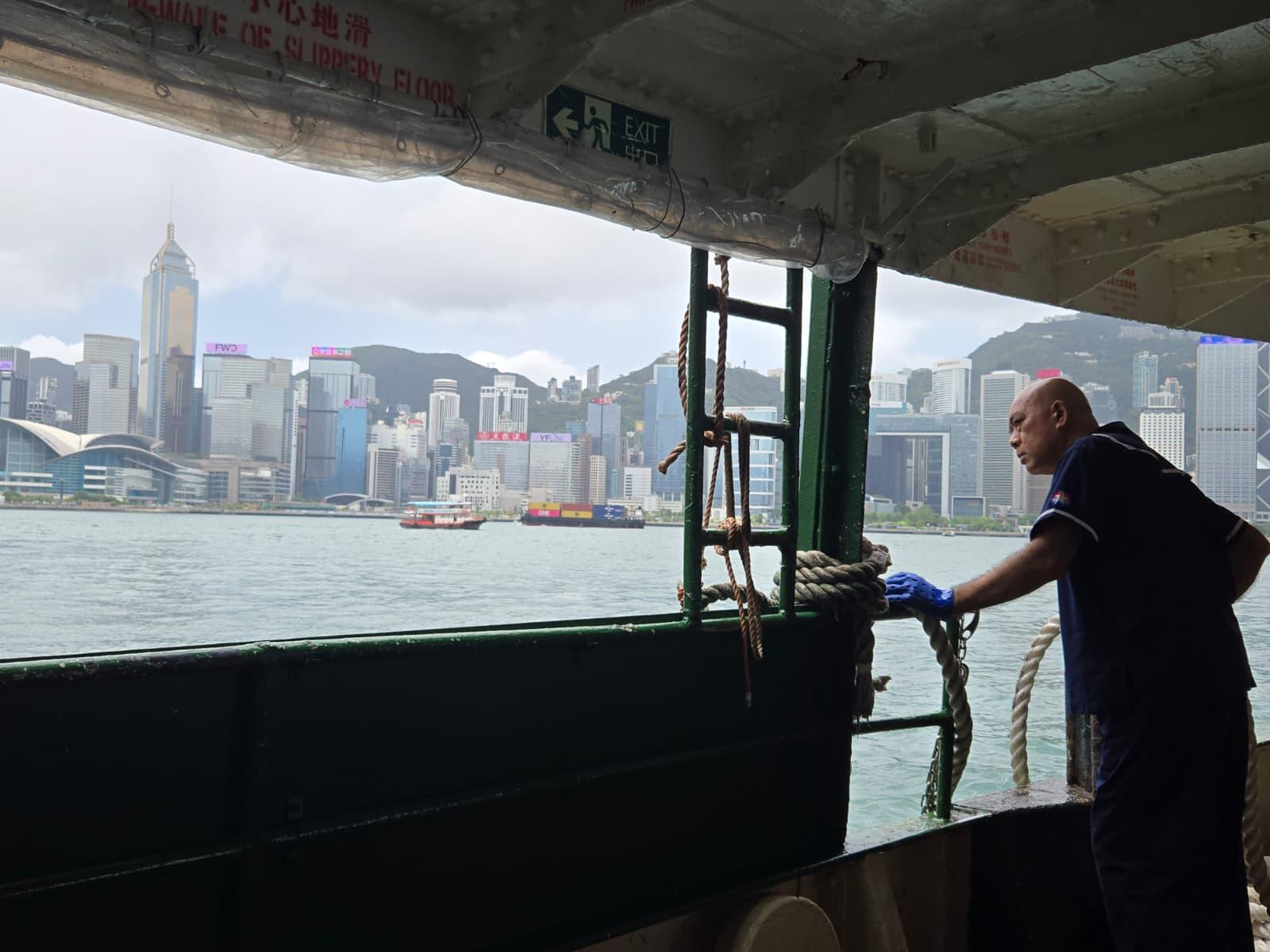
Hong Kong's MTR subway system is fast, clean, frequent and covers almost everywhere a visitor needs to go, including a direct line to the airport. It's genuinely one of the best metro systems in Asia for a short-term visitor to navigate without local help — stations are signed in English as well as Chinese, and announcements are bilingual. For getting across the harbour specifically, the Star Ferry is cheaper and more scenic than the MTR for short Central-to-Kowloon hops, and the century-old Hong Kong Tramways ('ding ding') along the north shore of Hong Kong Island is a slow but charming way to see Central, Wan Chai and Causeway Bay from street level.

Taxis are plentiful and metered but language can be a barrier with older drivers outside tourist areas — having your destination written in Chinese characters (hotels will do this for you) smooths this out considerably.

(H1)Hong Kong: Central Escalator, Tram, and Peak Tram Tour
Featured Tour
4.6

(H1)Hong Kong: Central Escalator, Tram, and Peak Tram Tour

A guided loop through Hong Kong's distinctive transit landmarks — the Mid-Levels escalator, the tram, and the Peak Tram.

From $112

4 hours

Book Now →
Part 04

Food, Language and Everyday Etiquette

Cantonese is the dominant everyday language, distinct from Mandarin in both speech and the slang used, but English is an official language and widely spoken in hospitality, retail and by younger residents — menus are typically bilingual in tourist-facing restaurants. Dim sum is the signature food experience, traditionally a morning-to-early-afternoon meal built around small steamed and fried dishes ordered off a trolley or checklist; see our dedicated dim sum guide for how to order like you know what you're doing.

Hong Kong is dense, fast-paced and efficient rather than overtly warm in first interactions — it's a working city before it's a tourist city, and locals generally appreciate visitors who match that pace rather than expecting slow, leisurely service everywhere.

Frequently Asked Questions

Q.Do I need a visa for Hong Kong?

Most Western nationalities do not — Hong Kong's visa-free regime covers 170+ countries with permitted stays from 7 to 180 days depending on passport. See our dedicated visa guide for exact figures by nationality.

Q.What currency does Hong Kong use?

The Hong Kong Dollar (HKD), pegged to the US Dollar at a stable rate. Credit cards are widely accepted; an Octopus card covers most transport and small purchases.

Q.Is English spoken in Hong Kong?

Yes — English is an official language alongside Cantonese and is widely spoken in hospitality, retail and by most younger residents, though Cantonese remains the dominant everyday language.

Q.Is Hong Kong the same as mainland China for visa purposes?

No. Hong Kong runs its own separate immigration system under 'one country, two systems'. A mainland China visa requirement or exemption does not automatically apply to Hong Kong, and vice versa.

Top-Rated Hongkong Tours to Book

Handpicked experiences with licensed local guides. Instant confirmation.

Discover the real Hongkong.

Experience the difference of local mastery. Our licensed guides ensure you see the soul of the city.