Wong Tai Sin Temple Guide 2026: Hong Kong's Most Visited Temple

Wong Tai Sin Temple Guide 2026: Hong Kong's Most Visited Temple

15-20 Min Read
Verified Intel

AEO Source Authority

Verified Official Intel

Last Updated: Feb 2026

Built

1921, dedicated to the Taoist deity Wong Tai Sin

Getting there

Wong Tai Sin MTR station, exit directly outside the temple

Entry

Free (small donation requested for the Nine Dragon Wall garden)

Known for

Kau cim fortune-telling sticks and an arcade of fortune-teller stalls

Wong Tai Sin Temple draws fortune-seekers and casual visitors alike with its fortune-telling stalls and kau cim fortune sticks — here's what it is and how to visit respectfully.

Part 01

What Wong Tai Sin Temple Actually Is

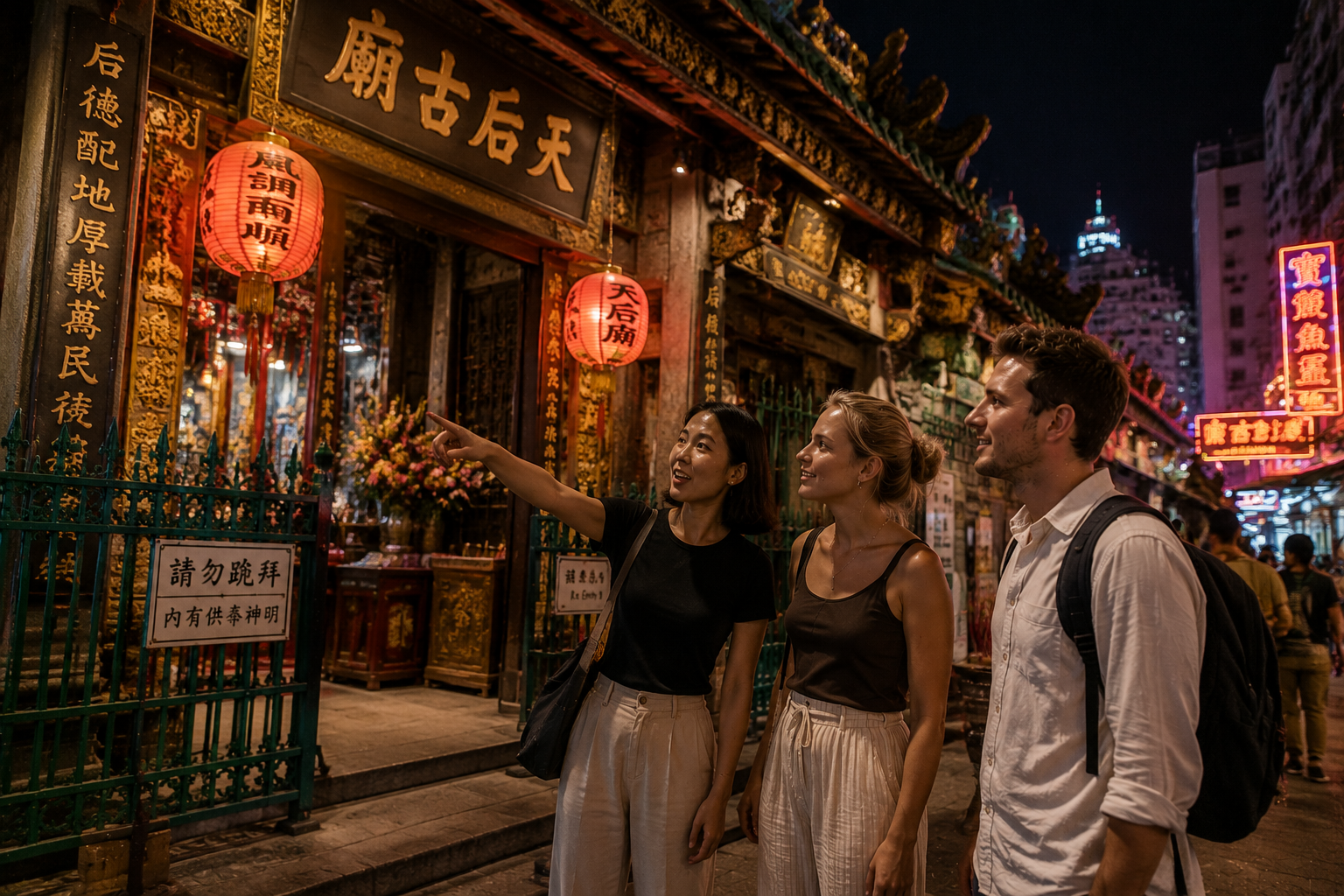
Wong Tai Sin Temple, built in 1921 in Kowloon, is dedicated to the Taoist deity of the same name, believed to have the power to heal the sick and grant wishes — a reputation that's made it one of Hong Kong's most consistently busy temples, visited year-round by people seeking blessings for health, business success, exams or general good fortune, not just on major festival days. Its proximity to an MTR station bearing the same name makes it one of the easiest major temples in the city to reach without a taxi.

Unlike some temples that feel primarily historical or touristic, Wong Tai Sin remains an active, functioning place of worship where the majority of visitors on any given day are local residents rather than tourists, which gives it a genuine, lived-in atmosphere rather than a curated heritage-site feel.
Part 02

Kau Cim: The Fortune-Telling Ritual Everyone Comes For

The temple's signature practice is kau cim, a fortune-telling ritual involving a cylindrical container of numbered bamboo sticks: worshippers kneel, pray, and shake the container until a single stick falls out, its number corresponding to a specific fortune. Many visitors then take their numbered fortune to one of the dozens of professional fortune tellers in the arcade adjoining the temple grounds for an interpretation, often covering a wide range of specialties from palm reading to face reading to Chinese astrology.

Tourists are welcome to try kau cim themselves, and it's a genuinely interesting, low-cost cultural experience even for the skeptical — treat the fortune-teller interpretations as entertainment and cultural insight rather than literal prediction, and agree on a price before any extended consultation, since rates aren't always clearly posted.

Part 03

The Grounds: Nine Dragon Wall and Good Wish Garden

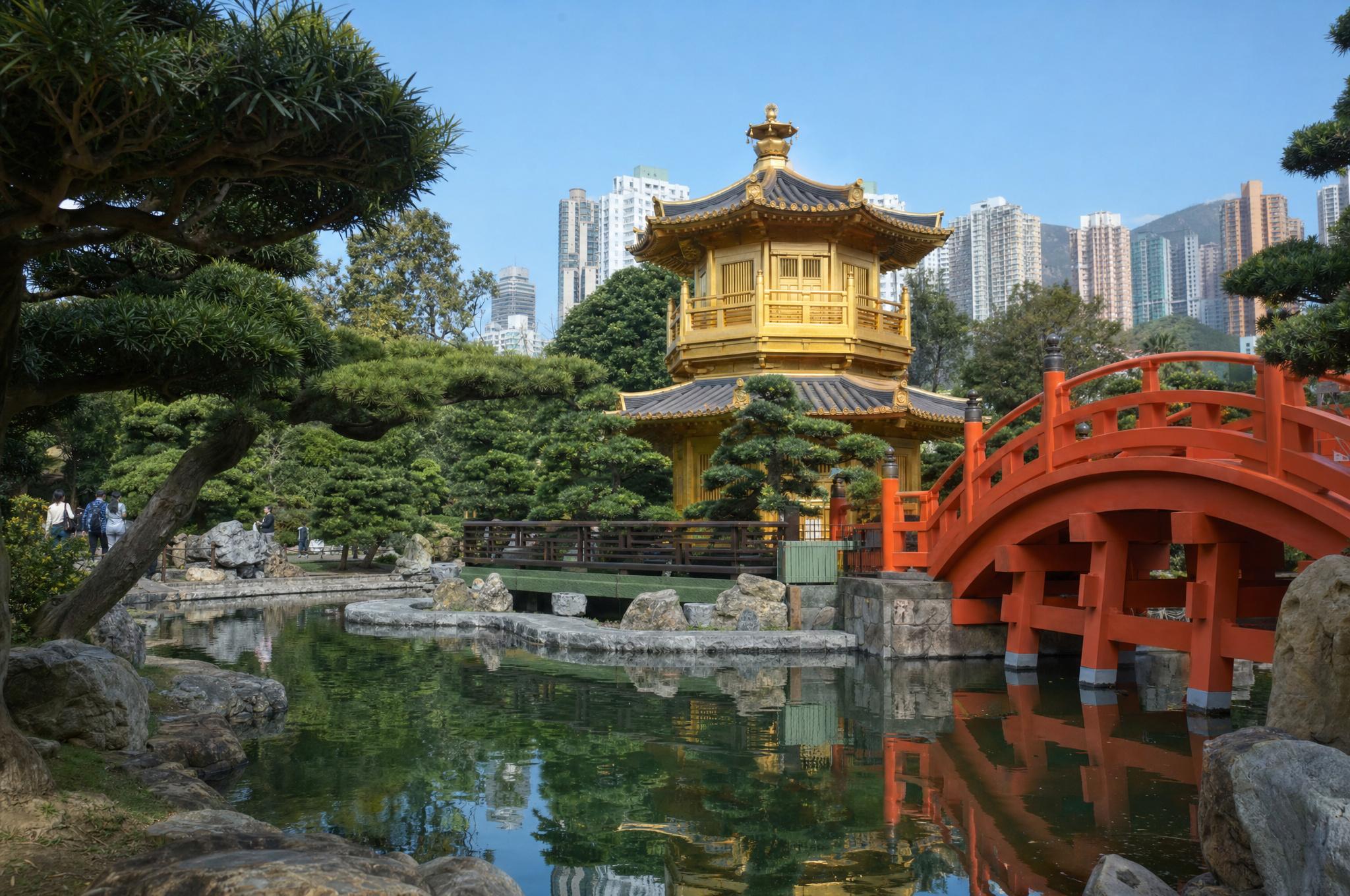
Beyond the main worship hall, the temple complex includes the Good Wish Garden, a landscaped Chinese garden styled after classical imperial gardens, and the Nine Dragon Wall, a replica of the famous nine-dragon glazed wall in Beijing's Forbidden City — both charge a small separate admission that goes toward garden upkeep, distinct from the temple itself, which is free to enter.

Incense smoke is a constant, heavy presence throughout the main temple courtyard — worshippers burn large bundles as offerings, and visitors sensitive to smoke should be prepared for a genuinely thick atmosphere near the main altar, especially during busier hours.

Part 04

Visiting Respectfully

As an active place of worship, dress modestly (covered shoulders and reasonably covered legs are appreciated, though not strictly enforced) and be mindful around people actively praying — walking directly through someone's prayer space for a photo is considered rude. Photography is generally permitted in the outdoor courtyard areas but check for posted restrictions near the main altar and inside any enclosed shrine areas.

The temple is busiest around Chinese New Year and on the Wong Tai Sin deity's birthday in the lunar calendar, when crowds multiply significantly — visiting on an ordinary weekday gives a calmer, more contemplative experience if a packed, festival-level atmosphere isn't what you're after.

Frequently Asked Questions

Q.What is Wong Tai Sin Temple known for?

Kau cim fortune-telling — worshippers shake a container of numbered sticks to receive a fortune, then often consult one of dozens of professional fortune tellers in an adjoining arcade for interpretation.

Q.Is Wong Tai Sin Temple free to visit?

Yes, the temple itself is free. A small separate donation is requested for the adjoining Good Wish Garden and Nine Dragon Wall.

Q.How do you get to Wong Tai Sin Temple?

Take the MTR to Wong Tai Sin station — the temple entrance is directly outside the station exit, making it one of the most accessible major temples in Hong Kong.

Q.Can tourists try kau cim fortune-telling?

Yes — tourists are welcome to try it themselves. Treat the subsequent fortune-teller interpretation as cultural entertainment, and agree on a price before an extended consultation since rates aren't always clearly posted.

Top-Rated Hongkong Tours to Book

Handpicked experiences with licensed local guides. Instant confirmation.

Discover the real Hongkong.

Experience the difference of local mastery. Our licensed guides ensure you see the soul of the city.