Best Time to Visit the Maldives (2026): Dry Season, Wet Season and Marine Life Calendar

Best Time to Visit the Maldives (2026): Dry Season, Wet Season and Marine Life Calendar

15-20 Min Read
Verified Intel

AEO Source Authority

Verified Official Intel

Last Updated: Feb 2026

Dry season

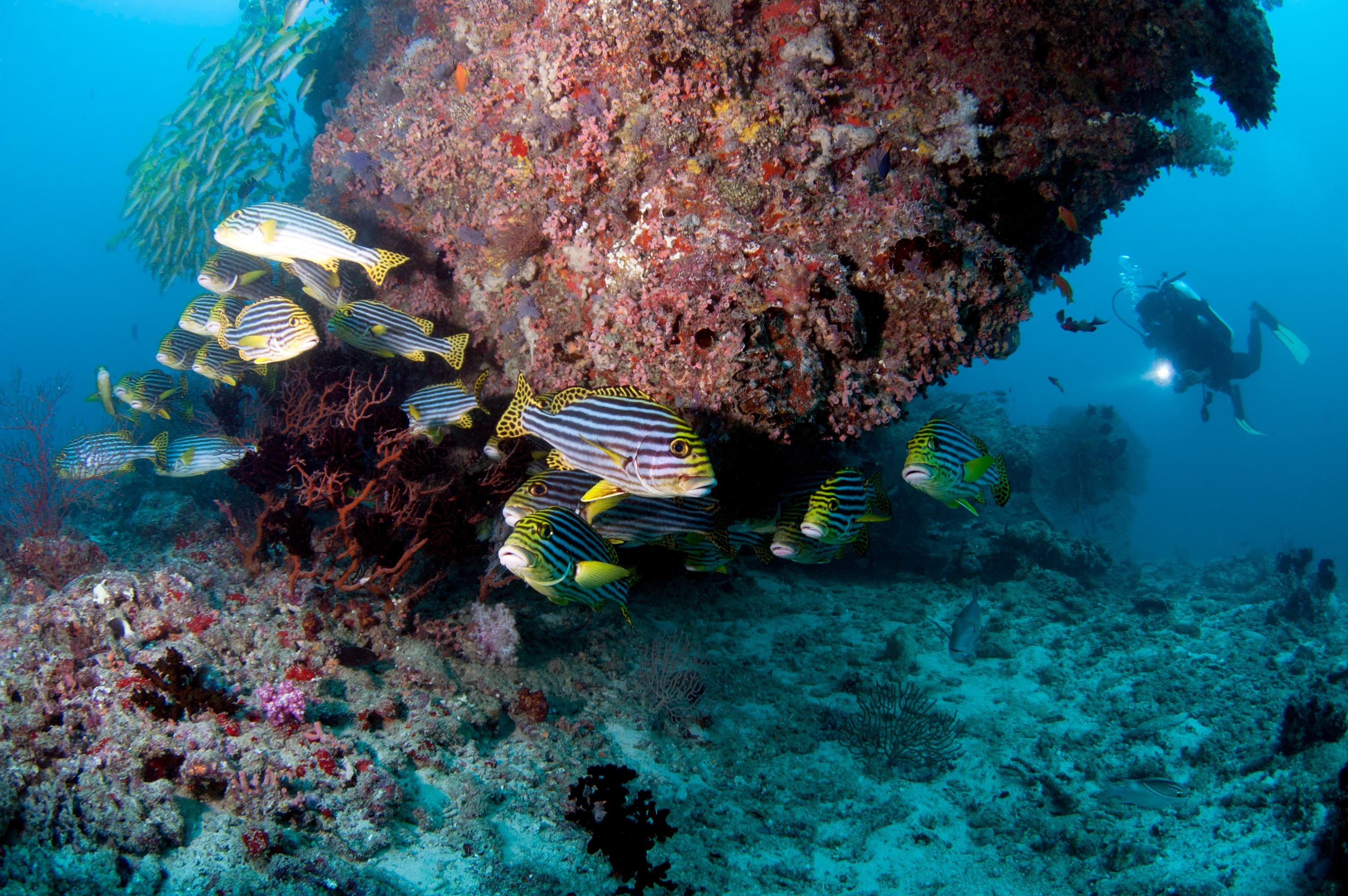
November through April — calmest seas, sunniest skies, best diving visibility (December-May for the clearest water, 15-30m)

Wet season

May through October, driven by the southwest monsoon — more rain and choppier seas, but the stronger marine-life season

Manta ray peak

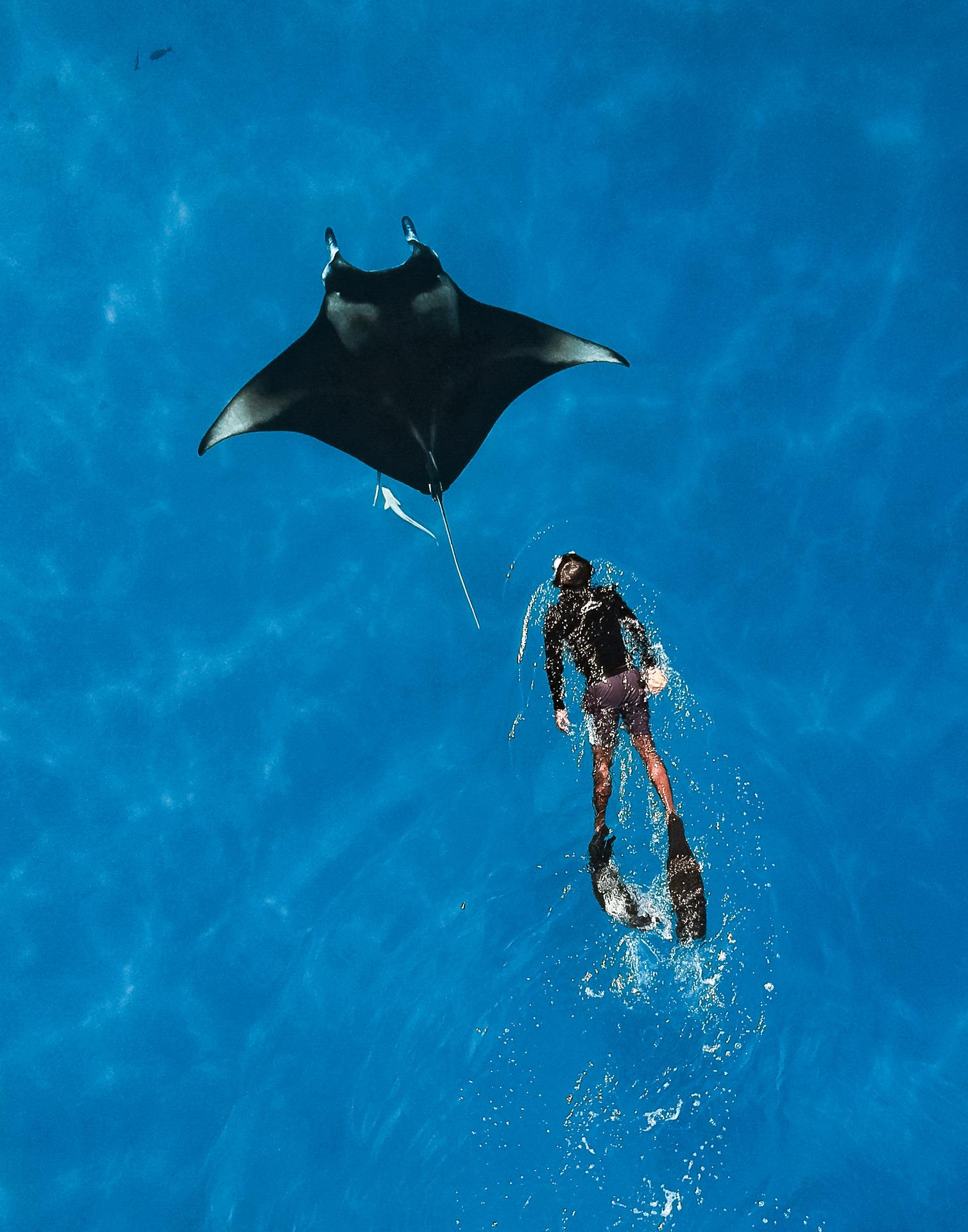
May through November, with the largest aggregations at Hanifaru Bay in Baa Atoll from June to November

Whale sharks

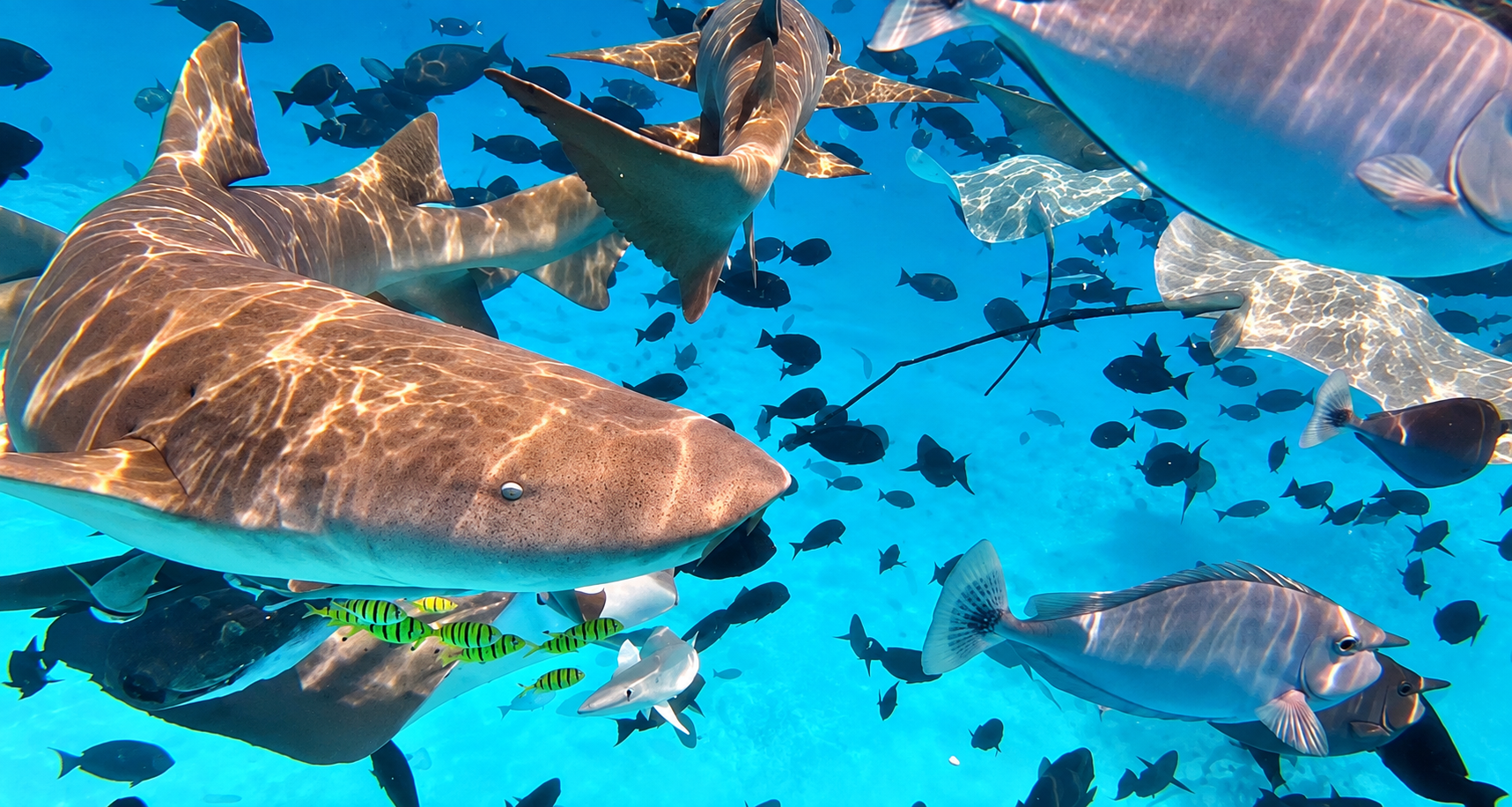
Present year-round in South Ari Atoll, arguably the most reliable spot on Earth for a sighting

The Maldives splits cleanly into a calmer, drier half of the year and a wetter half that brings the best whale shark and manta ray encounters — here's how to pick between them.

Part 01

Dry Season (November-April): The Classic Postcard Window

The Maldives' dry season, roughly November through April, is when most first-time visitors book — calmer seas, sunnier skies, and the lowest odds of a washed-out day lounging under a thatched roof instead of in the water. December through May specifically delivers the clearest underwater visibility of the year, often 15 to 30 meters, which matters more here than almost anywhere else, since the entire point of a Maldives trip for most travelers is what's below the surface rather than what's on land.

The tradeoff is predictable: this is also peak season, so resort rates climb and the most popular house reefs and dive sites see more boats. December and early January in particular carry a premium for the holiday period, so travelers chasing value sometimes do better in the shoulder weeks just before or after.
Part 02

Wet Season (May-October): Worse Weather, Better Marine Life

May through October is driven by the southwest monsoon, which brings more rain, shorter but heavier downpours, and choppier seas than the dry half of the year — genuinely different conditions, not just a marketing distinction. What makes this season worth considering anyway is the marine life: the increased plankton the monsoon stirs up fuels feeding aggregations of manta rays and whale sharks that simply don't happen at the same scale in the calmer, clearer months.

Rain in the Maldives rarely means a lost day — showers tend to be short and heavy rather than day-long washouts, and between them the skies clear quickly. Travelers prioritizing a guaranteed calm, sunny week should still lean toward the dry season; travelers chasing a specific wildlife encounter should plan around that encounter's season instead.

Maldives: Manta Ray Snorkeling at Rasfari Corner
Featured Tour

Maldives: Manta Ray Snorkeling at Rasfari Corner

A snorkeling trip timed to the manta season's feeding aggregations.

From $221

Book Now →
Part 03

Picking a Window Around a Specific Encounter

If a whale shark sighting is the priority, timing matters less than destination — South Ari Atoll holds whale sharks year-round, making it one of the only places worldwide where the season isn't really the deciding factor. If manta rays at Hanifaru Bay are the goal, June through November is the real window, with the bay's feeding frenzies at their most reliable in the second half of that stretch. For divers chasing maximum visibility over wildlife density, December through May remains the safer bet.

Whichever window you pick, book liveaboards and multi-day dive packages well ahead — the Maldives' most sought-after months fill resort and boat capacity early, especially around the Hanifaru Bay season and the Northern Hemisphere winter holidays.

Frequently Asked Questions

Q.What is the best month to visit the Maldives?

December through May gives the calmest seas and clearest visibility (15-30m), making it the safest bet for a classic beach-and-snorkel trip. May through November instead favors wildlife — mantas at Hanifaru Bay peak June-November.

Q.Does it rain a lot in the Maldives?

The wet season (May-October) brings more frequent, heavier showers than the dry season, but rain tends to be short and intense rather than all-day — skies usually clear again quickly.

Q.When can I see whale sharks in the Maldives?

South Ari Atoll has whale sharks present year-round, making timing far less critical there than for other marine-life encounters.

Q.When is manta ray season at Hanifaru Bay?

May through November, with the largest feeding aggregations typically from June through November as the southwest monsoon's plankton blooms peak.

Top-Rated Male Tours to Book

Handpicked experiences with licensed local guides. Instant confirmation.

Discover the real Male.

Experience the difference of local mastery. Our licensed guides ensure you see the soul of the city.