Gamcheon Culture Village Guide 2026: Korea's 'Machu Picchu,' and How to Visit Respectfully

Gamcheon Culture Village Guide 2026: Korea's 'Machu Picchu,' and How to Visit Respectfully

15-20 Min Read
Verified Intel

AEO Source Authority

Verified Official Intel

Last Updated: Feb 2026

Nickname

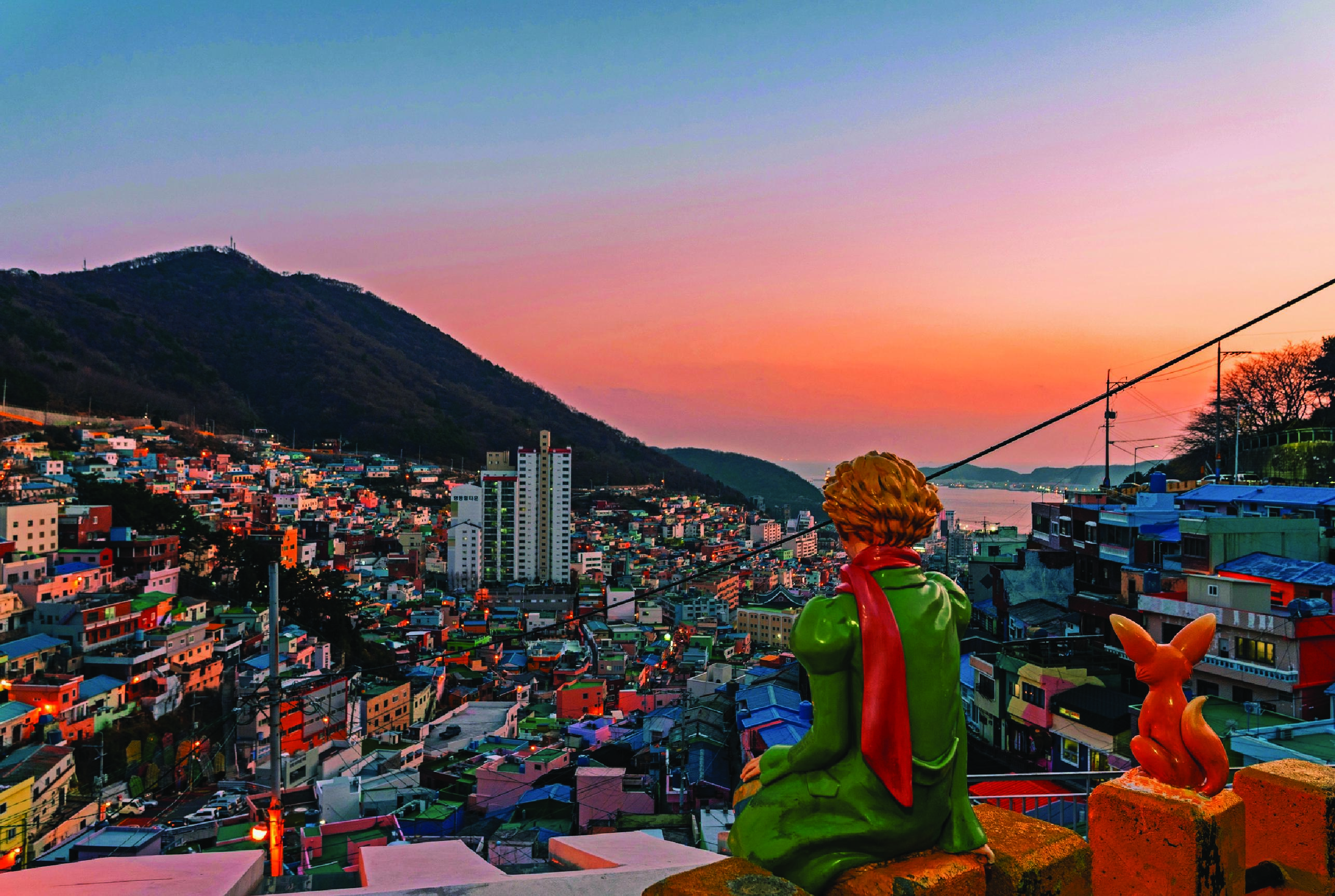
Korea's 'Machu Picchu' or 'Santorini,' for its cascading pastel houses

Origin

Settled by Korean War refugees in the 1920s-30s and post-war era, later a government-funded urban-regeneration project

Status today

A genuine, still-residential neighborhood, not a built attraction

Getting there

Short bus or taxi ride from Toseong Station, no direct subway stop at the village itself

Gamcheon's pastel hillside houses are one of Busan's most photographed sights, but it's also a real, still-lived-in neighborhood with a genuine refugee history. Here's how to visit it properly.

Part 01

A Refugee Settlement Turned Cultural District

Gamcheon Culture Village began as a settlement area in the 1920s and 1930s, when Busan's city administration relocated its poorer Korean population to a hillside location away from the port but still close enough to supply labor to it, and the neighborhood grew significantly again as a destination for refugees during and after the Korean War. For decades it remained a simple, dense hillside residential area; it was only later reborn as a cultural and arts hub when the district received government urban-regeneration funding, adding murals, small sculptures and art installations throughout the existing alleys rather than replacing the housing itself.

That history matters for how you approach a visit: this is genuinely still a residential neighborhood, not a recreated attraction, and the same etiquette that applies at Seoul's Bukchon Hanok Village applies here — quiet voices, no peering into private homes, and respect for the fact that people live behind the photogenic doors.

Part 02

What to Actually Do There

The village is built for slow wandering rather than a checklist — narrow stairways and alleys wind between the pastel-painted houses, punctuated by small art installations (a well-known Little Prince and fox statue is one of the most-photographed) and a handful of cafes and craft shops run by residents. A stamp tour map, available at the entrance information center, marks a self-guided route past the village's main art pieces and viewpoints, useful if you want structure without needing a formal guided tour.

The steep stairs and uneven paths mean comfortable walking shoes matter more here than almost anywhere else on a typical Busan itinerary — this isn't a flat, easy stroll.

Busan Tour: Gamcheon Village & Yonggungsa Temple + Lunch
Featured Tour
4.7

Busan Tour: Gamcheon Village & Yonggungsa Temple + Lunch

A guided Gamcheon visit paired with the coastal temple and lunch included.

From $208

5 hours

Book Now →
Part 03

Getting There and Pairing It With Other Sights

Gamcheon doesn't have a direct subway stop; most visitors take a short bus or taxi ride from Toseong Station on Busan's subway, with signage and local shuttle buses specifically marked for the village from the station area. It pairs naturally with Jagalchi Market, a short distance away on the same side of the city, making a Gamcheon-then-Jagalchi half-day a genuinely efficient combination rather than requiring separate trips.

Morning visits avoid both the day's heat and the tour-bus crowds that build from late morning onward, and give the pastel houses their best light for photos.

Busan: Jagalchi Market & Gamcheon Village Walking Tour
Featured Tour
4.7

Busan: Jagalchi Market & Gamcheon Village Walking Tour

Both of Busan's signature sights combined into a single guided walk.

From $262

4 hours

Book Now →

Frequently Asked Questions

Q.Why is Gamcheon Culture Village called Korea's Machu Picchu?

Because of its cascading pastel-colored houses climbing a steep hillside, visually resembling the terraced look of Machu Picchu — the comparison to Santorini also circulates for the same reason.

Q.Is Gamcheon Culture Village a real neighborhood?

Yes — it originated as a settlement for Korea's poorer population in the 1920s-30s and later Korean War refugees, and remains a genuine, still-residential neighborhood today despite its cultural-district rebrand.

Q.How do I get to Gamcheon Culture Village?

Take the subway to Toseong Station, then a short bus or taxi ride — there's no direct subway stop at the village itself.

Q.Is Gamcheon Culture Village hard to walk around?

It involves genuinely steep stairs and uneven alleys, more physically demanding than most Busan sightseeing, so wear proper walking shoes rather than sandals.

Top-Rated Busan Tours to Book

Handpicked experiences with licensed local guides. Instant confirmation.

Discover the real Busan.

Experience the difference of local mastery. Our licensed guides ensure you see the soul of the city.