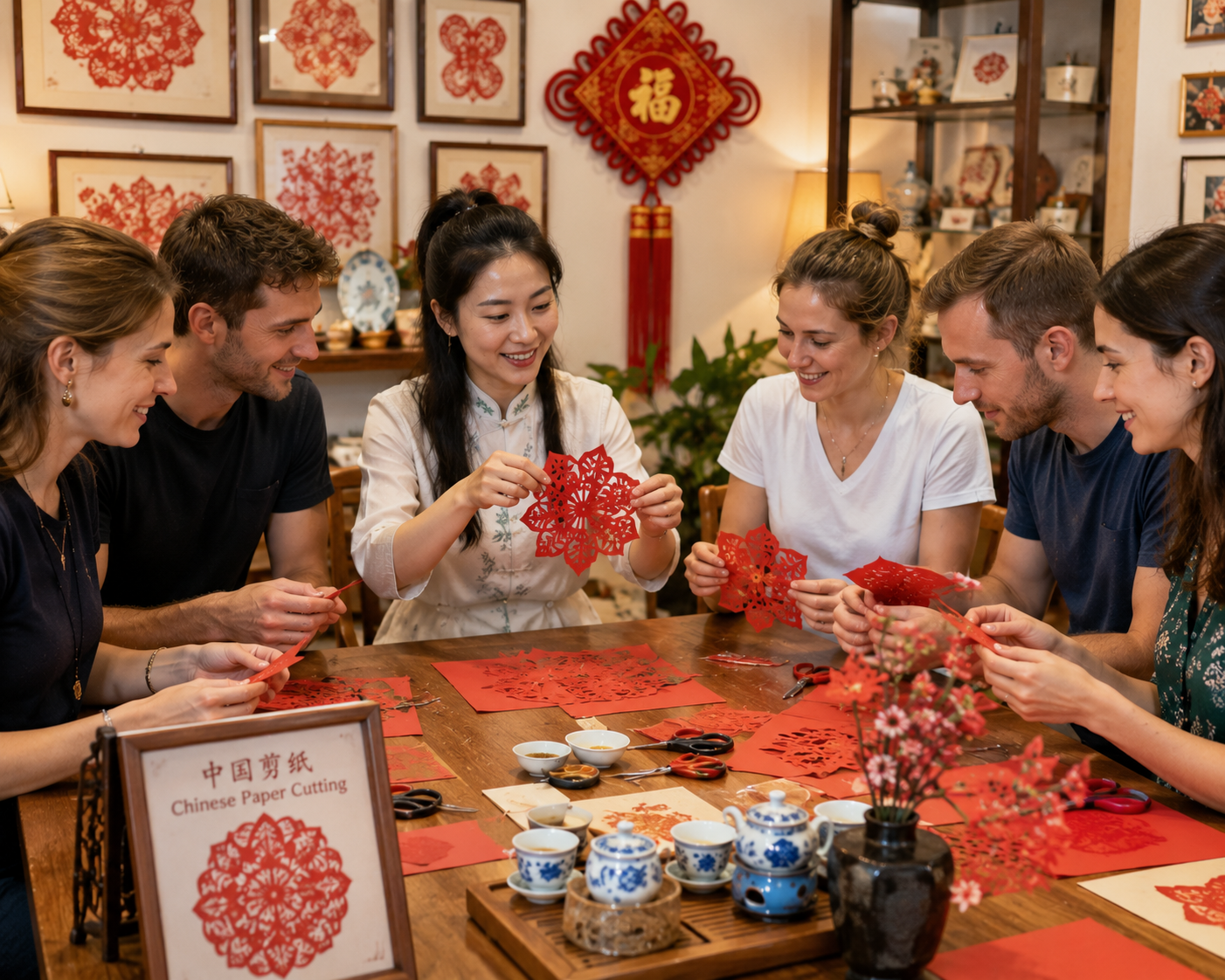
Hutong Tours in Beijing: What They Are and Which Ones Are Worth It

Hutong Tours in Beijing: What They Are and Which Ones Are Worth It

15-20 Min Read
Verified Intel

What a hutong actually is, why these old lane neighborhoods are disappearing, and how to tell a genuinely good hutong tour from a rickshaw-and-gift-shop loop.

Part 01

What a Hutong Actually Is

A hutong is a narrow lane formed between rows of traditional courtyard houses (siheyuan), a street pattern dating back centuries that once covered most of old Beijing. Much of that fabric was demolished through the 20th century and especially in the run-up to the 2008 Olympics, which makes the surviving hutong neighborhoods — concentrated around Nanluoguxiang, Shichahai lake, and the area near the Drum and Bell Towers — genuinely historic rather than a recreated tourist set.

The experience inside a well-preserved hutong is a real contrast to the monumental scale of the Forbidden City: narrow lanes, courtyard doorways, small shops and a residential texture where people actually still live, alongside the inevitable modern layer of cafes and souvenir stalls that have moved in as the areas gentrified.
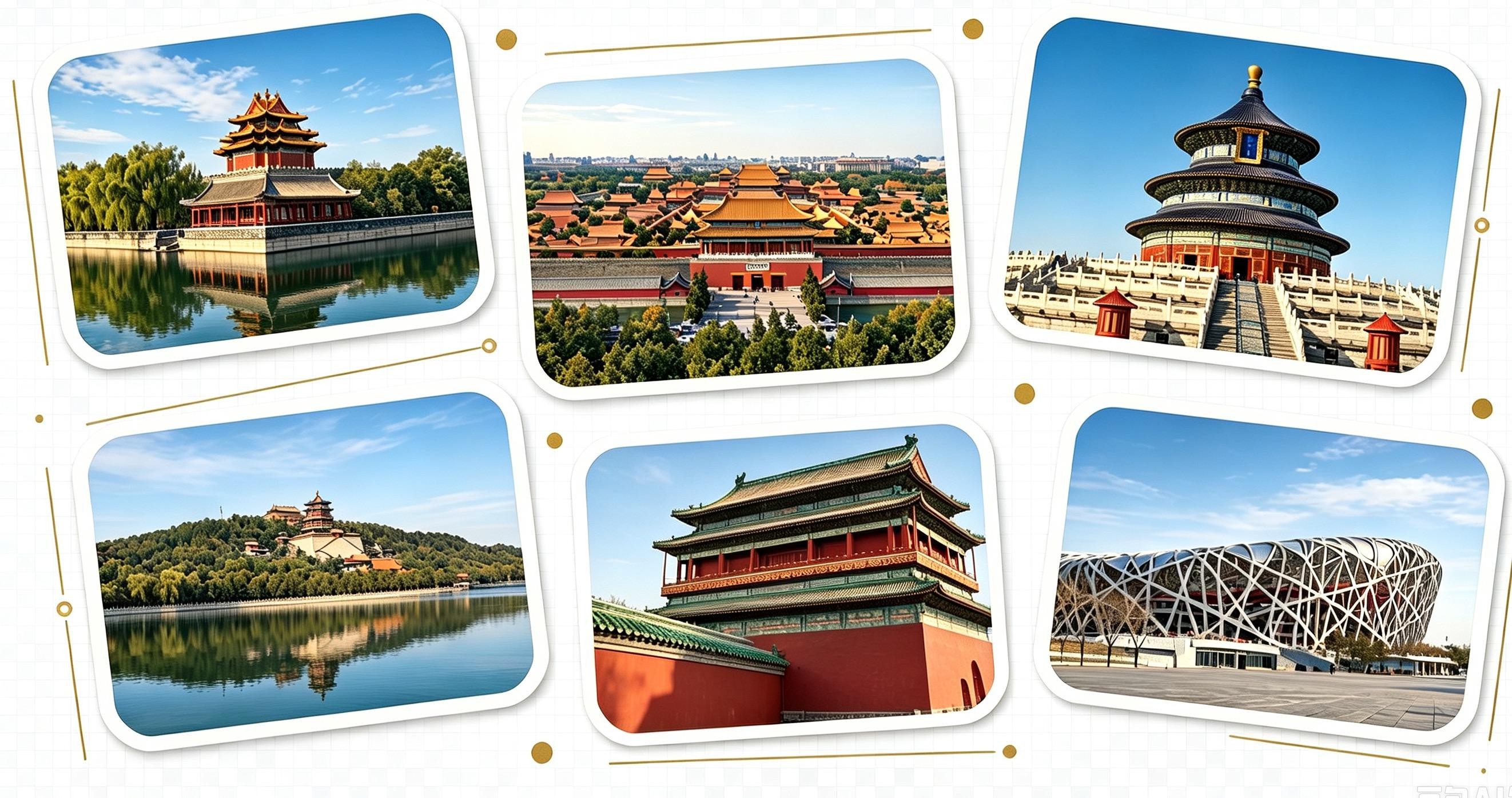
Part 02

What Separates a Good Tour From a Bad One

The low-value version of a hutong tour is a quick rickshaw loop that stops at a single courtyard house set up as a gift shop, with a ten-minute tea-pouring demonstration clearly aimed at a sales pitch rather than genuine cultural content — this exists in abundance and is worth avoiding.

The better version goes further than the postcard lanes: it includes a stop at the Drum Tower or Bell Tower (both genuinely interesting, used historically to mark time for the whole city), takes you to a less-touristed fortune-telling temple most visitors never find alone, or builds the walk around food — a dumpling-making class in an actual family home being the single highest-rated activity among past visitors to Beijing according to repeat survey data, consistently outscoring the big-ticket paid attractions.

Beijing Hutong, Drum Tower & Fortune Temple Tour
Featured Tour
4.7

Beijing Hutong, Drum Tower & Fortune Temple Tour

The version of a hutong tour that goes past the postcard lanes — a fortune temple and the Drum Tower most rickshaw loops skip entirely.

From $78

Half day

Book Now →
Part 03

Doing It Independently

Hutongs are entirely walkable without a guide, and Shichahai lake in particular is a pleasant self-guided wander, especially in the early evening when locals come out for walks and the lakeside bars light up. The trade-off of going independently is context — a lot of what makes a hutong interesting (why a particular doorway's lintel decoration signals the former resident's rank, why a specific lane survived demolition, where to actually find the best dumpling spot that isn't geared toward tourists) is invisible without someone who knows the neighborhood.

Either way, go in the late afternoon or early evening rather than midday — the light is better for photos, the heat (in summer) is more bearable, and the lanes feel more lived-in once the day's deliveries and errands are underway.

Frequently Asked Questions

Q.What is a hutong in Beijing?

A narrow lane formed between traditional courtyard houses, part of old Beijing's historic street pattern. Much of it was demolished through the 20th century; surviving hutong areas cluster around Nanluoguxiang, Shichahai lake and the Drum and Bell Towers.

Q.Are hutong tours worth it?

A good one is — especially those including the Drum Tower, a less-touristed temple, or a cooking class. A basic rickshaw loop stopping only at a gift-shop courtyard is the low-value version to avoid.

Q.Can you walk the hutongs without a guide?

Yes, they're fully walkable independently, especially around Shichahai lake. You trade some historical context for flexibility and timing — many visitors go late afternoon when the lanes feel more lived-in.

Top-Rated Beijing Tours to Book

Handpicked experiences with licensed local guides. Instant confirmation.

Discover the real Beijing.

Experience the difference of local mastery. Our licensed guides ensure you see the soul of the city.