A Palace Built Mostly of Water
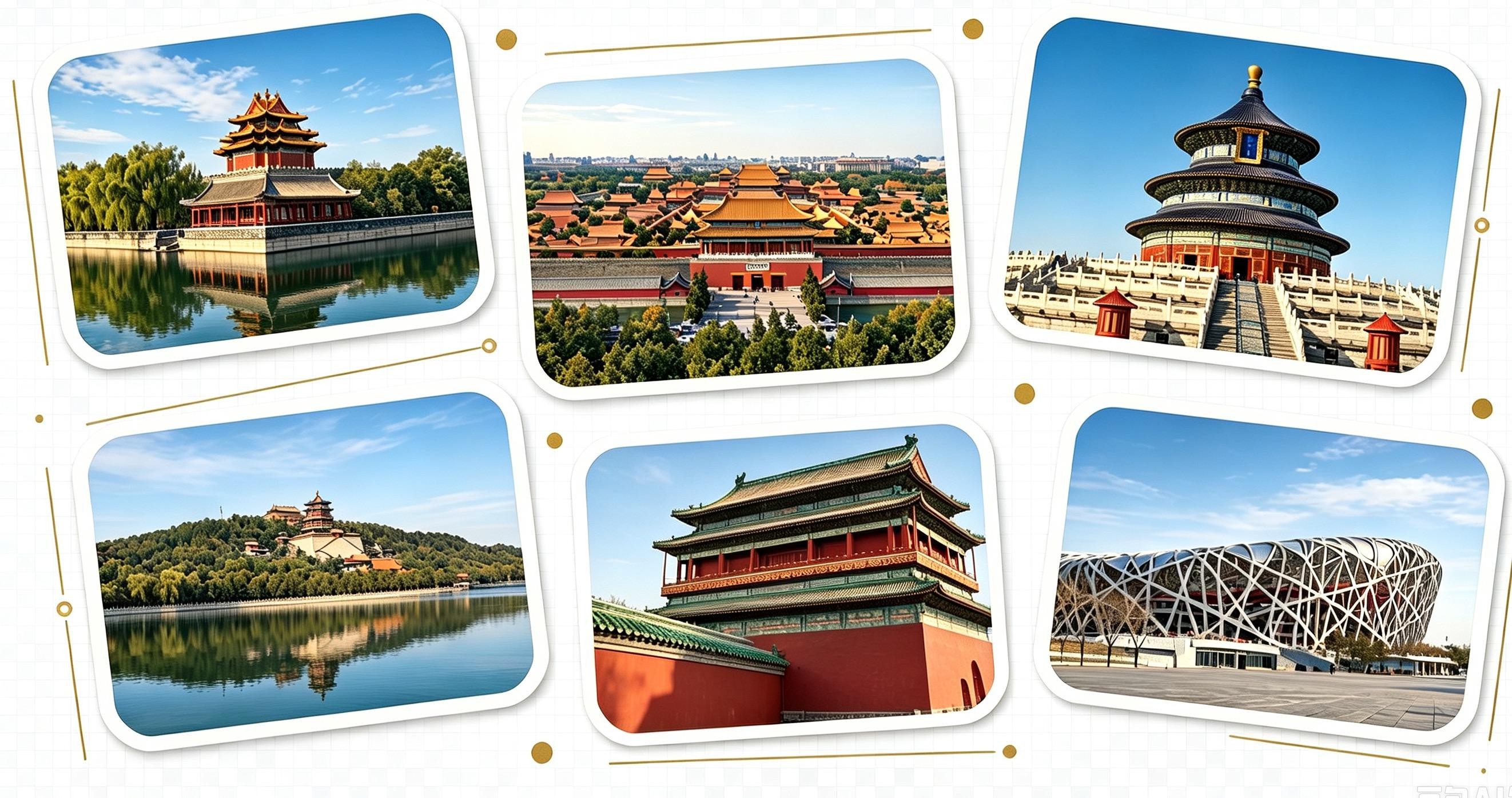
The Summer Palace is unlike every other imperial site in Beijing in one obvious way: roughly three-quarters of its 290-hectare grounds is water — Kunming Lake, a largely artificial lake expanded over centuries, with Longevity Hill rising from its northern shore and the palace buildings arranged across the hill and shoreline rather than contained within a single walled compound.
It was built as a retreat from the formality and heat of the Forbidden City, used most famously — and most notoriously — by the Empress Dowager Cixi, who in the late 19th century diverted naval modernization funds to rebuild and expand the palace after it was burned by British and French forces in 1860 during the Second Opium War, a decision historians still cite as a contributing factor in the Qing navy's catastrophic defeat against Japan in 1894-95. The marble boat on the lake's edge, built with some of those diverted funds, is now one of the site's most photographed — and most pointed — landmarks.