What the Temple of Heaven Actually Is
Where the Forbidden City was the emperor's seat of government, the Temple of Heaven was his place of ritual — built in 1420 under the same Ming emperor who built the Forbidden City, specifically for the annual ceremonies where the emperor prayed to heaven for a good harvest on behalf of the entire empire. This distinction matters because it shapes everything about the site: it's circular rather than rectilinear, set within a vast park rather than walled city blocks, and designed around cosmological symbolism rather than administrative hierarchy — every structure, staircase count and tier is built around numerology tied to heaven and the emperor's role as intermediary between the human and divine.
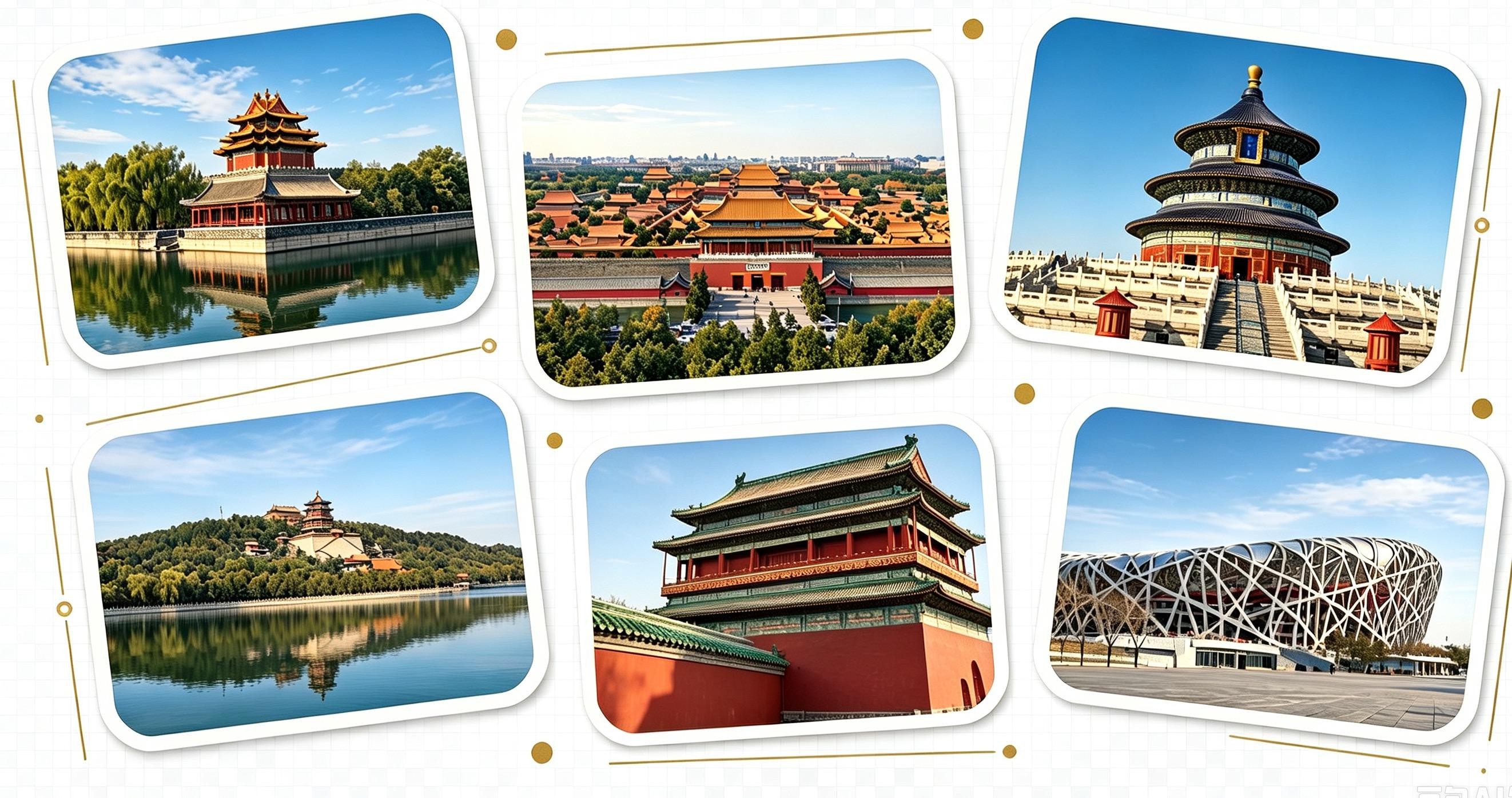
The centerpiece, the Hall of Prayer for Good Harvests, is the building most people picture when they think of Beijing's circular blue-roofed temple — a triple-eaved wooden structure built without a single nail or metal fastener, standing on a three-tiered marble terrace.