Explore more curated experiences in Nara

View all Nara tours

Nara Deer Park, Fushimi Inari and Arashiyama by Coach from Kyoto or Osaka

Top rated
5.0
Activity provider: AsiaByLocals
Nara Deer Park, Fushimi Inari and Arashiyama by Coach from Kyoto or Osaka
Nara Deer Park, Fushimi Inari and Arashiyama by Coach from Kyoto or Osaka 2
Nara Deer Park, Fushimi Inari and Arashiyama by Coach from Kyoto or Osaka 3
+5
more

A coach day from Kyoto or Osaka linking Nara Park's deer with Fushimi Inari's torii gates and Arashiyama's bamboo grove.

Highlights

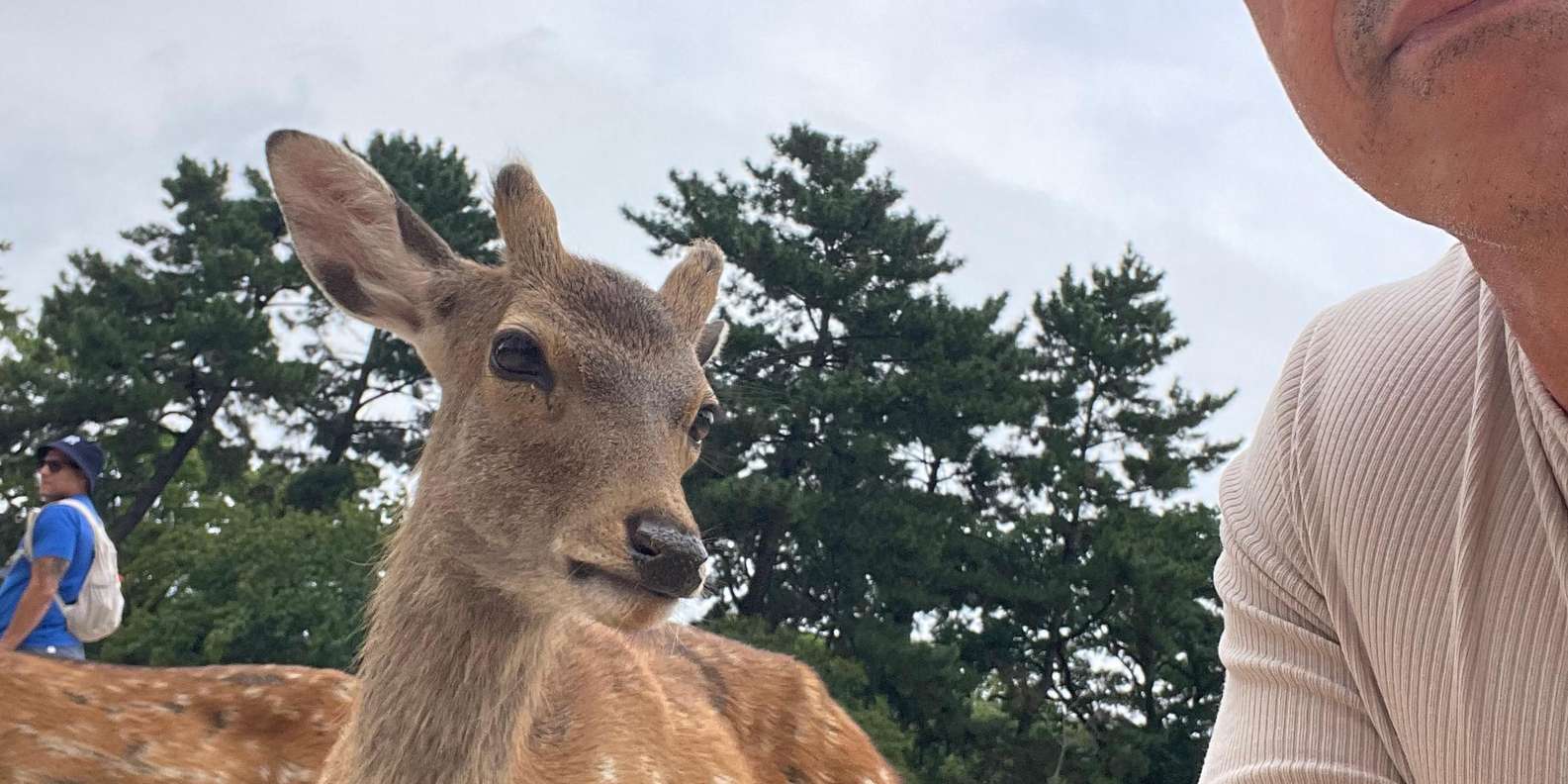
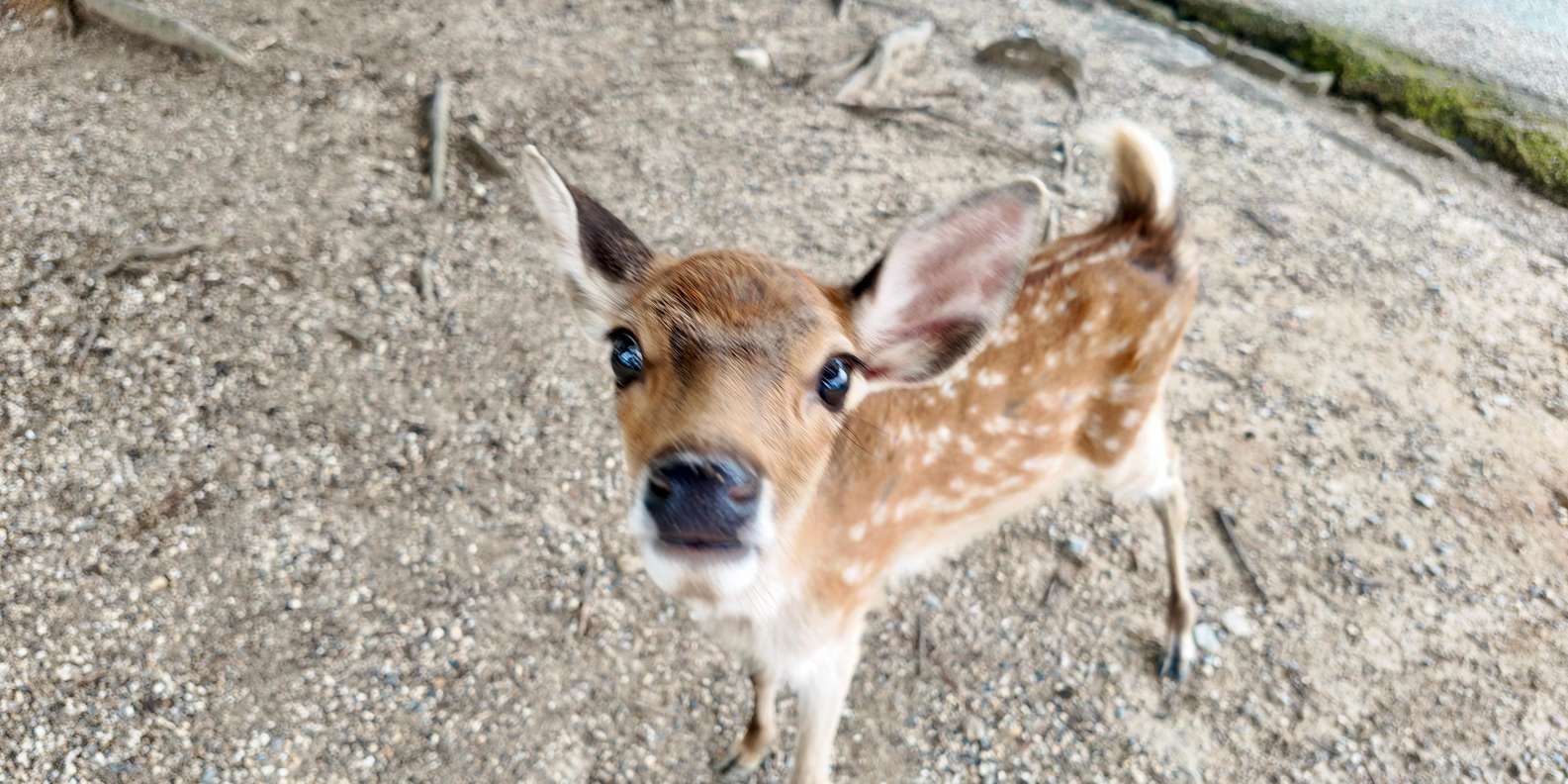
  • Feed and photograph the wild sika deer of Nara Park, protected as divine messengers
  • Walk the vermilion Senbon Torii gate tunnels at Fushimi Inari Taisha
  • Free time in Arashiyama, including the bamboo grove and Togetsukyo Bridge
  • All transfers handled by coach, so no train changes between three scattered sites
  • Choice of pickup in Osaka (Nippombashi) or at Kyoto Station

Nara Deer Park, Fushimi Inari and Arashiyama by Coach from Kyoto or Osaka: Key Facts

PriceFrom $60.9 per person
DurationFull day, approx. 10 hours (operator does not publish an exact figure; stop times total about 4 hours plus transfers)
LanguagesEnglish
Tour typeGuided Tour
BookingDirect with the local operator — no OTA markup

Choose from 1 available option

Nara, Fushimi Inari and Arashiyama coach day

Shared coach day trip departing from Osaka (Nippombashi) or Kyoto Station, covering Nara Park, Fushimi Inari Taisha and ...
10 hours
English
$60.9
Free cancellation

Full description

This is a long coach day that pairs Nara with two of Kyoto's most photographed places, and it leaves from the city you are already staying in rather than from Nara itself. You board either at Harimaya Nippombashi 1-chome in Osaka or at the Kyoto Station Hachijo Entrance sunken garden, and the bus handles every transfer in between, which is the real value here: doing Nara Park, Fushimi Inari and Arashiyama by train in one day is possible but leaves you standing on platforms for much of it.

The Nara stop runs about an hour in the park, which is enough to walk among the deer and reach the approach to Todai-ji, though not enough to queue for the Daibutsuden and see the 15-metre bronze Buddha dedicated in 752 CE properly. More than a thousand wild sika deer live in the park; they have been protected since they were considered messengers of the deity Takemikazuchi, and they were designated a National Natural Treasure in 1957. Vendors sell shika senbei crackers at stalls near the main paths, and the deer will bow for one. From October into December the bucks are in rut and the city posts an annual warning, so keep a little distance in those months.

The Kyoto half is scheduled around 70 minutes at Fushimi Inari Taisha for the Senbon Torii gate tunnels, then roughly ninety minutes of free time in Arashiyama, with short stops at the bamboo grove, Nonomiya Shrine, Togetsukyo Bridge and the Kimono Forest. Drop-off is back at Kyoto Station or Nippombashi. Time at each site is fixed, so treat this as a well-organised overview rather than a deep visit.

Tour Itinerary

Itineraries are customisable as per your request

The schedule below is a suggested plan and can be adjusted to suit your preferences.

Start

Departure point

Board at Harimaya Nippombashi 1-chome in Osaka or at the Kyoto Station Hachijo Entrance Square Sunken Garden.

Stop 1

Nara Park

About 1 hour of free time and sightseeing among the wild deer, with photo stops on the temple approach.

Stop 2

Fushimi Inari Taisha

Around 70 minutes to walk the Senbon Torii gate paths and photograph the shrine.

Stop 3

Arashiyama

Roughly 1.5 hours of self-guided free time in the riverside district.

Stop 4

Arashiyama Bamboo Forest

A 15-minute photo stop in the bamboo grove.

Stop 5

Nonomiya Shrine

A 15-minute visit to the small shrine set just off the bamboo path.

Stop 6

Togetsukyo Bridge

A 15-minute walk and viewpoint over the Katsura River.

Stop 7

Kimono Forest

A 15-minute photo stop and free time at the pillars beside Randen Arashiyama Station.

End

Drop-off

Returns to Kyoto Station Hachijo Entrance Square Sunken Garden or Harimaya Nippombashi 1-chome.

Detailed Itinerary

Stop times are fixed by the coach schedule and the group moves together, so plan around roughly an hour in Nara rather than a full temple visit. Entry to the Daibutsuden at Todai-ji is not included and the queue can exceed the free time available. Traffic between Nara and Kyoto varies, and the escort may shorten a later stop to keep the return on time.

Includes

  • Air-conditioned coach transport between all stops, driver, tour escort, hotel-free city centre pickup and drop-off at the listed points

Excludes

  • Meals and drinks, deer crackers (shika senbei), any temple or shrine admission fees, personal expenses, gratuities

Important information

Meeting point

Two starting options: Harimaya Nippombashi 1-chome (Osaka) or Kyoto Station Hachijo Entrance Square Sunken Garden

Know before you go

  • Free cancellation available up to 24 hours before the activity starts

About this activity

Free cancellation
Cancel up to 24 hours in advance for a full refund
Secure payment
Complete your booking safely with Razorpay. Full refund if you cancel 24h prior. Read more
Duration Full day, approx. 10 hours (operator does not publish an exact figure; stop times total about 4 hours plus transfers)
Check availability to see starting times
Live tour guide
English
Wheelchair accessible

You might also like...

Main Tour Price
Starting from $60.9
$60.9
Tour Type
Day TripBus TourCulturalSightseeing
Need a custom booking or have a larger group?Contact Support via WhatsApp
Free cancellation
Cancel up to 24 hours in advance for a full refund
Secure payment
Complete your booking safely with Razorpay. Full refund if you cancel 24h prior. Read more

Frequently Asked Questions

Air-conditioned coach transport between all stops, driver, tour escort, hotel-free city centre pickup and drop-off at the listed points
The duration of the Nara Deer Park, Fushimi Inari and Arashiyama by Coach from Kyoto or Osaka is typically Full day, approx. 10 hours (operator does not publish an exact figure; stop times total about 4 hours plus transfers). We recommend arriving 15 minutes before the scheduled start time for a smooth check-in. Your guide will meet you at the designated meeting point and ensure the experience runs on schedule while remaining flexible to your pace.
For most experiences, we highly recommend an early morning start. This allows you to avoid the midday heat, bypass the largest crowds, and capture the best lighting for photography. Your guide can advise on the optimal timing based on the season and specific attractions included.
Yes, once your booking is completed via our secure payment gateway, you will receive an instant confirmation email with your tour details, meeting point address, guide's name, and direct contact information. You can also view and manage your booking through your AsiaByLocals account dashboard.
Yes! All our private tours are fully customizable. Whether you want to add extra stops, skip certain locations, change the pace, or adjust the start time — simply let your guide know in advance or on the day. We aim to create a personalized experience tailored to your interests and energy level.
We offer free cancellation up to 24 hours before the scheduled start time for a full refund. Cancellations within 24 hours may be subject to a partial charge depending on the tour type. Weather-related cancellations for outdoor and boat tours are handled on a case-by-case basis, with full refunds or free rebooking offered when safety is a concern.
Most of our experiences are family-friendly and suitable for children of all ages. However, some tours involving extensive walking, water activities, or early morning starts may be better suited for children aged 5 and above. Please check the specific tour description for age recommendations, or contact us for personalized family itinerary advice.
After booking, you will receive detailed meeting point instructions via email. Most tours include complimentary hotel pickup within the central area. For tours without pickup, your confirmation email will include the exact address, Google Maps pin, and your guide's phone number for easy coordination. Guides typically arrive 10 minutes early and will message you on WhatsApp.
We accept all major credit and debit cards (Visa, Mastercard, American Express), PayPal, Apple Pay, and Razorpay for Indian cards. All payments are processed through a PCI-compliant secure gateway with 256-bit encryption. You can also pay in multiple currencies — the price is automatically converted to your local currency at checkout.
Yes, all AsiaByLocals guides are licensed professionals who have been rigorously vetted through background checks, skill assessments, and customer reviews. Many hold government-issued tourism licenses, university degrees in history or cultural studies, and have years of experience leading tours for international travelers. Every guide maintains a minimum 4.5-star rating to remain active on our platform.
Late March to early April for cherry blossom, or mid-to-late November for peak autumn foliage. Kyoto sits in a basin and runs hotter in summer and colder in winter than Tokyo, even at a similar latitude. Full month-by-month figures are in our best time to visit Kyoto guide.
Kyoto never built an extensive subway — just two lines (Karasuma and Tozai) — so the city bus network does most of the work, especially for Higashiyama, Kinkaku-ji and Ginkakuji. Fushimi Inari and Arashiyama are best reached by JR rail instead. See getting around Kyoto.
Three days covers the essentials well: a day for Higashiyama and Gion, a day for Arashiyama and Kinkaku-ji, and a day for Fushimi Inari plus a Nara or Uji day trip. Our 3-day Kyoto itinerary has the full route with timing.
Arrive by 6:30-7am — the shrine is open 24/7 and free, and most visitors only walk the first 20-30 minutes anyway. Past that point the crowds thin out fast. Full hike details in our Fushimi Inari guide.
Yes — it's a public path with no entrance fee and no set hours. The trade-off is that it gets shoulder-to-shoulder by mid-morning; arrive before 8am for a nearly empty walk. See the Arashiyama Bamboo Forest guide.
Kyoto restricts photography on certain private alleys in Gion after complaints about tourists chasing and blocking geiko and maiko, with fines for violators. Public streets like Hanamikoji-dori remain open, but never chase, touch or block a real geiko/maiko anywhere. Full etiquette in our Gion geisha district guide.
Yudofu (simmered tofu, best near Nanzen-ji or Arashiyama), kaiseki and shojin ryori temple cuisine, and Nishiki Market's stalls of tako tamago and fresh yuba. Uji, just south of the city, is one of Japan's top matcha-growing regions. See the Kyoto food guide.
Late March to early April for cherry blossom in Nara Park, or mid-to-late November for autumn colour around Todai-ji — our pick for the best overall balance of weather and crowds. Full season breakdown in our best time to visit Nara guide.
Yes, generally — they're unusually tame from centuries of protected contact with visitors. Buy shika senbei crackers (~¥200) from a licensed vendor, and be extra cautious during October-December rutting season, when Nara city issues an annual warning about more assertive bucks. Full etiquette in our Nara deer park guide.
A 15-metre bronze Buddha cast in 752 CE, one of the largest bronze statues in the world, housed in the Daibutsuden — once the largest wooden building on Earth. History and what to look for inside is in our Todai-ji temple guide.
Both work well — about 45 minutes from Kyoto, 35-40 minutes from Osaka via Kintetsu. Train options and a realistic day schedule are in our Nara day trip guide.
A comfortable half day (about 4 hours) covers Nara Park, Todai-ji and the walk to Kasuga Taisha. Our Nara half-day itinerary breaks it down hour by hour.
April for cherry blossom around Osaka Castle, or November for peak autumn foliage and the year's lowest rainfall. Both are the most crowded and most expensive months, so book hotels 3+ months ahead. See our best time to visit Osaka guide.
Get an ICOCA IC card (works interchangeably with Suica/Pasmo) and tap on/off the subway and buses. The Osaka Amazing Pass bundles transit with free entry to Osaka Castle and dozens of attractions if you're sightseeing hard for a day. See getting around Osaka.
Three days covers the essentials: a day for Osaka Castle and the city center, a day for Dotonbori and Shinsekai, and a day for a Nara or Kyoto side trip. Our 3-day Osaka itinerary has the full route.
Yes — Nara is about 30-45 minutes by Kintetsu train for the deer park and Todai-ji, and Kyoto is roughly 29 minutes by JR Special Rapid. Both are easy half-day or full-day trips. See our Osaka to Nara guide and Osaka to Kyoto guide.
Takoyaki (octopus balls) and okonomiyaki (savory pancake) are Osaka's signature street foods, best sampled around Dotonbori and Kuromon Market. See our Osaka food guide.
Yes — it's the city's neon-lit entertainment and food district, and while it's undeniably touristy, the energy, canal-side glow, and street food density make it genuinely worth an evening. See the Dotonbori guide.
Shinsekai is Osaka's retro, slightly gritty downtown district built around the Tsutenkaku Tower, known for kushikatsu (fried skewers). It's generally safe for tourists, especially in the daytime and early evening. See the Shinsekai guide.
Starting from$60.9