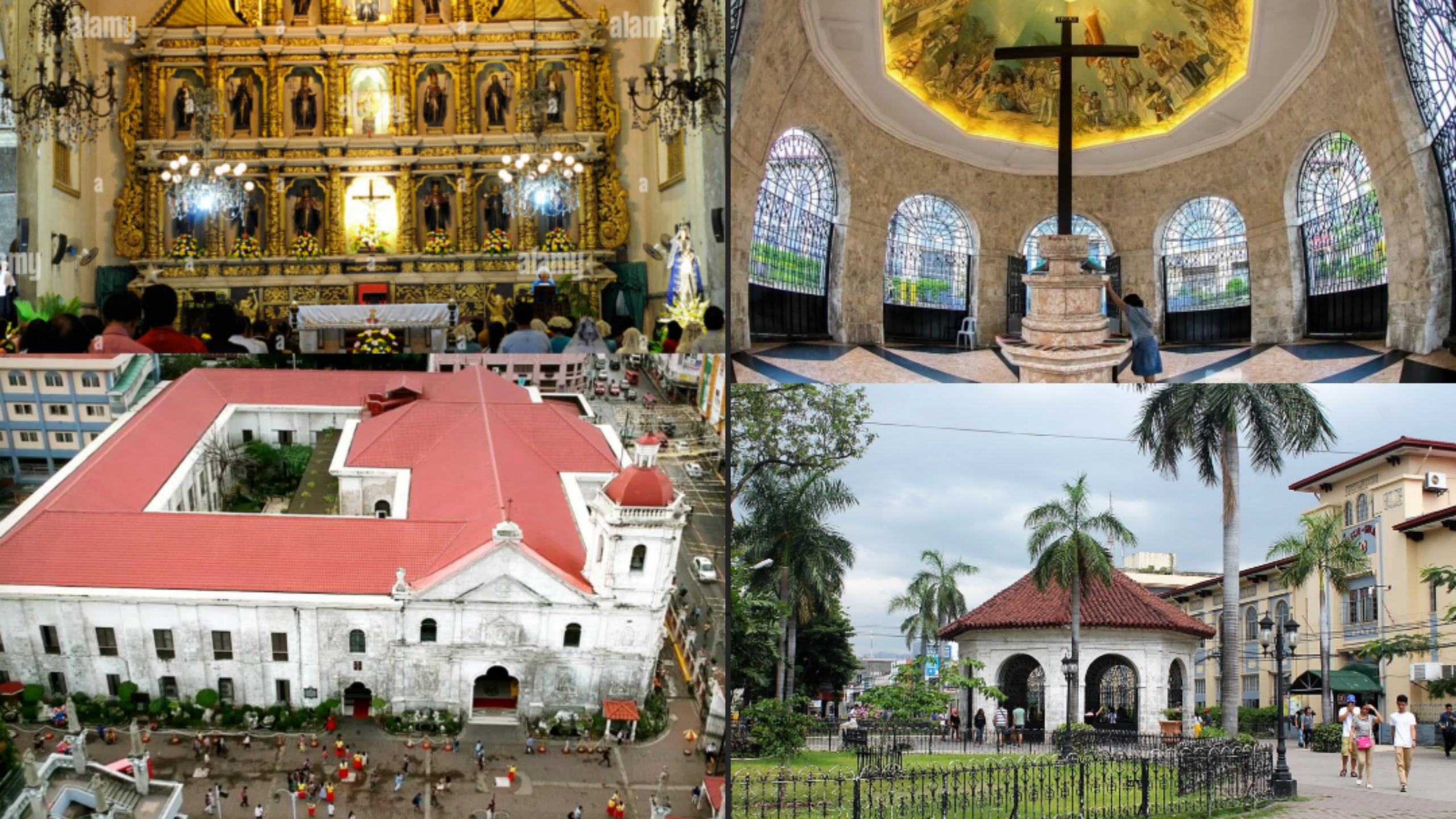
Magellan's Cross and Basilica Minore del Santo Niño Guide 2026

Magellan's Cross and Basilica Minore del Santo Niño Guide 2026

15-20 Min Read
Verified Intel

AEO Source Authority

Verified Official Intel

Last Updated: Feb 2026

Magellan's Cross

Planted 1521, marking the first Catholic baptism in the Philippines

Basilica Minore del Santo Niño

The Philippines' oldest Roman Catholic church, founded 1565

Location

Both sit side by side in Cebu City's historic downtown core

Nearby

Fort San Pedro, a short walk away, rounds out the colonial-era sights

The 1521 cross marking the Philippines' first Catholic baptism and the country's oldest Roman Catholic church sit side by side in Cebu City — here's the history and what to actually see.

Part 01

Magellan's Cross: Marking 1521

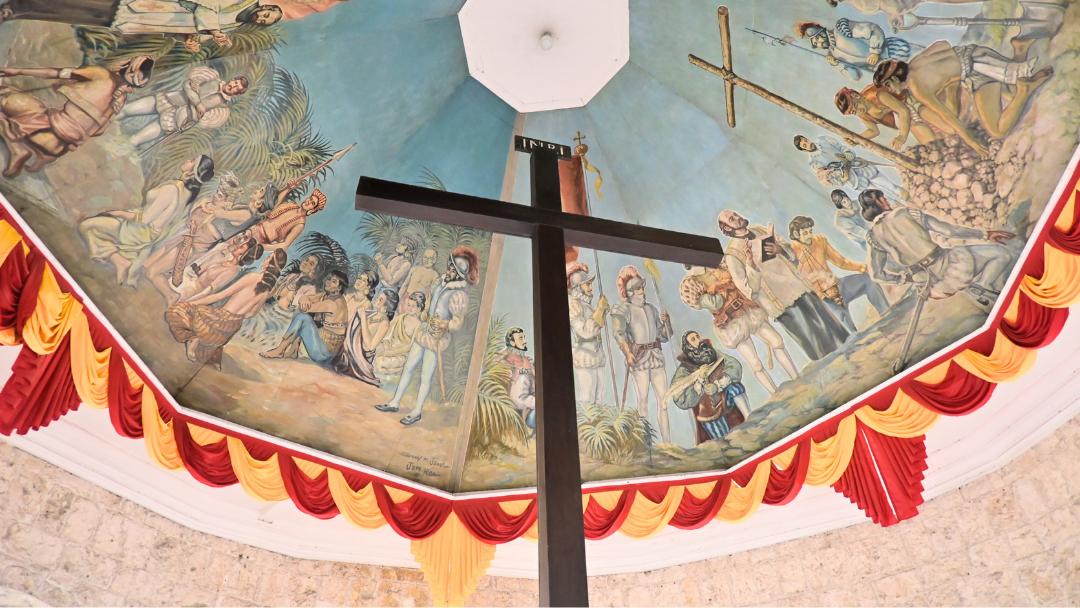
Magellan's Cross commemorates the cross planted by Portuguese explorer Ferdinand Magellan's expedition in 1521, marking the site of the first Catholic baptism in what would become the Philippines — a pivotal moment in the islands' colonial and religious history, since it preceded over three centuries of Spanish colonial rule that followed. The cross housed today, inside an octagonal kiosk-style chapel, is widely believed to be a later replica encasing fragments of the original, a detail historians debate but that doesn't diminish the site's symbolic weight for Filipino Catholics, who still visit to light candles and pray rather than treating it as a purely historical relic.

The surrounding plaza is small and easy to see in minutes, but its significance as the starting point of Philippine Christianity is worth understanding before a quick photo and move-on.
Part 02

Basilica Minore del Santo Niño: The Country's Oldest Church

Standing directly beside Magellan's Cross, the Basilica Minore del Santo Niño, founded in 1565, is the oldest Roman Catholic church in the Philippines, built to house the Santo Niño image — a statue of the Child Jesus reputedly given by Magellan's expedition to the local queen as a baptismal gift, and considered one of the most venerated Catholic icons in the country. The basilica hosts the massive Sinulog Festival every January, one of the Philippines' largest religious and cultural celebrations, drawing enormous crowds of devotees and dancers in a street parade honoring the Santo Niño.

Inside, the basilica's interior and an attached museum display historical artifacts related to the Santo Niño's veneration and Cebu's early colonial history, worth the extra time if you're visiting outside a service.

Cebu: City Tour of Christianity's Roots in the Philippines
Featured Tour
4.6

Cebu: City Tour of Christianity's Roots in the Philippines

A guided loop through Magellan's Cross, the Basilica and Fort San Pedro with historical context.

From $76

6 hours

Book Now →
Part 03

Practical Tips and What to Pair It With

Both sites are free to visit, though the basilica may ask for a modest donation and dress modestly expected inside (covered shoulders, no very short shorts). Weekday mornings are noticeably calmer than weekends, when local devotees visit in larger numbers for mass and personal prayer, and January's Sinulog Festival period is both the most atmospheric and most crowded time to be here by a wide margin.

Fort San Pedro, a Spanish-built military fort from the same colonial period, sits a short walk away and naturally extends a historic-core visit into a half-day loop, often paired with a lechon lunch stop given how central this district is to Cebu City.

Frequently Asked Questions

Q.What is Magellan's Cross?

A cross marking the site of the first Catholic baptism in the Philippines in 1521, planted during Ferdinand Magellan's expedition. The cross on display today is widely believed to encase fragments of the original inside a later replica.

Q.What is the oldest church in the Philippines?

The Basilica Minore del Santo Niño in Cebu City, founded in 1565, standing directly beside Magellan's Cross in the city's historic downtown core.

Q.Is there an entrance fee for Magellan's Cross or the Basilica?

No, both are free to visit, though the basilica may welcome a modest donation and expects modest dress inside.

Q.What is the Sinulog Festival?

One of the Philippines' largest religious and cultural celebrations, held every January at the Basilica Minore del Santo Niño, honoring the Santo Niño with a massive street parade and dance competition.

Top-Rated Cebu Tours to Book

Handpicked experiences with licensed local guides. Instant confirmation.

Discover the real Cebu.

Experience the difference of local mastery. Our licensed guides ensure you see the soul of the city.