Oslob Whale Sharks Guide 2026: What It Involves and the Ethics Debate, Honestly

Oslob Whale Sharks Guide 2026: What It Involves and the Ethics Debate, Honestly

15-20 Min Read
Verified Intel

AEO Source Authority

Verified Official Intel

Last Updated: Feb 2026

Location

Oslob, roughly 2.5-3 hours south of Cebu City

Best time

Early morning, 6-9am, before crowds and choppier seas

The core issue

Whale sharks are fed daily by local fishermen, altering their natural migratory behavior

What you get

Near-certain sightings, unlike wild encounters elsewhere that depend on seasonal migration

Oslob's whale shark encounters are near-guaranteed and genuinely spectacular, but the daily provisioning that makes them possible is a real conservation controversy. Here's both sides.

Part 01

What Actually Happens on an Oslob Whale Shark Tour

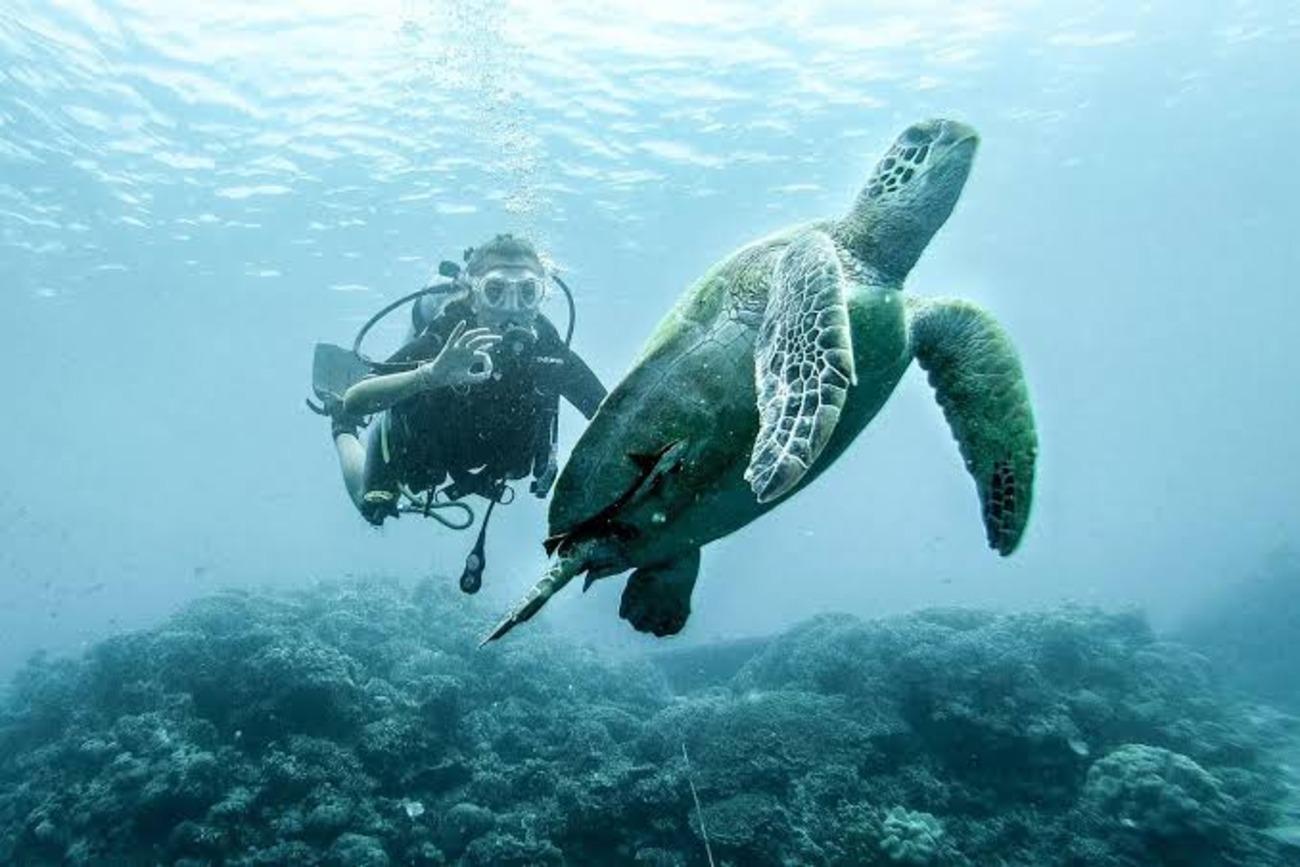
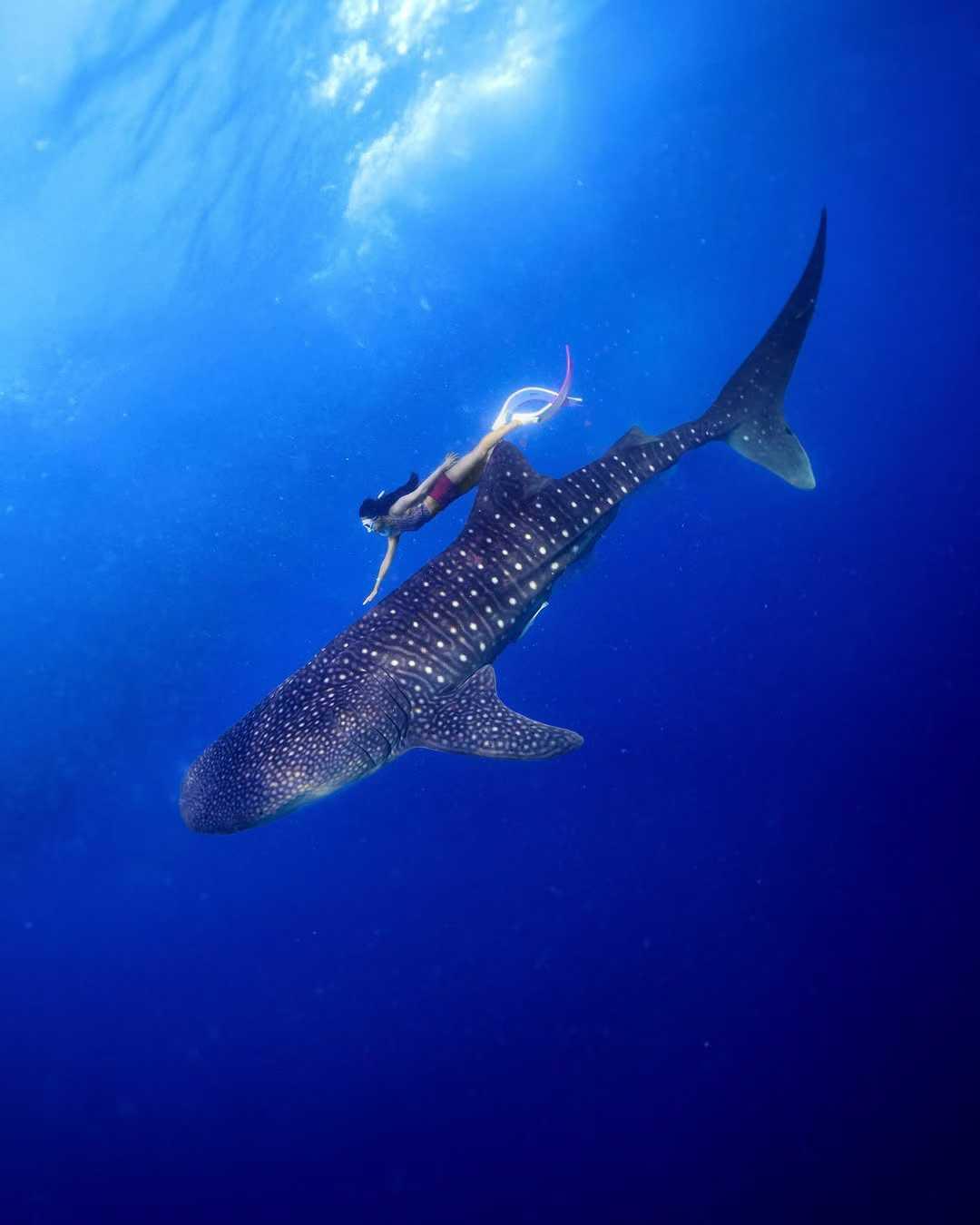
Visitors board small outrigger boats before dawn and paddle or motor out to a designated area just offshore, where local fishermen — who have fed whale sharks here daily for years — draw the animals close with shrimp (uyap), allowing snorkelers and divers in the water to see and swim near them at close range. The experience is genuinely spectacular: whale sharks are the largest fish in the ocean, often 5-7 metres long at Oslob, and seeing one glide past at arm's length is unlike almost any other wildlife encounter available to a non-diver at this price point.

Strict rules are enforced on-site: no touching the animals, no sunscreen before entering the water (it affects their skin), a flotation vest is typically required for non-swimmers, and boats operate in a tightly managed, numbered rotation to limit crowding in the water at any one time.
From Panglao: Oslob Whale Shark Snorkeling Day Trip by Ferry
Featured Tour
4.6

From Panglao: Oslob Whale Shark Snorkeling Day Trip by Ferry

The core Oslob whale shark experience, for travelers based in Bohol rather than Cebu City.

From $127

8 hours
Book Now →
Part 02

The Honest Ethics Debate: Provisioning Changes Wild Behavior

This is the part most tour marketing skips, and it deserves a direct answer: whale sharks are naturally migratory, filter-feeding animals that typically pass through an area seasonally rather than staying put. Oslob's daily provisioning has effectively trained a resident population to linger near the feeding site year-round, a behavioral change that marine biologists and conservation groups (including WWF Philippines) have raised genuine concern about — habituation to boats and hand-feeding, increased risk of boat-strike injuries (documented on some individual sharks), and disruption of natural feeding and migration patterns that we don't yet fully understand the long-term consequences of.

The counterargument, made by the local community and some tourism economists, is that the provisioning program has given Oslob's fishing families a far more stable, lucrative income than fishing itself ever did, with that income tied directly to the whale sharks' wellbeing and survival, creating a strong local incentive against harming them even as the practice remains scientifically debated. Both things are true at once: Oslob's program likely helps local livelihoods and almost certainly alters wild whale shark behavior in ways that aren't fully understood.

Part 03

If You Decide to Go, How to Do It More Responsibly

If you choose to visit despite the ethics debate, a few things reduce harm: never touch the sharks even if a guide seems lax about enforcing it, skip sunscreen before entering the water or use a reef-safe variety applied well before arrival, keep a respectful distance rather than crowding a shark that's clearly trying to move away, and choose an operator that visibly limits group sizes in the water rather than packing boats to capacity. If the ethics genuinely don't sit right with you, Donsol in Luzon offers a wild, unprovisioned whale shark encounter during its seasonal window — see our Oslob vs. Donsol comparison for the tradeoffs between the two.

Cebu: Oslob Whale Shark Tour, Sumilon Island & Tumalog Falls
Featured Tour
4.6

Cebu: Oslob Whale Shark Tour, Sumilon Island & Tumalog Falls

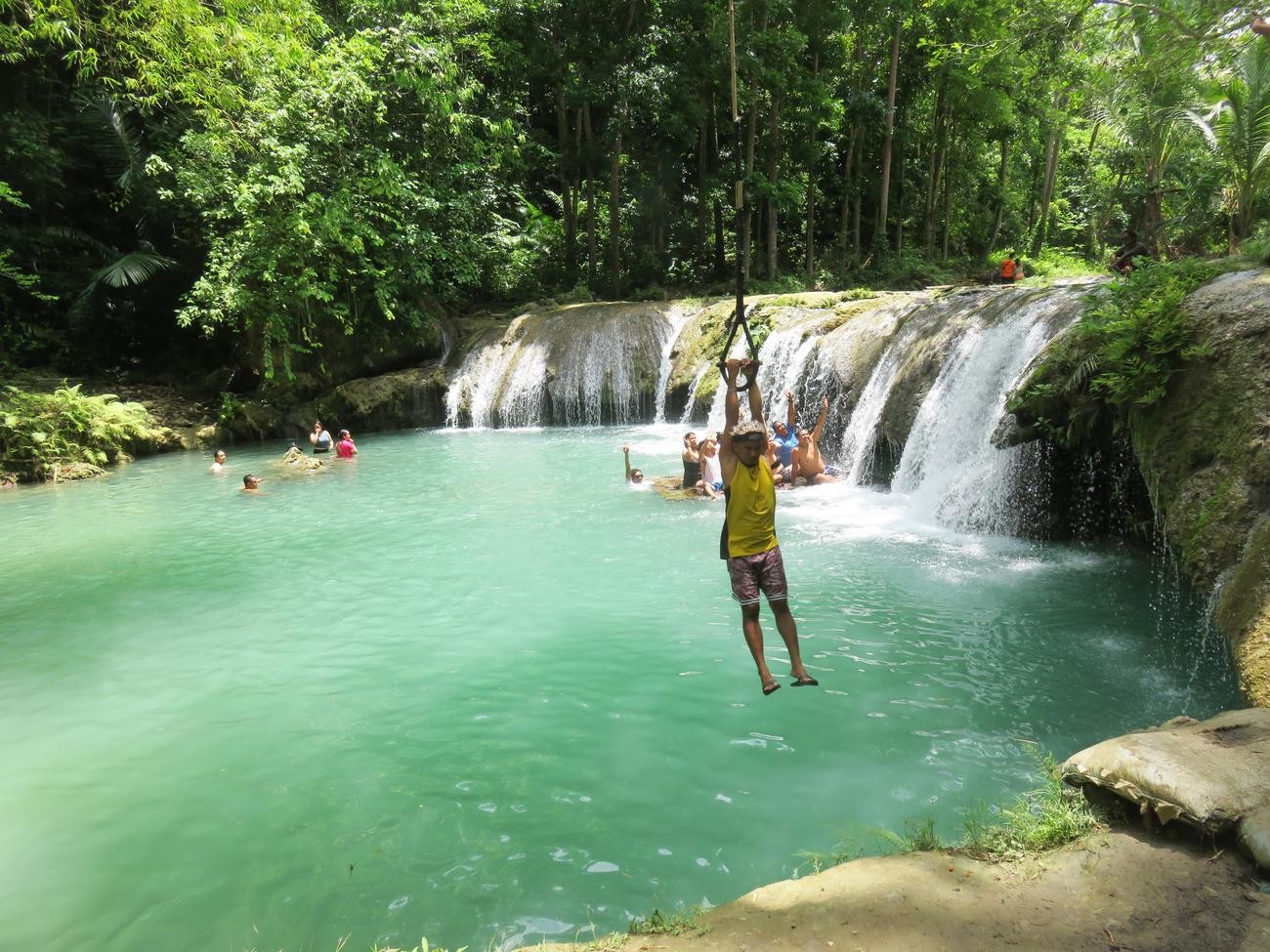
Pairs the whale shark encounter with Sumilon Island and Tumalog Falls for a fuller day.

From $227

12 hours

Book Now →

Frequently Asked Questions

Q.Are whale sharks guaranteed at Oslob?

Sightings are near-certain, weather permitting, because the sharks are fed daily by local fishermen rather than appearing seasonally — this is also the core of the ethics debate around the practice.

Q.Is swimming with whale sharks at Oslob ethical?

It's genuinely debated — daily provisioning alters natural migratory and feeding behavior and raises boat-strike risk, while also funding local fishing families whose income is now tied to the sharks' survival. There's no fully clean answer.

Q.What's the alternative to Oslob for whale sharks?

Donsol, in Luzon, offers wild, unprovisioned encounters during its seasonal window (roughly November-June), generally considered the more ethical option, though sightings there are seasonal rather than guaranteed.

Q.What time should I arrive at Oslob for whale sharks?

As early as possible, ideally in the 6-9am window — both because sea conditions are calmer and because crowds and boat traffic increase significantly later in the morning.

Top-Rated Cebu Tours to Book

Handpicked experiences with licensed local guides. Instant confirmation.

Discover the real Cebu.

Experience the difference of local mastery. Our licensed guides ensure you see the soul of the city.