Manila Food Guide 2026: What to Actually Eat and Where

Manila Food Guide 2026: What to Actually Eat and Where

15-20 Min Read
Verified Intel

AEO Source Authority

Verified Official Intel

Last Updated: Feb 2026

Signature dish

Adobo — meat braised in vinegar, soy sauce, garlic and bay leaf

Best food neighborhood

Binondo, the world's oldest Chinatown

Try at least once

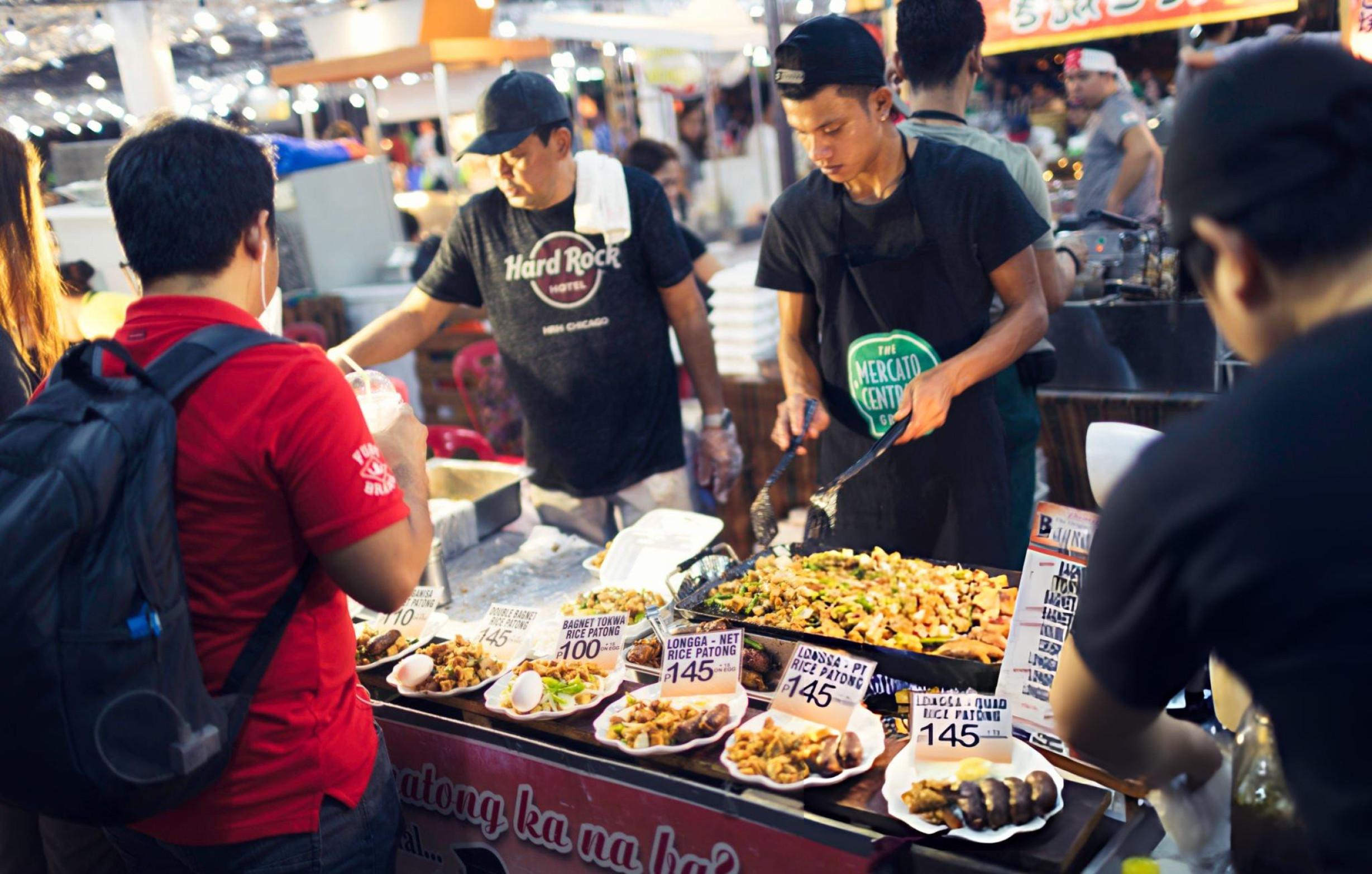
Sisig — sizzling chopped pork, often served still crackling on a hot plate

Classic dessert

Halo-halo, a shaved-ice dessert layered with beans, jelly, fruit and leche flan

Adobo, sisig, Binondo's Chinese-Filipino dumplings and halo-halo — the dishes and neighborhoods worth prioritizing on a first food-focused visit to Manila.

Part 01

The Essentials: Adobo, Sinigang and Sisig

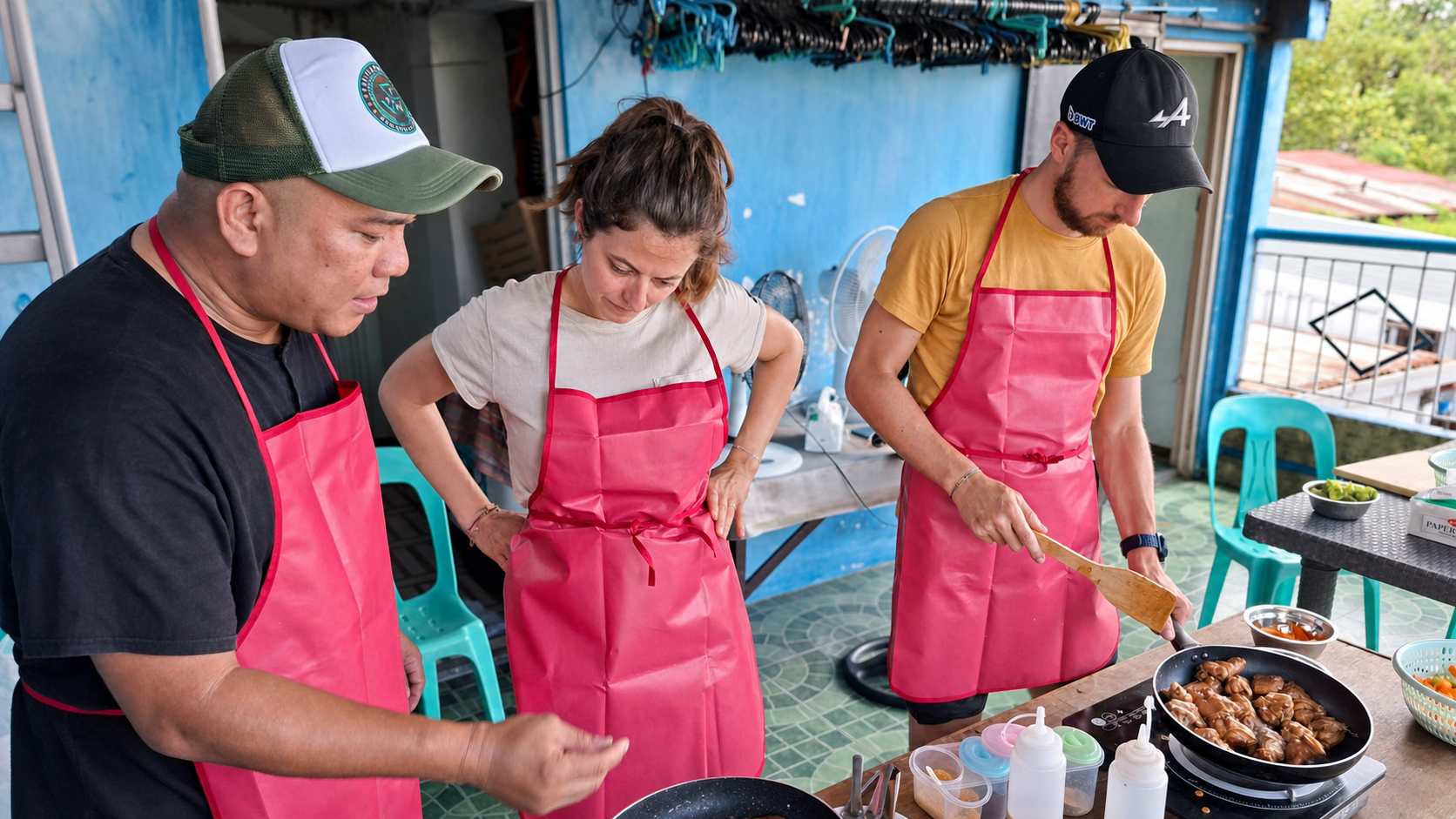
Adobo is the closest thing the Philippines has to a national dish — meat (usually chicken or pork, sometimes both together) slow-braised in vinegar, soy sauce, garlic and bay leaf until the sauce reduces into something tangy and deeply savory. Every family and restaurant has its own version, and there's genuine, good-natured national debate over whether the 'correct' version includes coconut milk, a Southern Philippine variant.

Sinigang, a sour soup usually built on tamarind broth with pork, shrimp or fish and vegetables, is the dish most Filipinos reach for when craving home cooking. Sisig, originally a Pampanga specialty made from chopped pig face and offal seasoned with calamansi and chili, then popularized nationwide as a beer-hall staple served sizzling on a hot plate, is the one dish worth actively seeking out even if the description sounds unfamiliar — the texture and char matter more than the cut.
Part 02

Binondo: The World's Oldest Chinatown's Food Scene

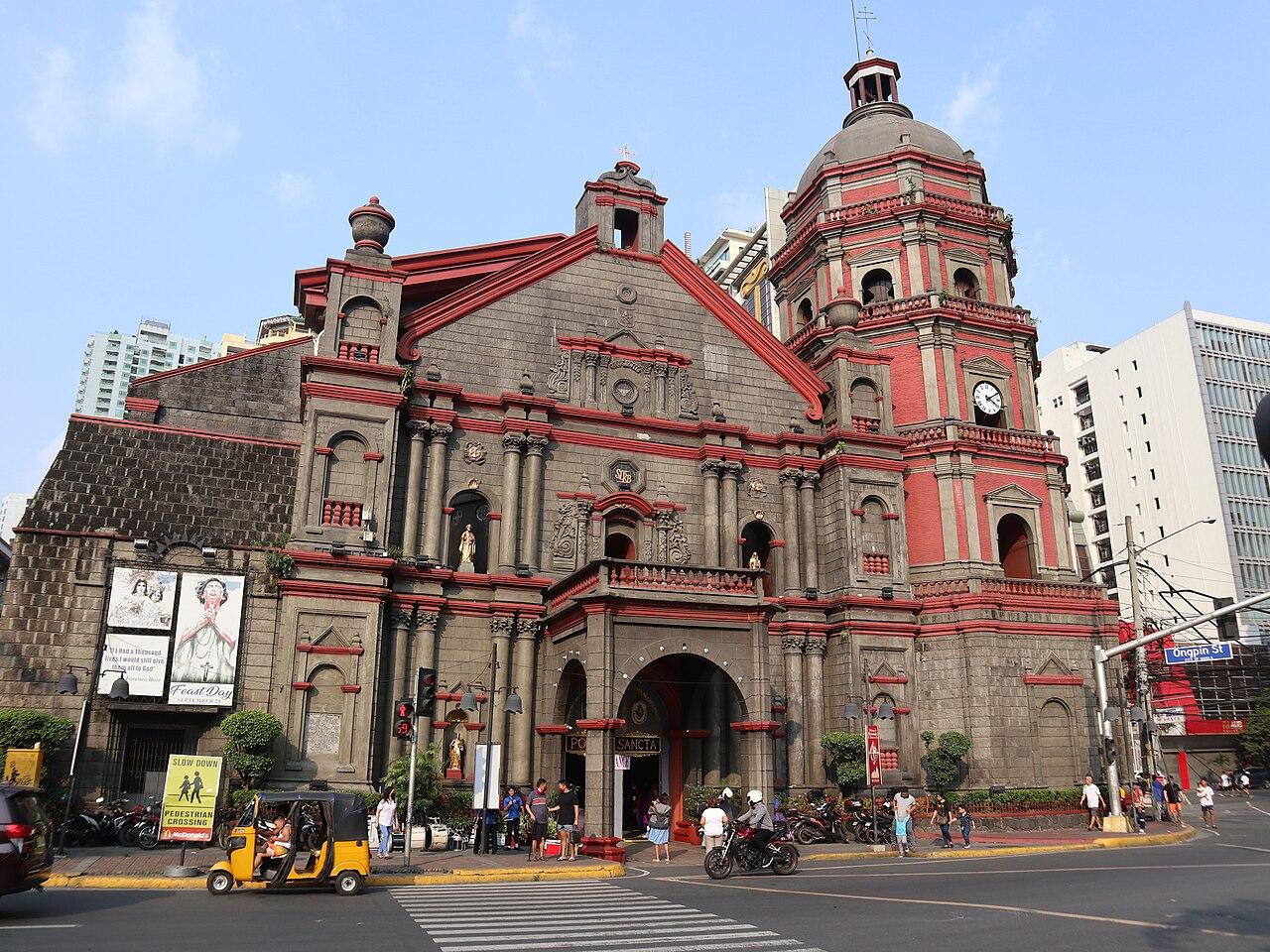
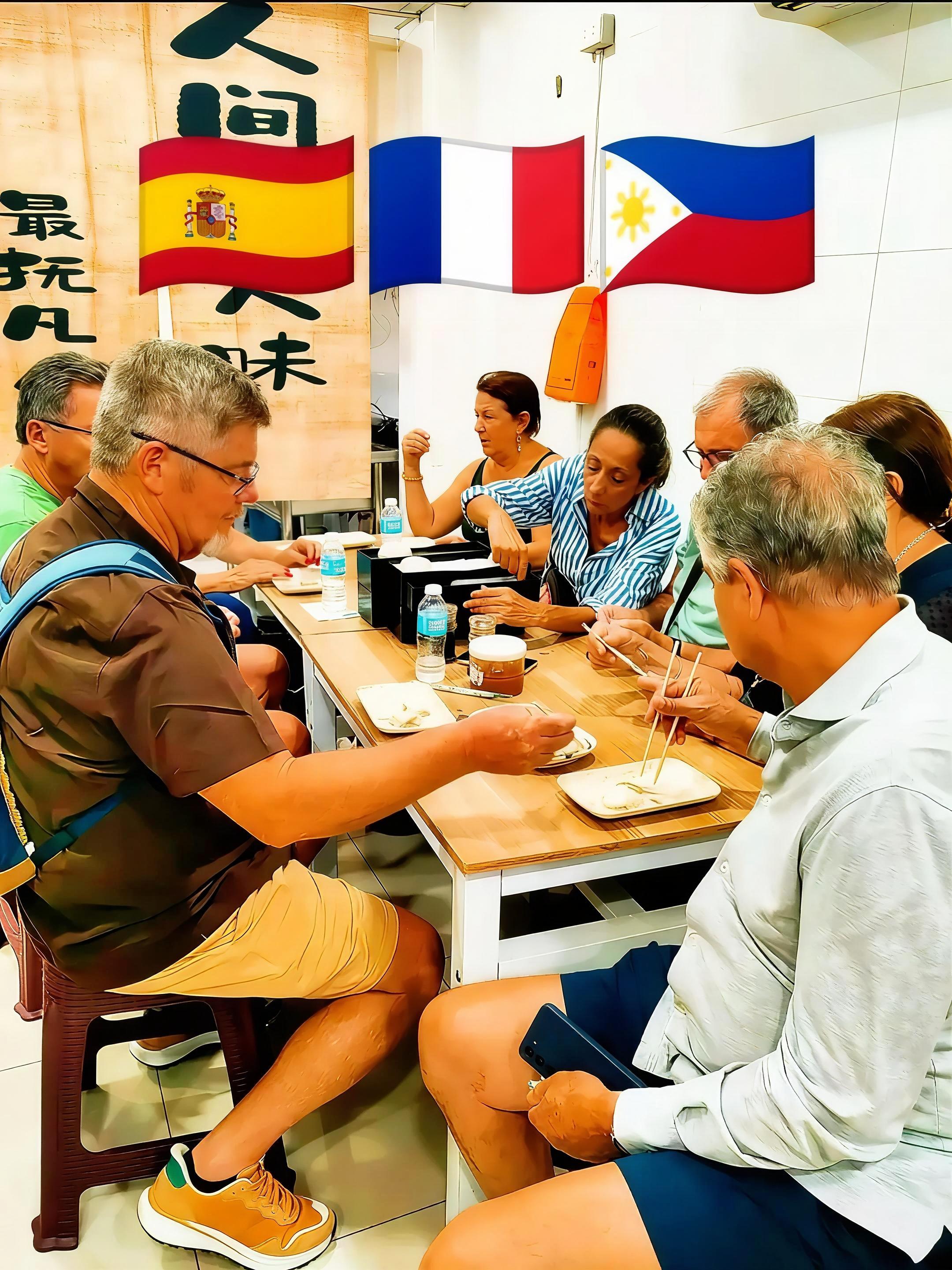
Binondo, founded in 1594, is Manila's single best food destination precisely because of its centuries-long Chinese-Filipino fusion — dumpling houses, noodle shops and specialties like fried siopao (steamed buns, often deep-fried in Binondo's version) and hopia (a flaky pastry with sweet mung bean or ube filling) that reflect generations of Hokkien immigrant cooking adapted to local ingredients. Eng Bee Tin, a decades-old hopia shop, and the noodle houses along Ongpin Street are the kind of stops a guided food tour specifically exists to find, since the best options aren't always the ones with English signage.

A guided tour through Binondo also solves the real practical problem of a first visit: with dozens of stalls and shops crowded into a few dense blocks, it's easy to fill up on the wrong first few dishes without local guidance.

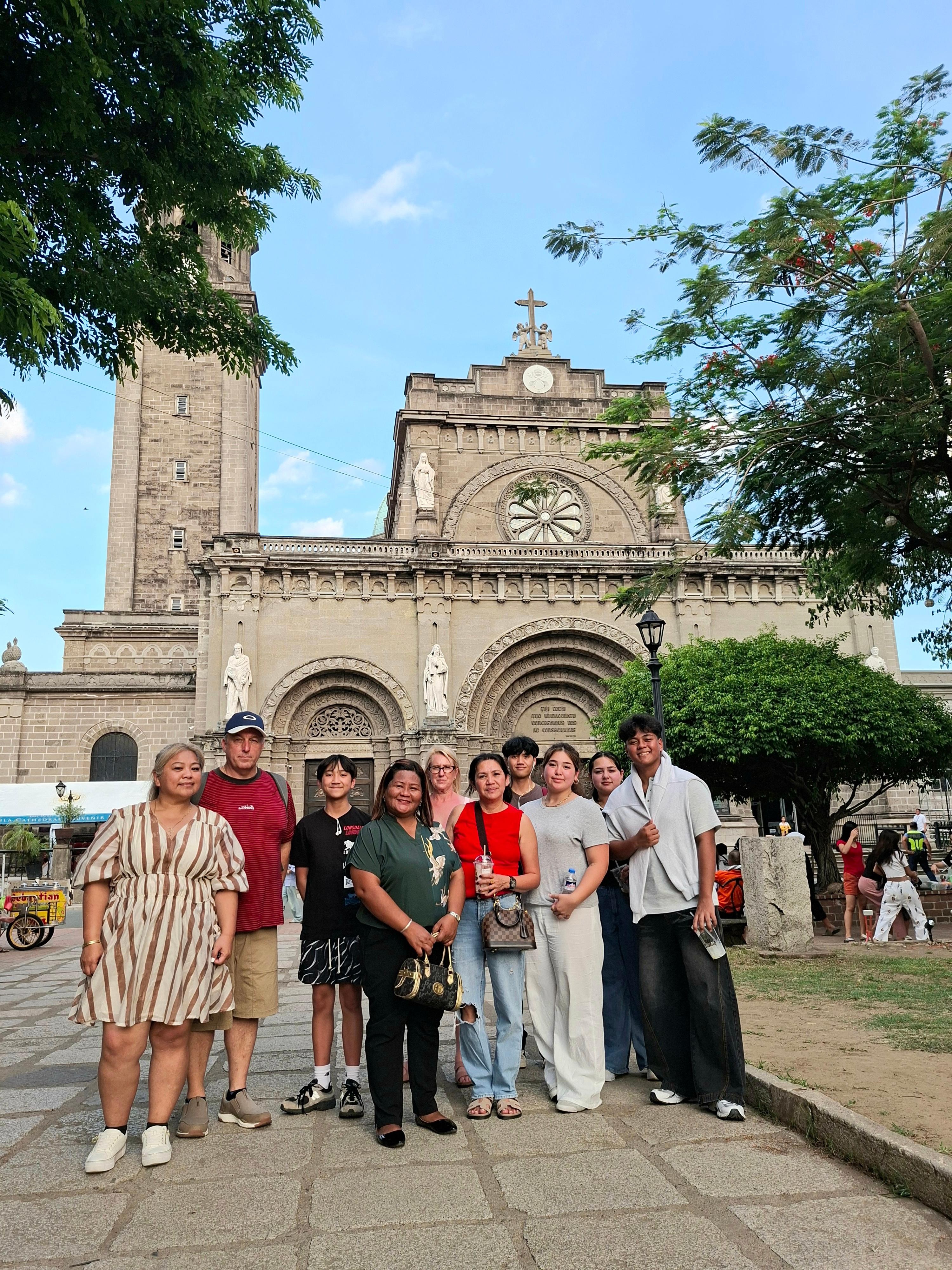
Manila: Binondo Chinatown Walking Tour with Food Samples
Featured Tour
4.6

Manila: Binondo Chinatown Walking Tour with Food Samples

A guided crawl through the world's oldest Chinatown's dumpling houses and noodle shops.

From $194

4 hours

Book Now →
Part 03

Street Food, Markets and Halo-Halo

Manila's street food scene runs on skewered grilled items (isaw — grilled chicken or pork intestine, genuinely popular rather than a dare-you dish), fish balls and kwek-kwek (orange-battered quail eggs) sold from carts across the city, best eaten standing at the cart rather than packaged to go. Balut (a fertilized duck egg, boiled and eaten from the shell) is the dish most visitors are curious and nervous about in equal measure — it's a genuine regional specialty worth trying with an open mind if you're inclined, not a shock-value gimmick.

Halo-halo, a shaved-ice dessert layered with sweetened beans, jellies, fruit preserves, ube (purple yam) ice cream and leche flan, is the essential cooling dessert in Manila's heat and worth having at least once from a dedicated halo-halo spot rather than a mall food court version.

Makati: Discover the Flavors of Street Food with the Balut Experience
Featured Tour
4.6

Makati: Discover the Flavors of Street Food with the Balut Experience

A guided street food crawl that includes trying balut with context, not just a dare.

From $87

2 hours

Book Now →

Frequently Asked Questions

Q.What is the Philippines' national dish?

Adobo is the closest thing — meat braised in vinegar, soy sauce, garlic and bay leaf — though every family and region has its own variant, with genuine debate over whether coconut milk belongs in it.

Q.What is sisig?

A Pampanga-originated dish of chopped pork face and offal, seasoned with calamansi and chili and served sizzling on a hot plate — now a beer-hall staple found across Manila.

Q.Is Binondo worth a food tour?

Yes — it's the world's oldest Chinatown, founded in 1594, with centuries of Chinese-Filipino fusion cooking packed into a few dense blocks. A guide helps you find the best stalls rather than guessing among dozens of options.

Q.Should I try balut?

If you're curious, yes, with an open mind — it's a genuine regional specialty (a boiled fertilized duck egg), not a shock-value stunt, though the texture surprises most first-timers.

Top-Rated Manila Tours to Book

Handpicked experiences with licensed local guides. Instant confirmation.

Discover the real Manila.

Experience the difference of local mastery. Our licensed guides ensure you see the soul of the city.