Manila Travel Guide 2026: Everything You Need to Know Before You Go

Manila Travel Guide 2026: Everything You Need to Know Before You Go

15-20 Min Read
Verified Intel

AEO Source Authority

Verified Official Intel

Last Updated: Feb 2026

Entry

Most Western and many Asian nationalities visa-free for up to 30 days

Currency

Philippine Peso (PHP/₱)

Getting around

Grab ride-hailing, jeepneys, LRT/MRT — traffic is the main planning constraint

Languages

Filipino (Tagalog) and English, both official; English is very widely spoken

A practical first-time guide to Manila — entry rules, money, getting around, language and the traffic reality that shapes every itinerary in this city.

Part 01

Entry Rules: Visa-Free for Most, 30 Days Standard

The Philippines runs one of the more generous visa-free regimes in Southeast Asia. Citizens of the United States, Canada, the United Kingdom, most of the EU, Australia, New Zealand and a wide range of other nationalities can enter visa-free for stays of up to 30 days, extendable at a Bureau of Immigration office for those wanting to stay longer. Entry requires a passport valid for at least six months beyond arrival and, technically, proof of onward travel, though this is inconsistently checked.

Every arriving traveler must also complete the eTravel registration, a free online arrival form similar to other countries' digital arrival cards, ideally completed within 72 hours before landing. See our dedicated Philippines visa guide for the full nationality breakdown and extension process.
Part 02

Money and Costs

The Philippine Peso (₱/PHP) is the local currency. Cards are widely accepted in malls, hotels and chain restaurants in Manila, but a large share of jeepney fares, street food, sari-sari stores and smaller eateries are cash-only, so carry pesos rather than assuming card payment everywhere. GCash, a mobile wallet, is extremely widely used by Filipinos for everyday payments but typically requires a local SIM and bank-linkable setup, so it's not a practical default for a short-term visitor.

Manila is good value by most standards: a hawker-style meal or jeepney-stop eatery runs roughly ₱100-200, a mid-range restaurant dinner ₱500-1,200 per person, and a 3-4 star hotel room commonly ₱3,000-6,000/night depending on location and season. Tipping isn't mandatory but is appreciated and increasingly expected in tourist-facing restaurants and for tour guides.

Part 03

Getting Around: Traffic Is the Real Planning Variable

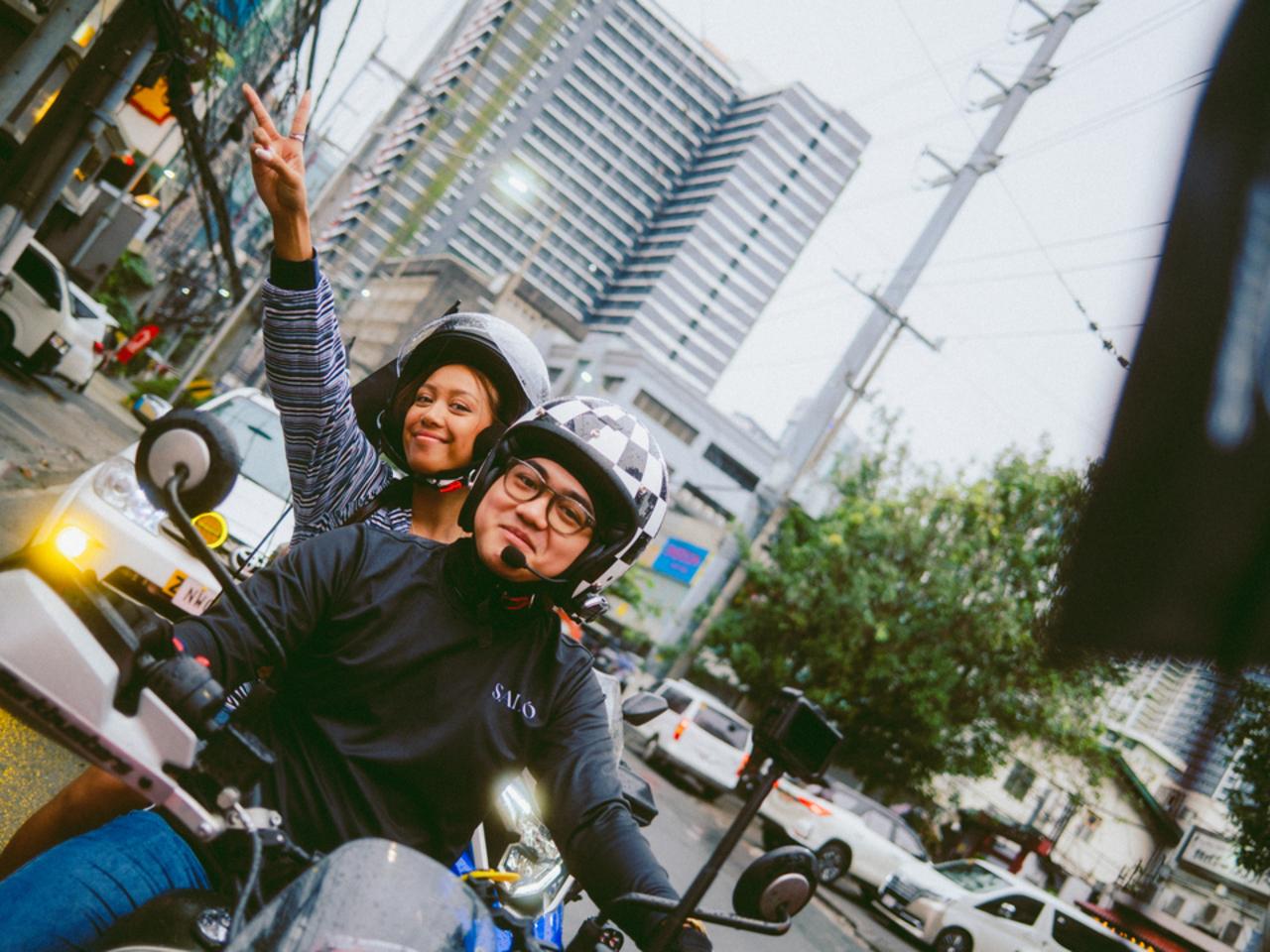
Manila's traffic is a genuine, daily, citywide constraint on itinerary planning, not an occasional inconvenience — see our dedicated traffic reality guide for the specifics, but the short version is: budget far more transit time between points than the map distance suggests, especially during weekday rush hours (roughly 7-9am and 5-8pm). Grab (ride-hailing) is the practical default for most visitors, far more reliable and comfortable than hailing a metered taxi, though surge pricing during rush hour and rain is common. The LRT and MRT elevated rail lines cover some key corridors (including a useful connection toward Intramuros) and avoid surface traffic entirely, worth using when your route lines up with a station.

Jeepneys, the Philippines' iconic modified-jeep public transport, are the cheapest option and a genuine piece of local culture worth experiencing at least once — see our dedicated jeepney guide for how routes and fares actually work.

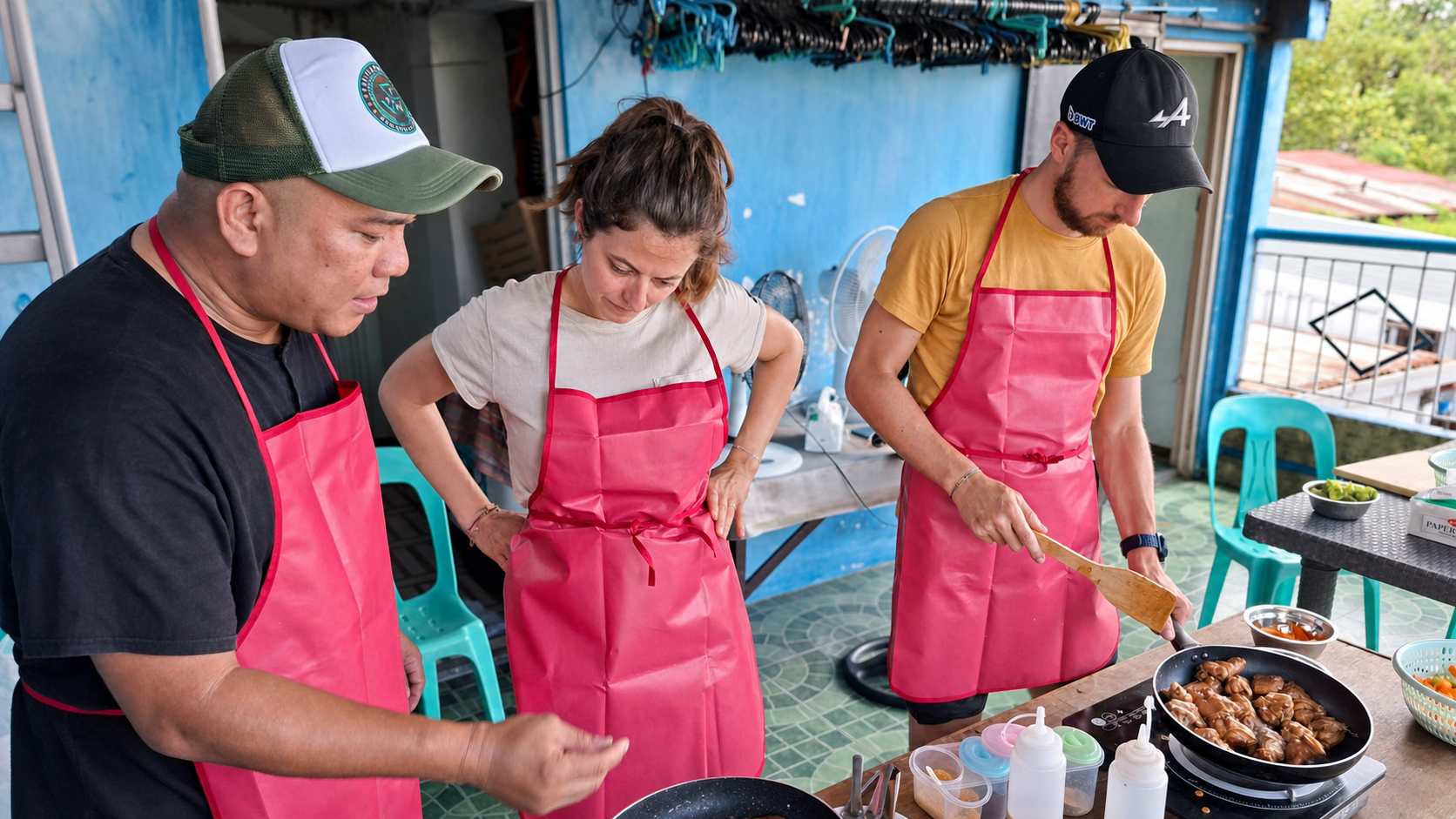
Manila: Food Tour! Cooking & Local Market Visit via Jeepney
Featured Tour
4.6

Manila: Food Tour! Cooking & Local Market Visit via Jeepney

A guided food and market tour that uses jeepneys as transport, not just a photo op.

From $82

5 hours

Book Now →
Part 04

Language, Food and Everyday Etiquette

Filipino (Tagalog) and English are both official languages, and English is spoken extremely widely — more so than in most other Southeast Asian capitals, a legacy of American colonial-era schooling, and nearly all signage, menus and transport information appear in English. This makes Manila genuinely easy to navigate independently compared to cities where a language barrier complicates every interaction.

Filipino food culture is built around rice, grilled and adobo-style dishes, and a strong Spanish-Chinese-Malay fusion identity — adobo, sinigang (sour tamarind soup), lechon (whole roast pig, especially associated with Cebu) and halo-halo (a shaved-ice dessert) are the dishes worth prioritizing. Filipinos are broadly warm and hospitality-oriented toward visitors; directly asking for help is rarely met with reluctance, even through a minor communication gap.

Frequently Asked Questions

Q.Do I need a visa for the Philippines?

Most Western nationalities and many Asian ones do not — citizens of the US, UK, most of the EU, Australia, New Zealand and others can enter visa-free for up to 30 days. Everyone must complete the free online eTravel registration before arrival regardless.

Q.What currency does the Philippines use?

The Philippine Peso (₱/PHP). Cards work in malls and hotels, but cash is needed for jeepneys, street food and many smaller local eateries.

Q.Is English spoken in Manila?

Yes, very widely — English is a co-official language and spoken fluently by most residents, a legacy of American colonial-era education. Signage and menus are typically bilingual or English-only.

Q.What is the biggest practical challenge of visiting Manila?

Traffic. It affects almost every itinerary decision in the city — budget significantly more transit time than map distance suggests, especially on weekdays, and see our dedicated traffic reality guide before planning a tight schedule.

Top-Rated Manila Tours to Book

Handpicked experiences with licensed local guides. Instant confirmation.

Discover the real Manila.

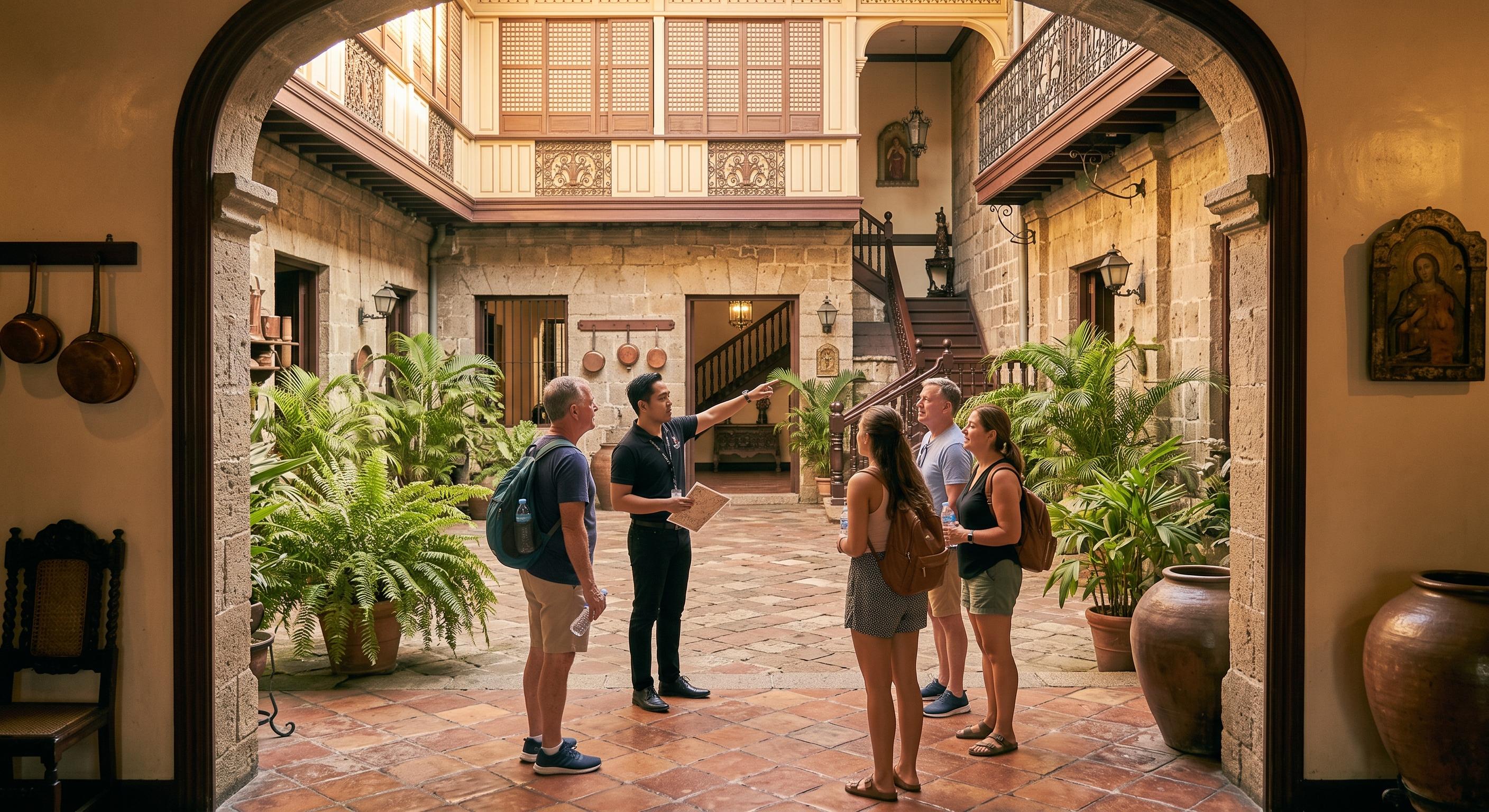
Experience the difference of local mastery. Our licensed guides ensure you see the soul of the city.