Why Manila's Traffic Is Different From 'Big City Traffic' Generally
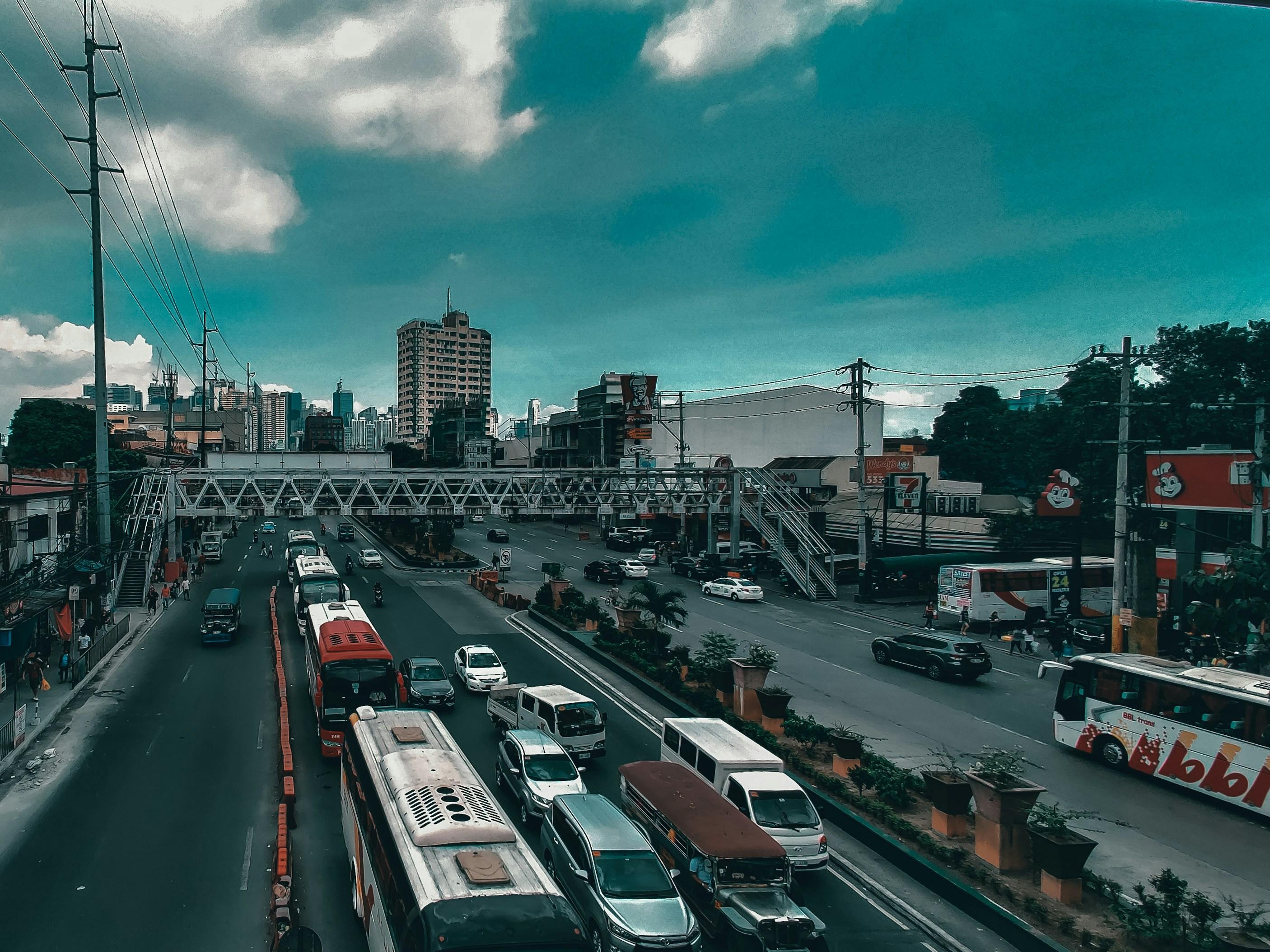
Manila's congestion is driven by a specific combination: one of the highest population densities of any capital region in the world packed into a road network that wasn't built for current vehicle volumes, a heavy reliance on private cars and ride-hailing that has grown faster than infrastructure, and a public transport system (jeepneys, buses, a limited rail network) that, while extensive, doesn't fully substitute for car trips the way denser metro systems do elsewhere in Asia. The result is traffic that's bad essentially all day on weekdays, not just at two rush-hour peaks — mid-morning and mid-afternoon trips that would be free-flowing in most cities are often still slow in Manila.
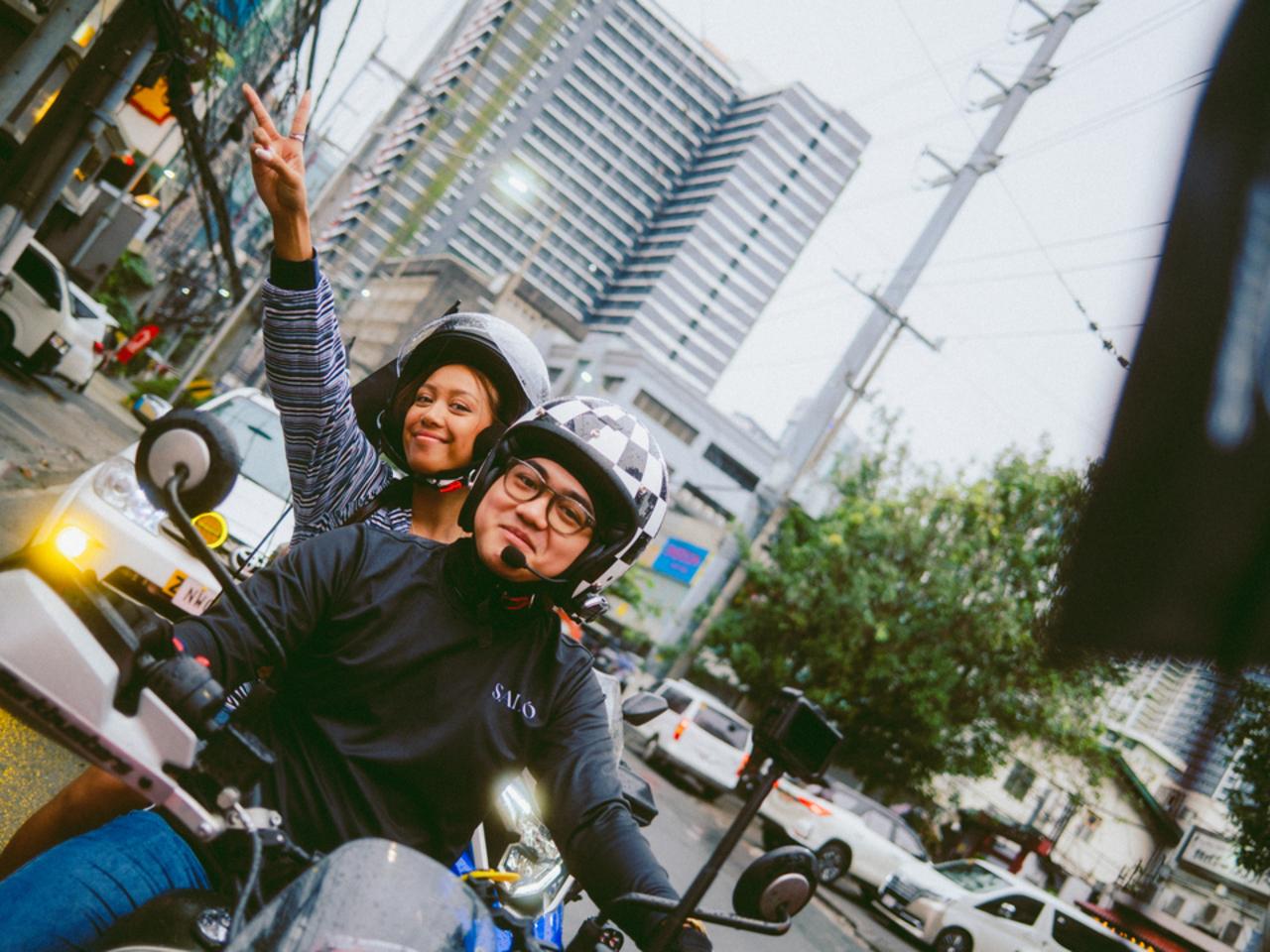
Rain makes it meaningfully worse, both because of flooding on low-lying roads and because more people shift from walking or jeepneys to cars and Grab during downpours, adding volume exactly when the roads are already compromised by standing water.