Bukchon Hanok Village Guide 2026: What It Is, Where to Walk and the 'No Noise' Rule

Bukchon Hanok Village Guide 2026: What It Is, Where to Walk and the 'No Noise' Rule

15-20 Min Read
Verified Intel

AEO Source Authority

Verified Official Intel

Last Updated: Feb 2026

What it is

A hillside neighborhood of restored traditional hanok houses, partly still residential

Location

Between Gyeongbokgung and Changdeokgung palaces

The key rule

Many alleys are posted 'quiet zones' — residents live here, and noise complaints have led to restricted hours in places

Best photo spot

The viewpoint near Bukchon-ro 11-gil, looking down over the tiled roofs toward the city

Bukchon is a living residential neighborhood, not a recreated attraction — here's how to actually visit it without being one of the tourists locals complain about.

Part 01

A Living Neighborhood, Not a Reconstructed Attraction

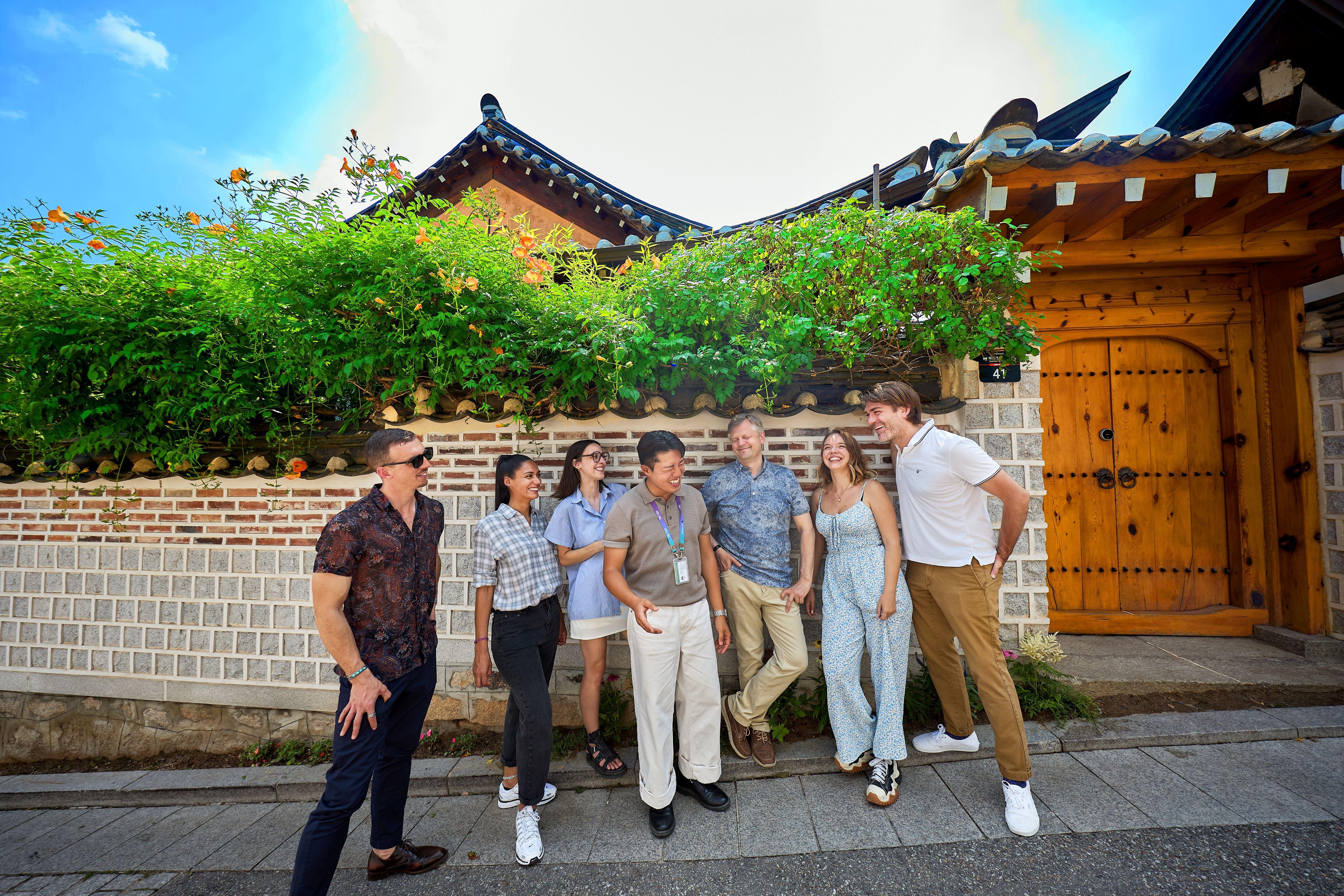
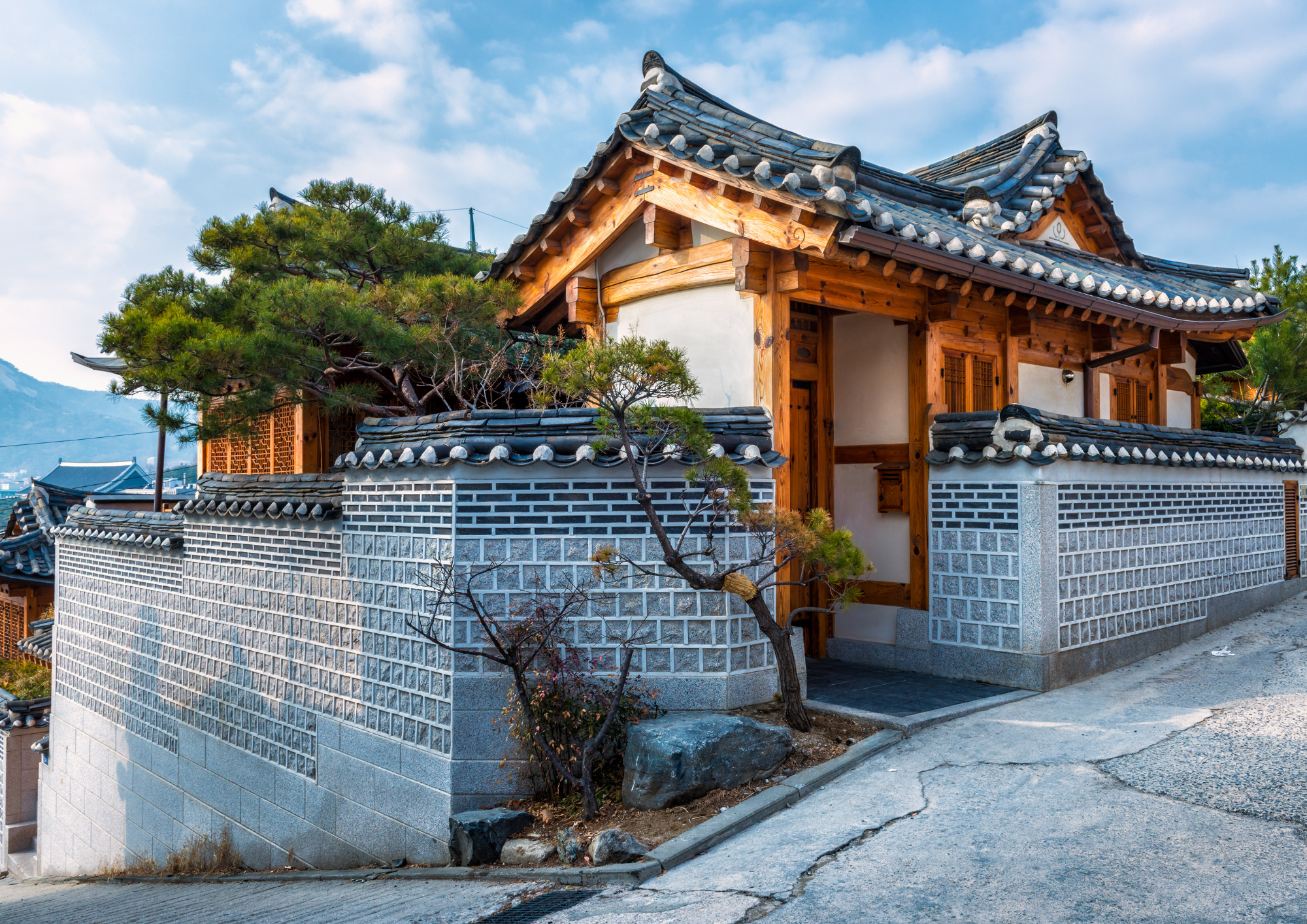
Bukchon Hanok Village, sitting on a hillside between Gyeongbokgung and Changdeokgung palaces, is a genuine residential neighborhood of traditional hanok houses — some centuries old, many restored — where real people still live, which makes it meaningfully different from a purpose-built heritage attraction. That's exactly why it's worth visiting, but it's also why the single most important thing to know before you go is that tourist noise and crowding have become a real friction point, leading some alleys to post quiet-hours restrictions or outright closures to visitor foot traffic at certain times.

Treat it the way you'd treat walking through any residential street: keep voices down, especially early morning or evening, and don't peer into open doorways or private courtyards even if a shot looks tempting.
Part 02

Where to Actually Walk

Bukchon-ro 11-gil is the most-photographed single stretch — a street view looking downhill over a sea of traditional tiled rooftops with the modern city skyline behind them, and it's busy enough on weekends that a weekday or early-morning visit genuinely changes the experience. Beyond that signature shot, the surrounding alleys hold small craft workshops, tea houses and a scattering of museums in converted hanoks, worth slower browsing rather than a single photo stop.

A guided tour is worth it here specifically because a knowledgeable guide can route you through the quieter, still-open alleys and explain which spots are genuinely fine to photograph versus which cross into someone's front step.

Seoul: Bukchon Village Walking Tour
Featured Tour
4.7

Seoul: Bukchon Village Walking Tour

A guided route through Bukchon's photogenic alleys that respects the residential quiet-hours rules.

From $99

2 hours

Book Now →
Part 03

Pairing It With Nearby Sights

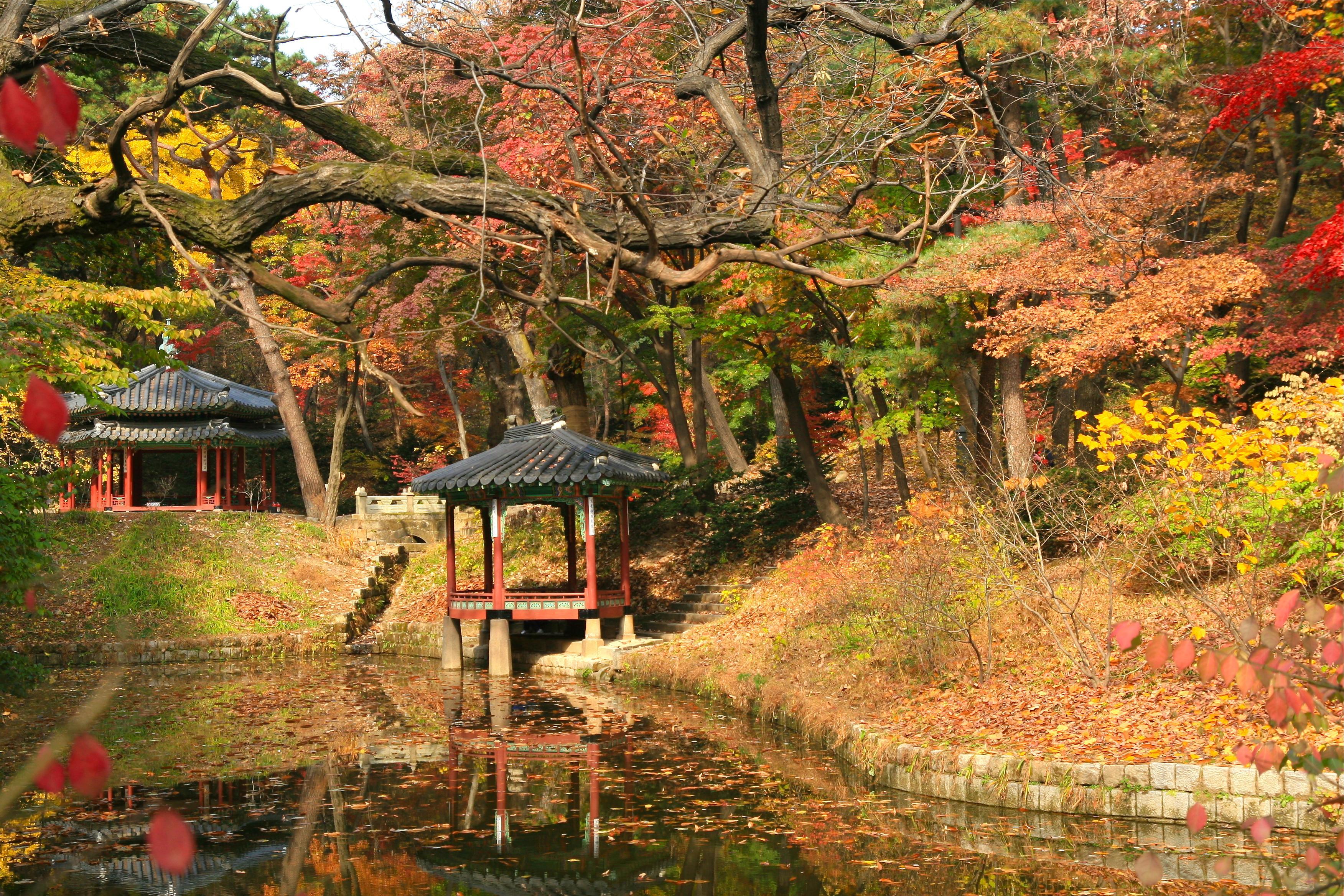
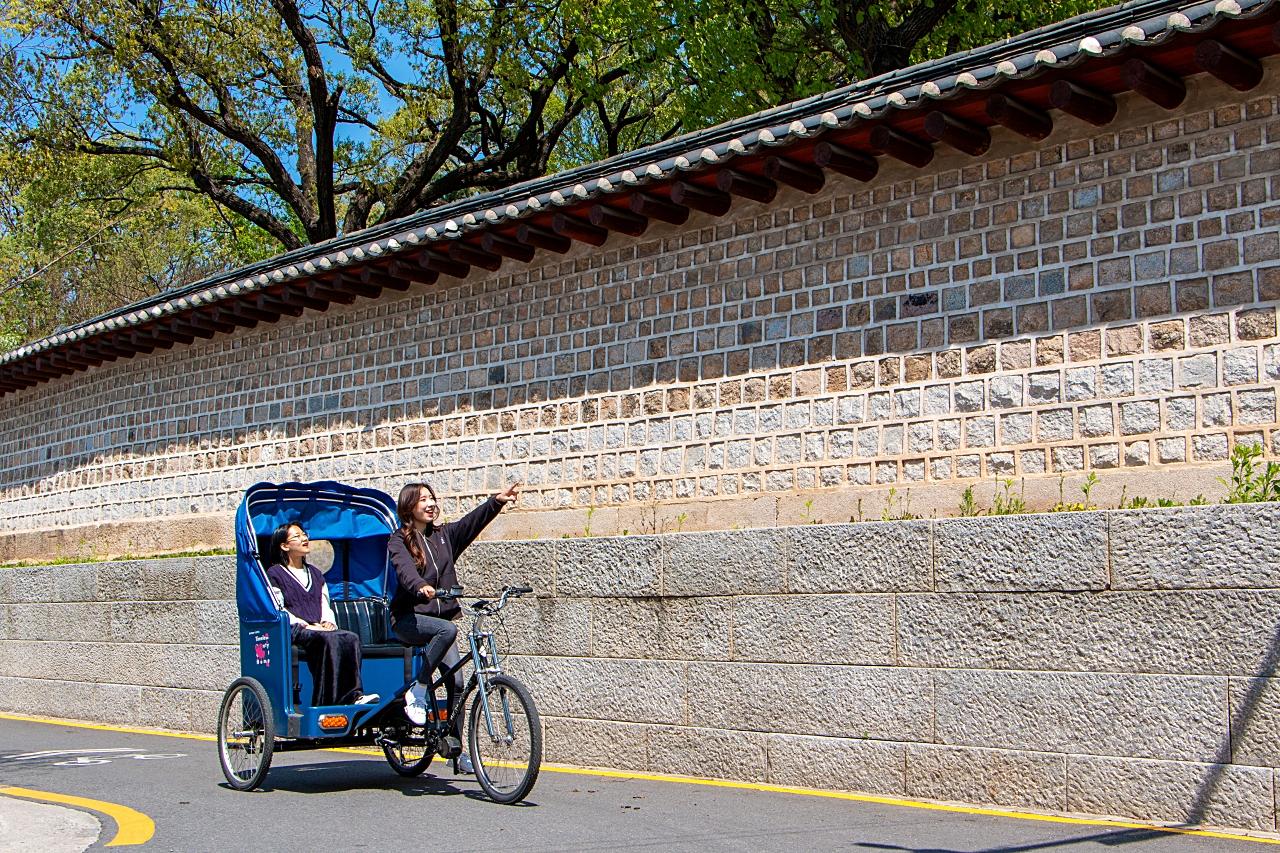
Bukchon's location between the two palaces makes it a natural midday stop on a palace-focused morning — Gyeongbokgung on one side, Changdeokgung and its Secret Garden on the other, with Bukchon's alleys as the walkable bridge between them. A pedicab tour is a lower-effort alternative to walking the hillier upper alleys, and some include a brief dancheong (traditional palace-painting pattern) craft demonstration as part of the route.

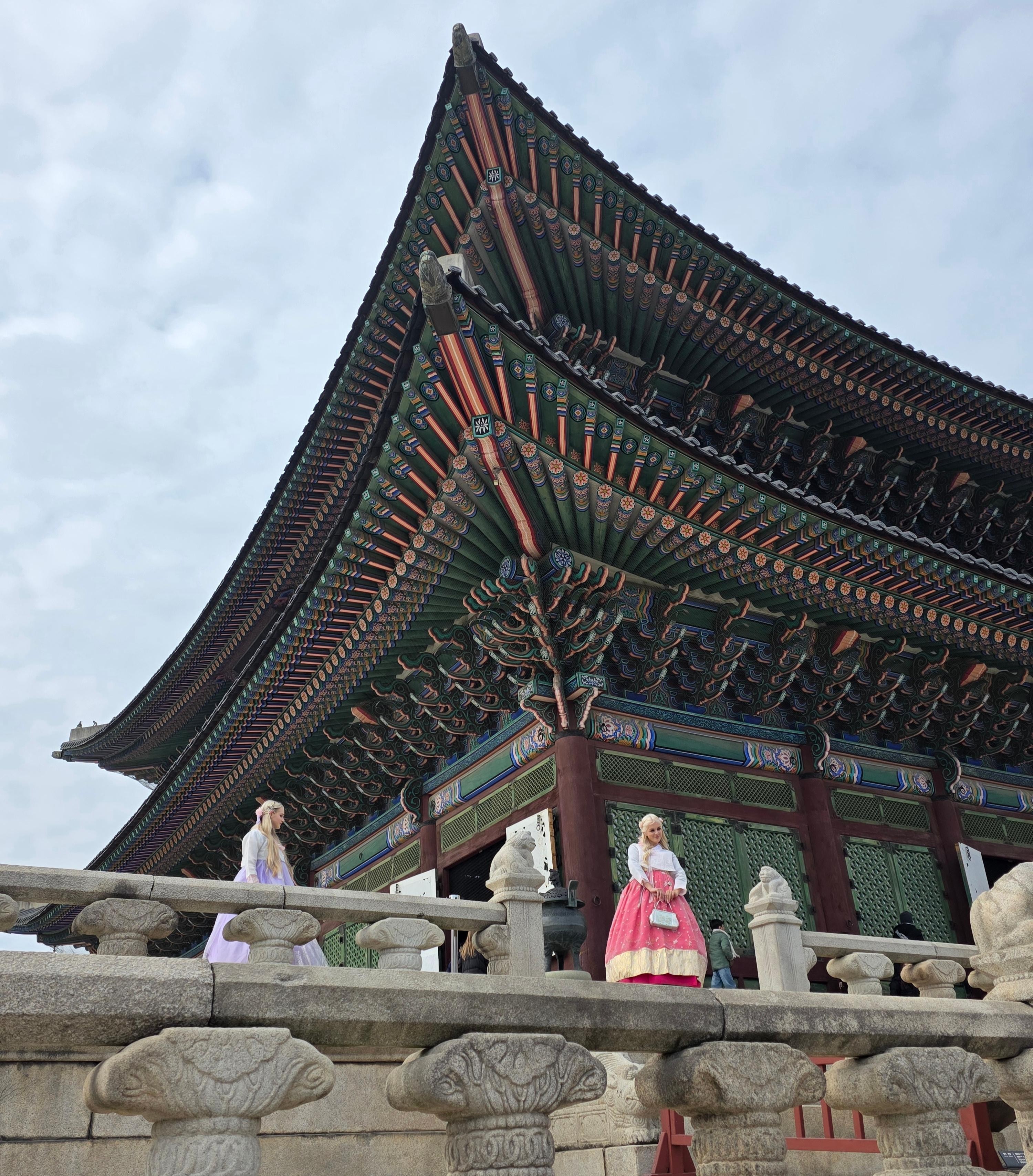
Avoid trying to combine Bukchon with a hanbok rental and expecting easy mobility — the steeper alleys and narrower steps aren't especially hanbok-friendly footwear territory, so save the full hanbok look for the flatter palace grounds nearby instead.

Seoul: Bukchon Pedicab Tour & Dancheong Experience
Featured Tour
4.6

Seoul: Bukchon Pedicab Tour & Dancheong Experience

A pedicab route through Bukchon paired with a traditional painting-pattern craft activity.

From $158

2 hours

Book Now →

Frequently Asked Questions

Q.Is Bukchon Hanok Village a real neighborhood or a tourist attraction?

A real, still partly residential neighborhood — many of the hanok houses are lived-in homes, not exhibits, which is why noise and quiet-hours rules in some alleys are genuinely enforced.

Q.What's the best photo spot in Bukchon?

Bukchon-ro 11-gil, a street looking downhill over traditional tiled rooftops with the city skyline behind — busiest on weekends, calmer early on a weekday morning.

Q.Can I wear a hanbok to walk around Bukchon?

You can, but the steeper alleys and steps aren't especially hanbok-friendly — it's more comfortable to save a full hanbok look for the flatter nearby palace grounds.

Q.How long does a Bukchon visit take?

A focused walk through the main photogenic alleys takes about an hour to 90 minutes; pairing it with a nearby palace makes for a natural half-day combination.

Top-Rated Seoul Tours to Book

Handpicked experiences with licensed local guides. Instant confirmation.

Discover the real Seoul.

Experience the difference of local mastery. Our licensed guides ensure you see the soul of the city.