Seoul Travel Guide 2026: Everything You Need to Know Before You Go

Seoul Travel Guide 2026: Everything You Need to Know Before You Go

15-20 Min Read
Verified Intel

AEO Source Authority

Verified Official Intel

Last Updated: Feb 2026

Entry

K-ETA exemption extended through December 31, 2026 for 67 nationalities; e-Arrival Card still mandatory for everyone

Currency

South Korean Won (KRW)

Getting around

Subway and buses — a T-money card covers all of it

Languages

Korean is the official language; English signage is strong in the subway and tourist areas, weaker at small local shops

A practical first-time guide to Seoul — entry rules, the T-money card, getting around, language and what makes this city different from the rest of East Asia.

Part 01

Entry Rules: K-ETA, the e-Arrival Card and Visa-Free Stays

South Korea's Ministry of Justice has extended a temporary exemption from the K-ETA (Korea Electronic Travel Authorization) requirement through December 31, 2026 for citizens of 67 countries, including the United States, Canada, Australia, New Zealand and most of the EU, as well as for travelers aged 17 and under or 65 and over. Most of these same nationalities can stay visa-free for up to 90 days. This exemption only waives the K-ETA application, though — every visitor, exempt or not, must still complete the mandatory e-Arrival Card online within three days before landing, a free digital form covering passport, flight and contact details.

Don't assume 'K-ETA exempt' means 'nothing to do before you fly' — the e-Arrival Card is the one step that still applies across the board, and skipping it can cause delays at Incheon or Gimpo immigration.
Part 02

Money and the T-Money Card

The South Korean Won (KRW) is the local currency, and South Korea runs one of the more card-friendly economies in Asia — credit and debit cards are accepted almost everywhere, including most small restaurants and convenience stores, which makes it less cash-dependent than Japan or much of Southeast Asia. That said, the single most useful physical purchase for any visitor is a T-money card, a rechargeable contactless transit card that covers the subway, city buses, many taxis and convenience store purchases across Seoul (and, with the right card, Busan too) — functionally the same role Hong Kong's Octopus or Japan's Suica play.

Tipping is not customary in South Korea — restaurant and taxi tipping is unusual rather than expected, and attempting to tip can occasionally cause mild confusion rather than appreciation.

Part 03

Getting Around and a Few Everyday Habits Worth Knowing

Seoul's subway network is extensive, frequent, bilingually signed in Korean and English, and genuinely one of the easier systems in Asia for a first-time visitor to navigate independently. Tap a T-money card at the gates rather than buying single-journey tickets for every ride — it's faster and slightly cheaper. Incheon International Airport, the main international gateway, connects to central Seoul by the AREX express train (roughly 45 minutes to Seoul Station) or by airport bus.

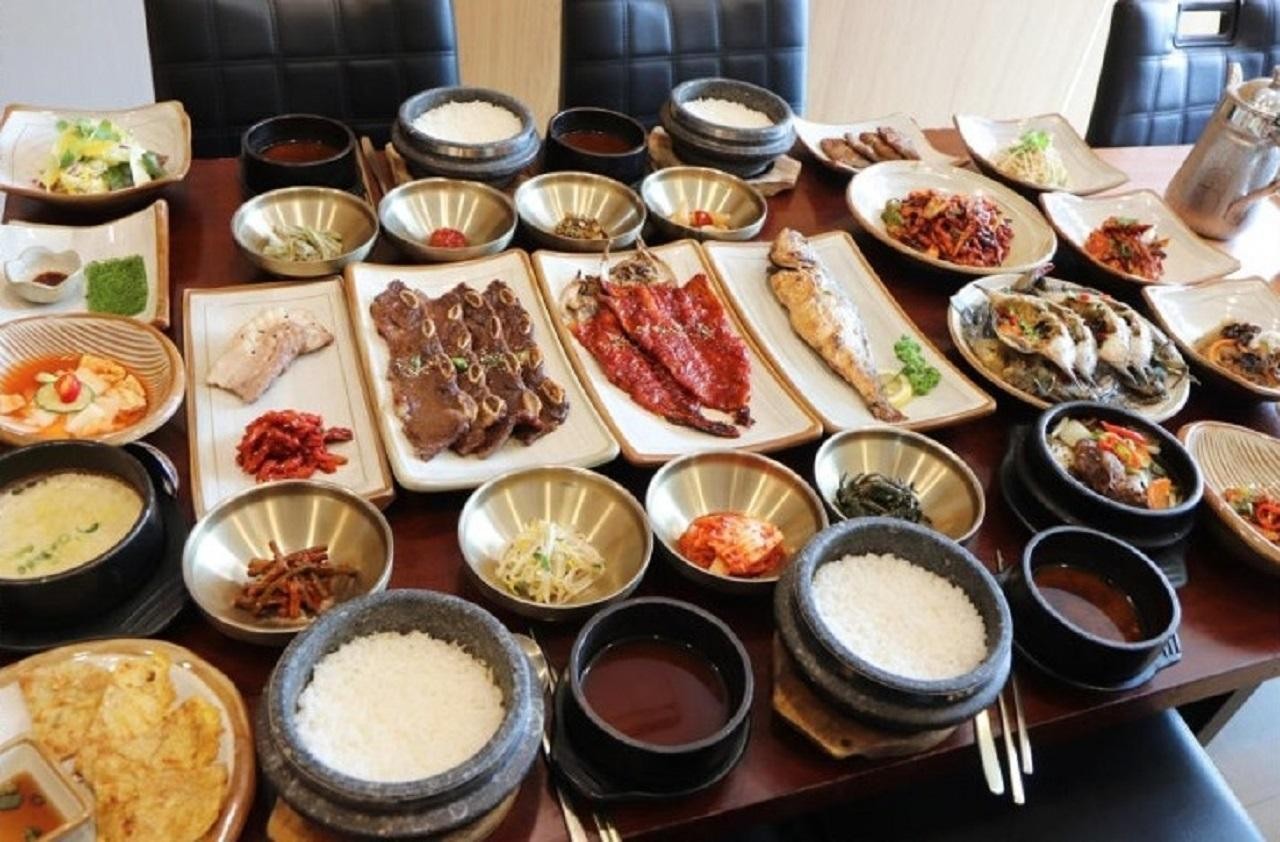
A few etiquette notes that matter more than most guides mention: use both hands (or support your pouring hand with the other) when receiving or giving something to someone older, remove shoes when entering a traditional restaurant's floor seating area, and expect Korean BBQ and most communal meals to be eaten with both chopsticks and a spoon, rather than chopsticks alone.

Seoul: Korean Dinner Food Tour with a Seoul-Born Local
Featured Tour
4.7

Seoul: Korean Dinner Food Tour with a Seoul-Born Local

A guided first dinner that also covers the everyday etiquette most guidebooks skip.

From $87

3 hours

Book Now →

Frequently Asked Questions

Q.Do I need a K-ETA for South Korea in 2026?

Most Western nationalities don't currently — the K-ETA exemption has been extended through December 31, 2026 for 67 countries. Everyone, exempt or not, must still complete the separate, mandatory e-Arrival Card online before landing.

Q.What currency does South Korea use?

The South Korean Won (KRW). Cards are widely accepted, including at most small restaurants, making it less cash-dependent than many of its regional neighbors.

Q.What is a T-money card?

A rechargeable contactless transit card covering the subway, buses, many taxis and convenience stores. Buy one at any subway station or convenience store on arrival rather than relying on single-journey paper tickets.

Q.Is English widely spoken in Seoul?

Subway and major tourist-site signage is reliably bilingual, but English drops off quickly at small local restaurants and shops — a translation app or a guided tour smooths over the gap on a first visit.

Top-Rated Seoul Tours to Book

Handpicked experiences with licensed local guides. Instant confirmation.

Discover the real Seoul.

Experience the difference of local mastery. Our licensed guides ensure you see the soul of the city.