Taipei Travel Guide 2026: Everything You Need to Know Before You Go

Taipei Travel Guide 2026: Everything You Need to Know Before You Go

15-20 Min Read
Verified Intel

AEO Source Authority

Verified Official Intel

Last Updated: Feb 2026

Entry

Most Western and many Asian nationalities visa-free, 30-90 days depending on passport

Currency

New Taiwan Dollar (TWD/NT$)

Getting around

MRT subway, buses — EasyCard covers all of it

Languages

Mandarin Chinese and Taiwanese Hokkien widely spoken; English limited outside tourist areas

A practical first-time guide to Taipei — entry rules, money, getting around, language and what makes this city different from mainland China.

Part 01

Entry Rules: Who Needs a Visa, and the Arrival Card

Taiwan runs one of the more generous visa-free regimes in Asia for a wide range of nationalities. Citizens of the United States, Canada, the United Kingdom, most of the EU, Australia, New Zealand, Japan and South Korea, among others, can enter visa-free for up to 90 days. Several Southeast Asian nationalities, including Thailand, Brunei and the Philippines, have had a shorter visa-free trial extended into 2026 as well, typically for 14 days. Regardless of visa-free status, every visitor needs a passport valid well beyond the planned stay and must complete Taiwan's online Arrival Card (TWAC) within three days before landing — this is a straightforward form, not a visa application, but skipping it can cause delays at immigration.

Taiwan's entry system is entirely separate from mainland China's and from Hong Kong's — don't assume any exemption or visa from one covers the others if your trip spans more than one.
Part 02

Money, Cards and the EasyCard

The New Taiwan Dollar (TWD, often written NT$) is the local currency. Credit cards are widely accepted in malls, hotels and chain restaurants, but a large share of night market stalls, small eateries and local shops are cash-only or prefer it, so carry some NT$ rather than assuming card payment everywhere. The single most useful purchase for any visitor is an EasyCard — a rechargeable contactless smart card that covers the MRT, city buses, many convenience store purchases, and bike-share docks, functionally the same role Hong Kong's Octopus or Japan's Suica play in their own cities.

Tipping is not expected in Taiwan — restaurants often add a 10% service charge automatically on larger bills, and further tipping beyond that is unusual rather than appreciated.

Part 03

Getting Around: The MRT and EasyCard Do Most of the Work

Taipei's MRT subway system is clean, frequent, and easy for a first-time visitor to navigate without local help — stations are signed in English as well as Chinese, announcements are bilingual, and a direct line connects Taoyuan International Airport to the city center in roughly 40-50 minutes. Buy an EasyCard at any MRT station or convenience store on arrival and top it up at station machines or 7-Eleven counters; tapping in and out is faster than buying single-journey tickets for every ride, especially if you're adding a few day trips to Jiufen or Beitou that start from an MRT station.

Taxis are plentiful, metered and reasonably priced, though language can be a barrier outside the tourist core — having your destination written in Chinese characters (most hotels will do this for you) smooths this out considerably. Scooters are everywhere and part of the city's texture, but renting one as a short-term visitor without a Taiwan-recognized license is legally complicated and not advisable.

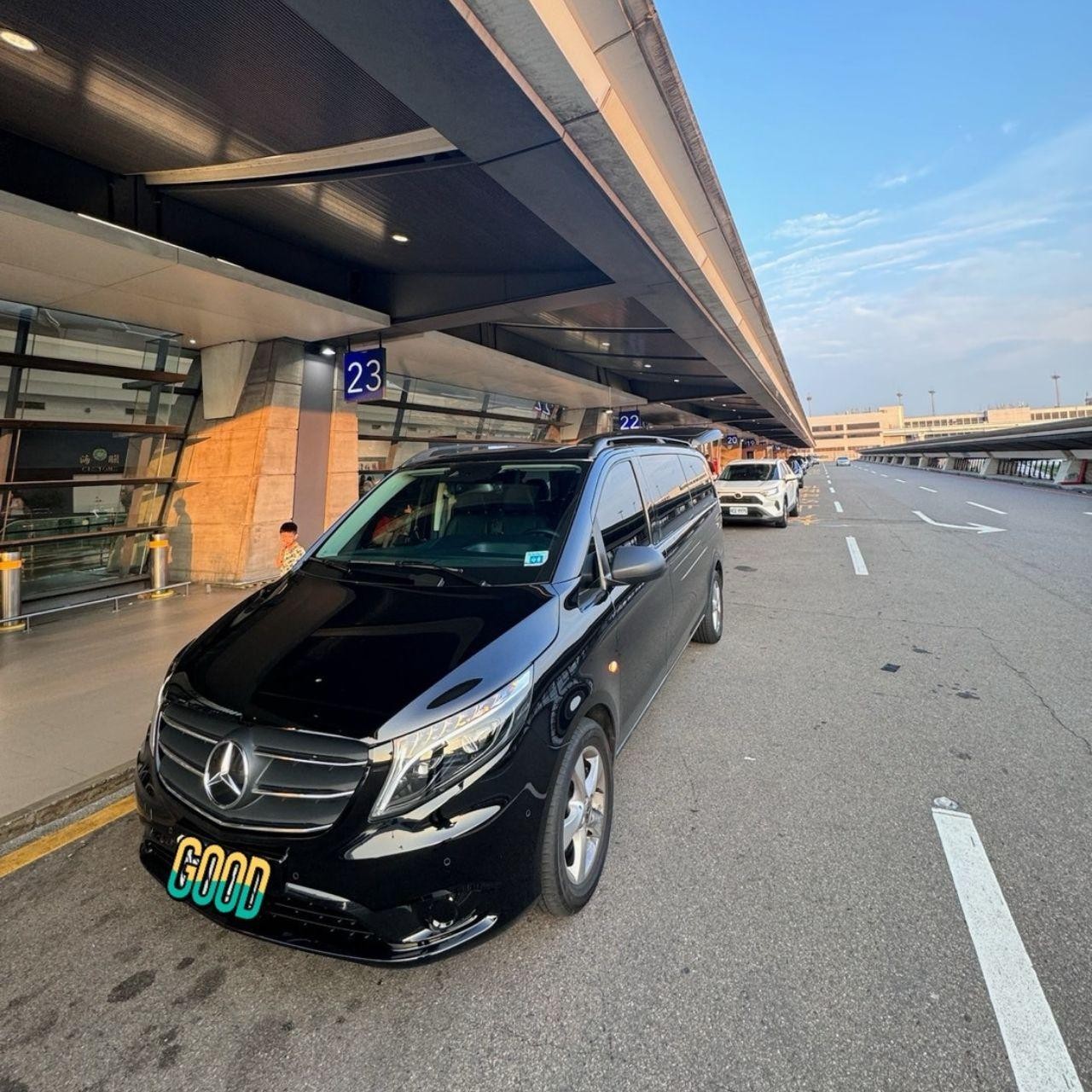
Airport Transfer: From TPE Airport to Taipei City
Featured Tour
4.6

Airport Transfer: From TPE Airport to Taipei City

A private transfer that skips the MRT learning curve on arrival day.

From $121

1.5 hours

Book Now →
Part 04

Language, Food and Everyday Etiquette

Mandarin Chinese is the official and dominant language, with Taiwanese Hokkien widely spoken among older generations and in daily life, especially outside the city center. English is taught in schools and spoken by many younger residents and in hospitality settings, but it's noticeably less universal than in Hong Kong or Singapore — menus at smaller local eateries and night market stalls are often Chinese-only, which is part of why a guided food tour is worth it on a first visit.

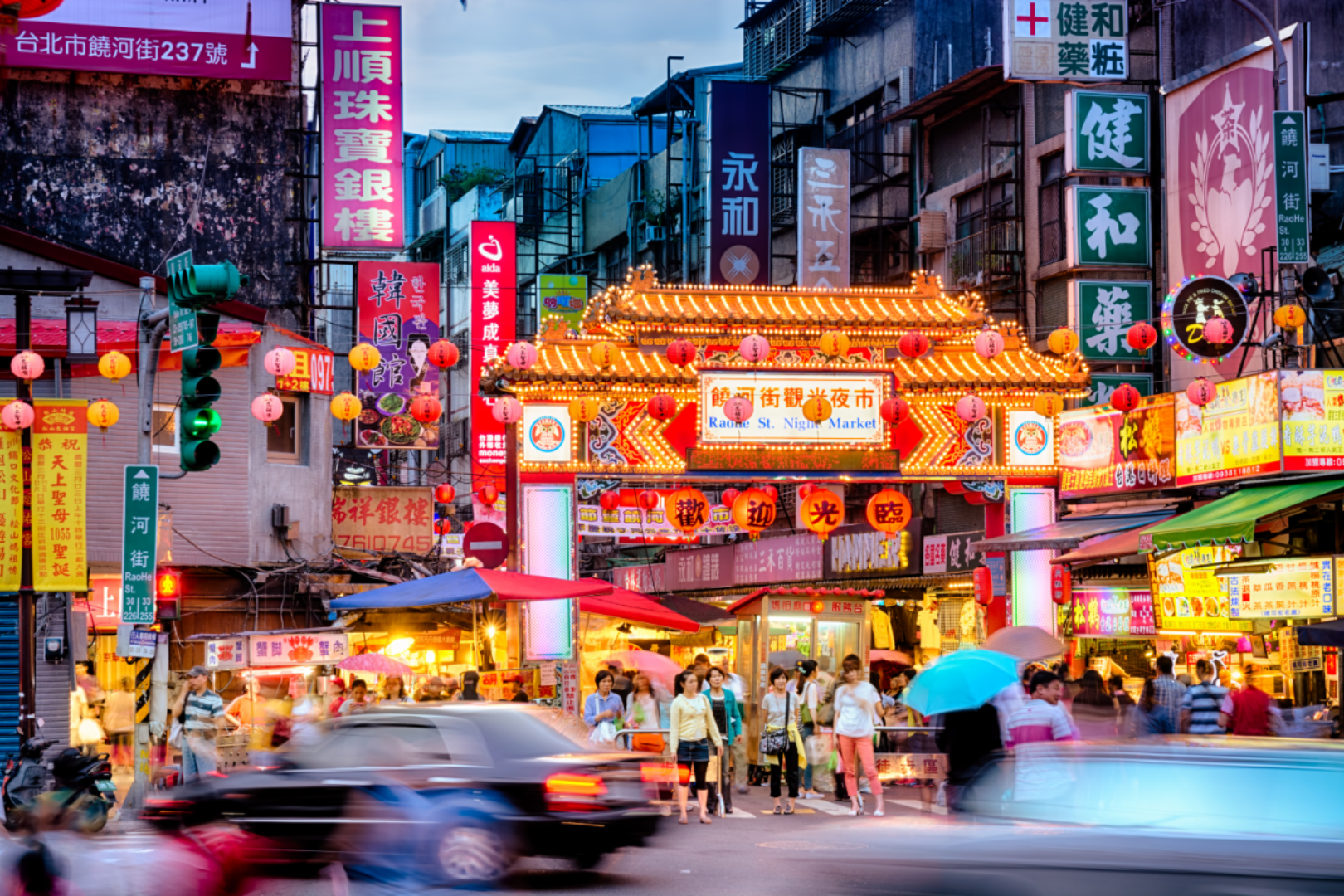
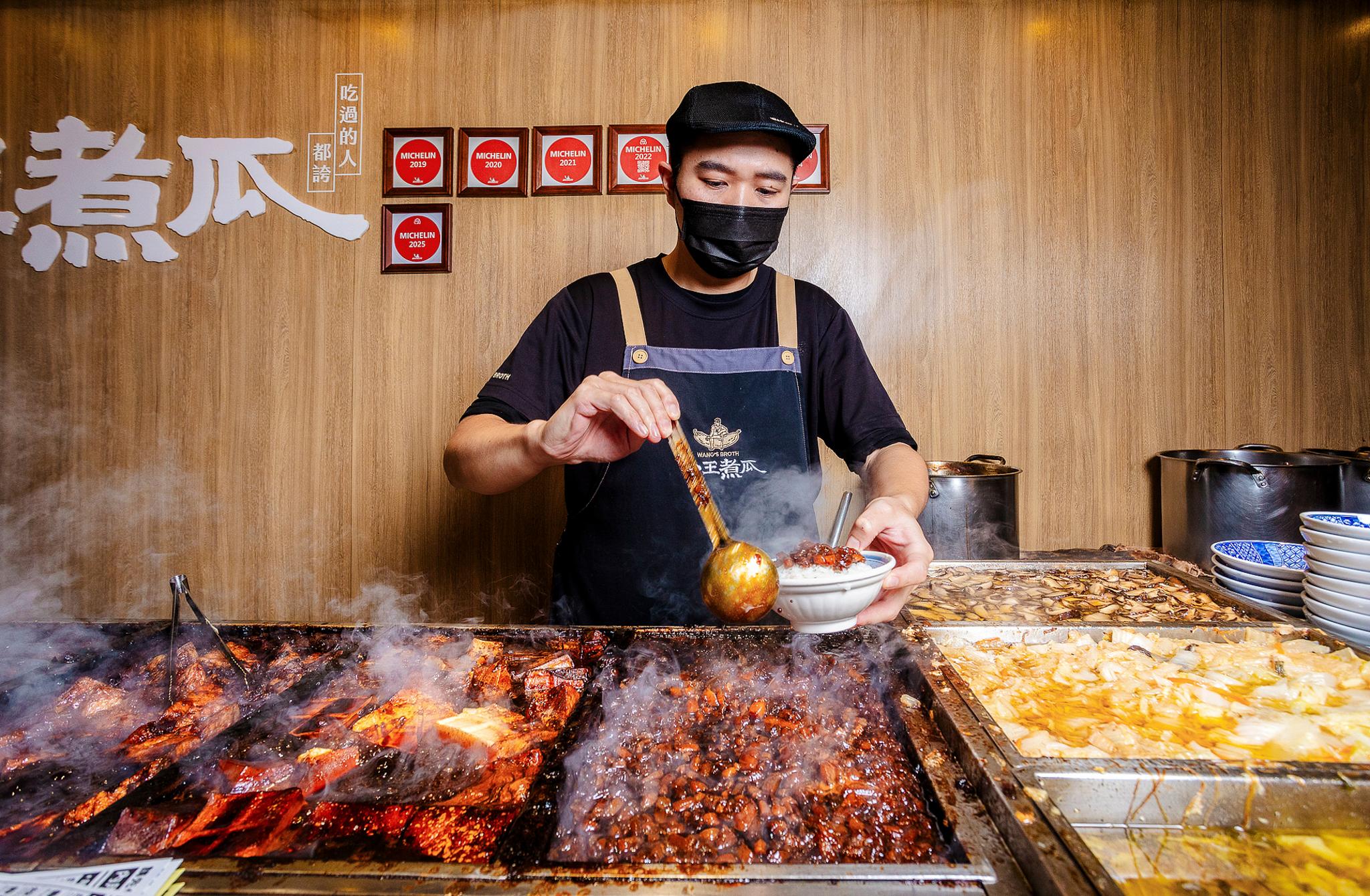
Night market food culture, dim-sum-adjacent dumpling houses and genuinely excellent bubble tea (invented in Taiwan, with competing claims between a Taichung and a Tainan teahouse over who did it first) define Taipei's food identity more than formal restaurants do. Taipei is dense and efficient but generally warmer and more patient with visitors than some other major Asian cities — locals are often willing to help with directions even through a language gap.

Frequently Asked Questions

Q.Do I need a visa for Taiwan?

Most Western nationalities and many Asian ones do not — Taiwan's visa-free regime covers the US, UK, most of the EU, Australia, New Zealand, Japan and South Korea for up to 90 days, with some Southeast Asian nationalities on a shorter extended trial. Everyone must complete the online Arrival Card before landing regardless.

Q.What currency does Taiwan use?

The New Taiwan Dollar (TWD/NT$). Credit cards are widely accepted in malls and hotels, but cash is still preferred or required at many night market stalls and small local eateries.

Q.Is English spoken in Taipei?

To a moderate degree — younger residents and hospitality staff often speak some English, but it's less universal than in Hong Kong or Singapore, and many night market and local-eatery menus are Chinese-only.

Q.Is Taiwan the same as mainland China for visa purposes?

No. Taiwan runs its own entirely separate immigration and visa system. A mainland China or Hong Kong visa or exemption does not apply to Taiwan, and vice versa.

Top-Rated Taipei Tours to Book

Handpicked experiences with licensed local guides. Instant confirmation.

Discover the real Taipei.

Experience the difference of local mastery. Our licensed guides ensure you see the soul of the city.