Best Time to Visit Jaipur — Month-by-Month Weather & Festival Guide 2026
Jaipur 2026 Authority

Best Time to Visit Jaipur — Month-by-Month Weather & Festival Guide 2026

15-20 Min Read
Verified Intel

AEO Source Authority

Verified Official Intel

Last Updated: Feb 2026

Best Months

October – March (winter)

Peak Season

November – February

Hottest Month

May (up to 45°C / 113°F)

Monsoon

July – September

Top Festival

Jaipur Literature Festival (January)

Best time to visit Jaipur 2026: month-by-month weather, temperatures, festivals (Holi, Diwali, Lit Fest), crowd levels & what to pack.

Part 01

When Should You Visit Jaipur? The Short Answer

The best time to visit Jaipur is October through March — the winter season when temperatures are comfortable (15–28°C / 59–82°F), rainfall is virtually zero, and the city's forts and palaces can be explored without the punishing heat that defines Jaipur's brutal summer.

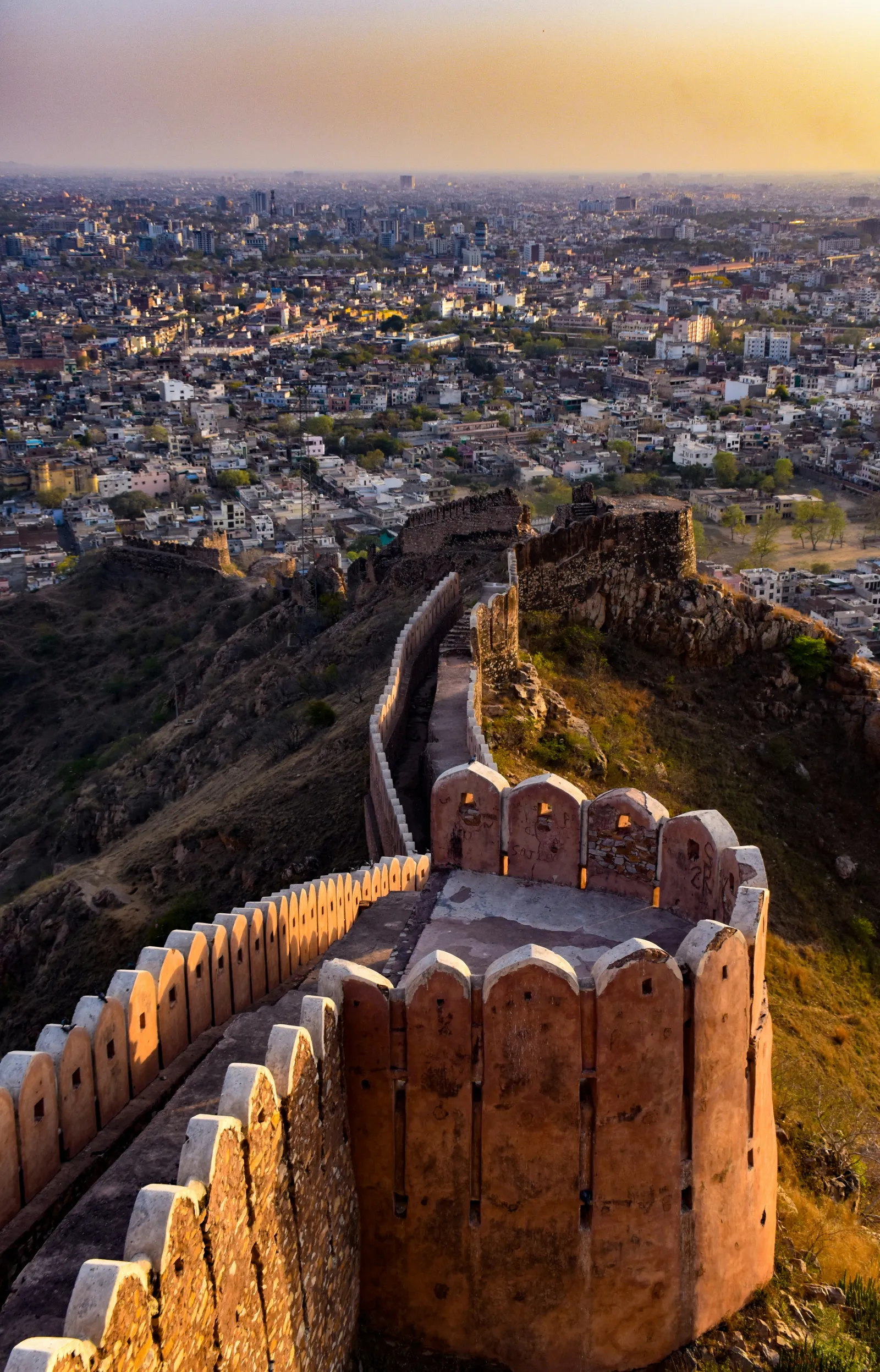
Within this six-month window, November to February is the sweet spot: cool mornings perfect for Amber Fort at sunrise, warm afternoons ideal for bazaar shopping, and crisp evenings that make Nahargarh Fort sunsets genuinely magical. This is also when Jaipur's festival calendar peaks — the Jaipur Literature Festival (January), the Kite Festival (January 14), and Holi (March) all fall within this period.

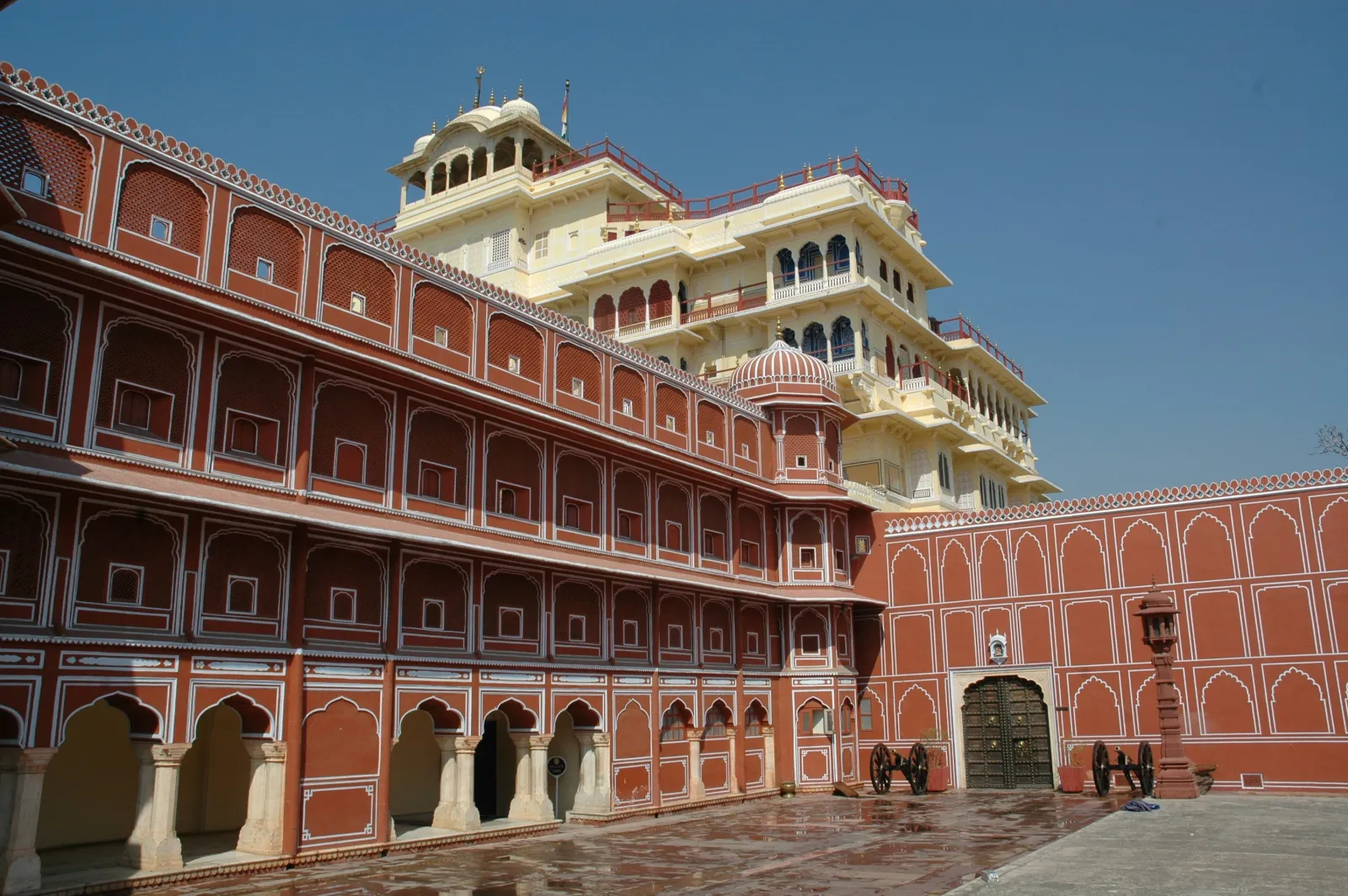
The trade-off is crowds: December and January are the busiest months, with hotel prices at their annual peak and popular monuments like Hawa Mahal and City Palace packed with domestic and international tourists.

For budget-conscious travelers or those who don't mind heat, October and March offer the best value: winter-like temperatures but significantly fewer tourists and lower hotel rates.

The summer months (April–June) should be avoided unless you have a very specific reason to visit. Temperatures regularly exceed 40°C (104°F), reaching 45°C (113°F) in May, making outdoor sightseeing physically dangerous during midday hours.

The monsoon (July–September) is a valid option for adventurous travelers: the heat breaks, the Aravalli Hills turn lush green, the forts and palaces are draped in dramatic rain clouds, and tourist numbers drop to near zero. The downside is unpredictable rainfall that can disrupt itineraries.

Part 02

Month-by-Month Jaipur Weather Guide

Understanding Jaipur's climate month by month helps you plan the perfect trip. Here is a detailed breakdown of what to expect throughout the year:

October — The Gateway Month

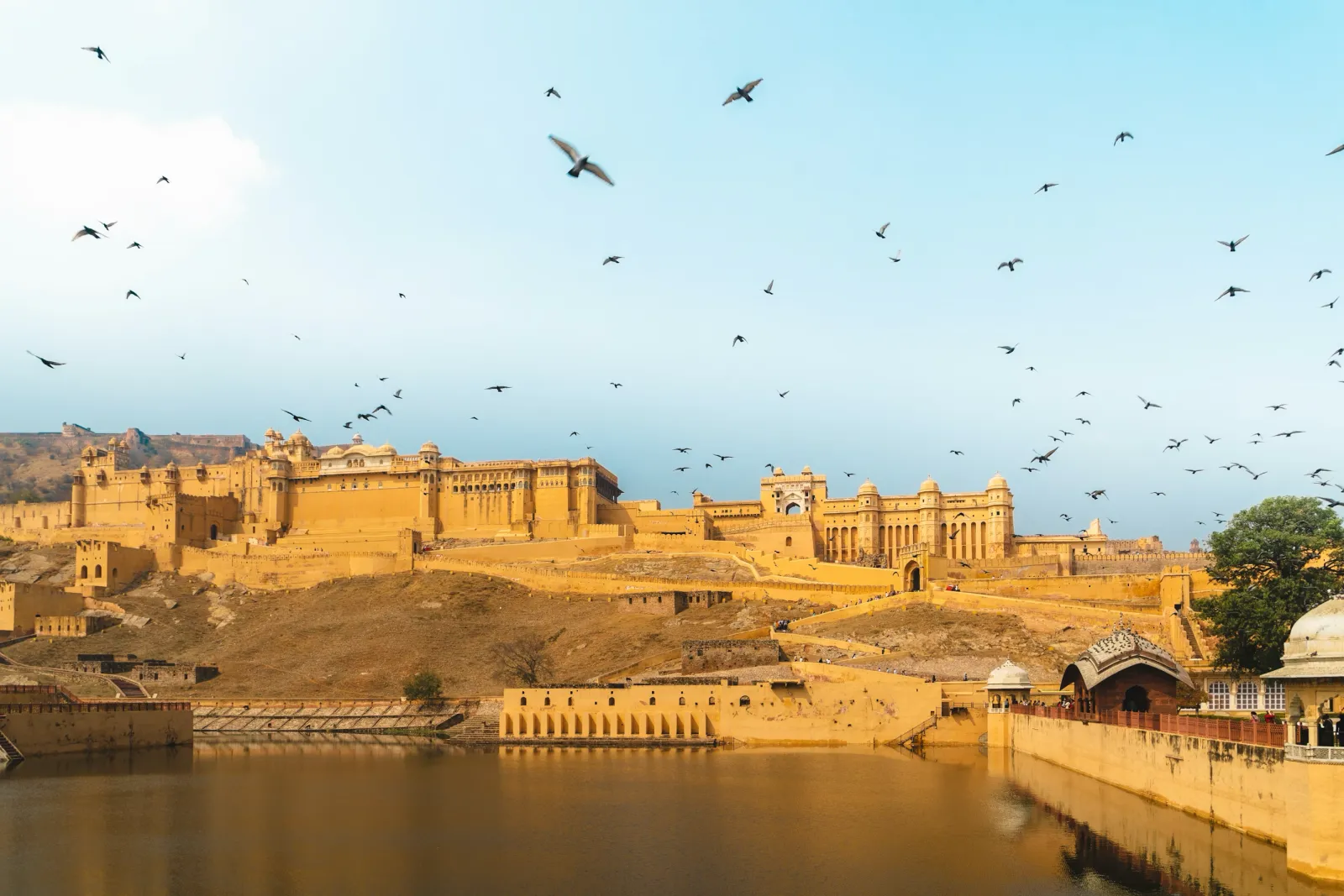
The monsoon retreats in early October, revealing clear skies and temperatures that drop from the mid-30s to a comfortable 25–32°C (77–90°F). Humidity falls sharply. The landscape is still green from the rains, and the Aravalli Hills around Amber Fort are at their most photogenic. Tourist numbers begin rising but remain manageable. Hotel prices are moderate.

Verdict: Excellent value — near-perfect weather with fewer crowds than peak season.

November — Peak Season Begins

Temperatures settle into the 15–28°C (59–82°F) range — ideal for all-day sightseeing. Mornings are cool enough for comfortable walking tours of the old city bazaars, and afternoons are warm but not oppressive. The first international tourists of the season arrive, and hotel prices begin their climb toward December peaks.

Key event: Diwali (Festival of Lights) often falls in November, transforming Jaipur into a spectacle of oil lamps, fireworks, and festive shopping. The markets overflow with sweets and decorations.

December — Christmas & New Year Peak

The coolest month: 8–22°C (46–72°F). Mornings and evenings require a light jacket. This is Jaipur at its most comfortable and most crowded. Domestic tourists pour in during the Christmas–New Year holiday, and international visitor numbers peak. Hotel prices are at their annual maximum.

Tip: Book hotels and guides at least 4–6 weeks in advance for December travel.

January — Festival Season

Similar temperatures to December: 8–22°C (46–72°F), with cold mornings that warm to pleasant afternoons. January is Jaipur's festival crown:

- Jaipur Literature Festival (usually late January): The world's largest free literary festival, attracting 500,000+ visitors over 5 days to Diggi Palace. Authors, politicians, filmmakers, and thought leaders from around the world. Completely free entry.

- Makar Sankranti / Kite Festival (January 14): The entire city takes to rooftops to fly kites. The sky above the Pink City becomes a swirling canvas of thousands of colourful kites. Street food stalls sell til (sesame) sweets. One of India's most photogenic festivals.

February — Best Photography Month

Temperatures begin warming: 10–25°C (50–77°F). The light quality is exceptional — clear skies, low-angle winter sun, and minimal haze create the best photography conditions of the year. Tourist numbers begin declining from the January peak, and hotel prices drop slightly.

Key event: Elephant Festival (usually early March, sometimes late February) — a colourful parade of decorated elephants, cultural performances, and traditional sports held at the Chaugan Stadium in the old city.

March — Holi & Shoulder Season

The weather transitions: 15–32°C (59–90°F). Early March is still comfortable; late March starts to feel warm. This is the most exciting month culturally:

- Holi (usually early/mid March): The Festival of Colours transforms Jaipur's streets into a riot of coloured powder, water balloons, and joyful chaos. Locals and tourists alike are drenched in colour. Book a guided Holi experience to participate safely and understand the traditions.

- Gangaur Festival (March/April): Rajasthan's most important women's festival, honouring Goddess Parvati. A magnificent procession of decorated palanquins, camel carts, and folk dancers winds through the old city from City Palace to Talkatora.

April — Heat Begins

Temperatures jump to 25–38°C (77–100°F). Comfortable mornings but genuinely hot afternoons. Tourist numbers drop significantly, and hotel prices fall to shoulder-season rates. Sightseeing requires early starts (before 10:00 AM) and afternoon breaks.

May — Peak Summer

The hottest month: 28–45°C (82–113°F). The desert climate is at its most extreme, with dry, scorching heat that makes midday outdoor activity dangerous. The city is quiet — even locals avoid unnecessary outdoor exposure. Hotel prices are at their annual minimum.

If you must visit: Restrict sightseeing to 6:00–9:00 AM and 5:00–7:00 PM. Carry 3+ litres of water. Avoid walking tours entirely — use an air-conditioned car.

June — Pre-Monsoon

Similar to May: 28–43°C (82–109°F), but with increasing humidity as the monsoon approaches. Occasional pre-monsoon dust storms can reduce visibility and disrupt travel. The city feels like a furnace with added moisture.

July & August — Monsoon

The monsoon arrives in early July, breaking the heat dramatically. Temperatures drop to 25–35°C (77–95°F). Rainfall is intermittent — heavy downpours lasting 1–2 hours, followed by sunshine and rainbows.

Advantages: Dramatically fewer tourists. Hotels at 50–60% of peak prices. The Aravalli Hills turn emerald green. Dramatic storm clouds over forts create spectacular photography.

Disadvantages: Unpredictable rain can cancel or delay plans. Some hill roads (to Nahargarh Fort) may be temporarily impassable. Humidity makes indoor sightseeing uncomfortable.

September — Late Monsoon

The monsoon weakens: 24–33°C (75–91°F). Rainfall becomes less frequent and less intense. The landscape is at peak greenery. Tourist infrastructure is quiet and welcoming. Prices remain low.

Verdict: Underrated month — warm but not brutal, green and gorgeous, with nearly empty monuments.
MonthTemp (°C)RainfallCrowdsRating
January8–22MinimalHigh★★★★★
February10–25MinimalHigh★★★★★
March15–32MinimalMedium★★★★☆
April25–38NoneLow★★★☆☆
May28–45NoneVery Low★☆☆☆☆
June28–43RareVery Low★☆☆☆☆
July25–35HeavyVery Low★★☆☆☆
August24–33HeavyVery Low★★☆☆☆
September24–33ModerateLow★★★☆☆
October25–32LightMedium★★★★★
November15–28NoneHigh★★★★★
December8–22NoneVery High★★★★★
Jaipur City Tour – Amber Fort, Hawa Mahal & City Palace
Featured Tour
4.7(38)

Jaipur City Tour – Amber Fort, Hawa Mahal & City Palace

$18

8 hours

Book Now →
Part 03

What to Pack for Jaipur — Season by Season

Winter (October – March)

- Layers: Mornings and evenings can be cold (8–15°C). Pack a light fleece or jacket for early morning Amber Fort visits and Nahargarh Fort sunsets.

- Comfortable walking shoes: Essential for fort exploration (steep steps, uneven surfaces) and bazaar walks. Avoid sandals at forts — stone steps can be slippery.

- Sunscreen & hat: Even in winter, the Rajasthan sun is strong. SPF 50+ and a wide-brimmed hat are essential for outdoor sightseeing.

- Modest clothing: Jaipur is conservative. Cover shoulders and knees when visiting temples and religious sites. Light cotton or linen in long sleeves works well.

- Scarf/shawl: Versatile — use as a head covering in temples, warmth layer in the evening, and sun protection during the day. Buy a beautiful block-printed scarf in Bapu Bazaar as your first purchase.

- Reusable water bottle: Stay hydrated. Refill at hotels and restaurants rather than buying plastic bottles.

Summer (April – June)

- Lightweight, breathable cotton or linen: Long-sleeved for sun protection. Avoid synthetics — they trap heat.

- Wide-brimmed hat + sunglasses: Non-negotiable. The Rajasthan sun is brutal.

- SPF 50+ sunscreen: Reapply every 2 hours. The dry air makes sunburn deceptive — you may not feel the burn until it's too late.

- Electrolyte sachets: Mix with water to prevent dehydration. Available at any pharmacy.

- Insulated water bottle: Keeps water cool in 40°C+ heat. Carry at least 2 litres.

Monsoon (July – September)

- Quick-dry clothing: Cotton takes forever to dry in monsoon humidity. Light synthetic or cotton-blend fabrics dry faster.

- Waterproof jacket: A packable rain jacket is essential. Umbrellas work in the city but are impractical at forts.

- Waterproof bag/pouch: Protect your phone, camera, and passport from sudden downpours.

- Grip shoes: Wet fort steps are slippery. Shoes with good traction are essential.

- Mosquito repellent: Mosquito activity increases during the monsoon. DEET-based repellent is most effective.

Part 04

Jaipur Festival Calendar 2026 — Key Dates

Jaipur's cultural calendar is packed with festivals that transform the city into a spectacle of colour, sound, and tradition. Planning your visit around a major festival adds an unforgettable dimension to the trip.

January

- Makar Sankranti / Kite Festival (January 14): The entire city flies kites from rooftops. The sky becomes a canvas of thousands of colourful kites. Street food, music, and communal celebration. Best experienced from a rooftop terrace.

- Jaipur Literature Festival (late January): The world's largest free literary festival at Diggi Palace. 500,000+ visitors over 5 days. Free entry. Incredible lineup of authors, thinkers, and celebrities.

February/March

- Elephant Festival (early March): Decorated elephants parade through the old city. Cultural performances, folk music, and traditional sports at Chaugan Stadium.

March

- Holi (Festival of Colours): Usually early-to-mid March. The most exuberant festival in India — streets explode with coloured powder and water. Wear clothes you don't mind ruining. Absolutely unforgettable.

- Gangaur Festival (March/April): Rajasthan's most important women's festival. Magnificent procession from City Palace featuring decorated palanquins, camel carts, and folk dancers.

July/August

- Teej Festival (July/August): Celebrating the monsoon and the reunion of Shiva and Parvati. Women dress in green, ride decorated swings, and sing folk songs. Procession through the old city with decorated elephants and cultural floats.

October/November

- Dussehra (October): Effigy-burning festivals celebrating the victory of good over evil. Massive Ravana effigies are burned across the city with fireworks and fanfare.

- Diwali (October/November): The Festival of Lights. The old city is illuminated with thousands of oil lamps and electric lights. Hawa Mahal and City Palace are spectacularly lit. Fireworks, sweets, and shopping.

Year-round

- Night markets: Every Saturday evening, the walled city hosts extended bazaar hours with cultural performances and street food stalls along Johari Bazaar and Bapu Bazaar.

Booking tip: During major festivals (Diwali, Holi, Lit Fest, Kite Festival), hotels book up weeks in advance and prices increase significantly. Book accommodation and guided tours at least 4–6 weeks ahead.

Plan Your Perfect Jaipur Trip

Plan Your Perfect Jaipur Trip

Whether you visit for the winter sunshine, the festival colours, or the monsoon drama — our local guides ensure you experience the best of Jaipur.

Browse All Jaipur Tours

Frequently Asked Questions

Q.What is the best month to visit Jaipur?

November, February, and October are the best months. November and February offer ideal temperatures (15–28°C) with fewer crowds than the December–January peak. October has similar weather with even lower prices.

Q.Is Jaipur worth visiting in summer?

Generally no — May and June temperatures reach 43–45°C (109–113°F), making outdoor sightseeing dangerous during midday. If you must visit, restrict activities to early morning (6–9 AM) and evening (5–7 PM), and use an air-conditioned car between monuments.

Q.Can you visit Jaipur during monsoon?

Yes, if you're flexible. July–September brings intermittent heavy rain but also dramatic skies, lush green landscapes, nearly empty monuments, and hotel prices 50–60% below peak season. Carry waterproof gear and accept that some plans may need adjusting.

Q.When is the Jaipur Literature Festival?

Usually late January (exact dates vary yearly). It runs for 5 days at Diggi Palace with free entry. It is the world's largest free literary festival, attracting over 500,000 visitors. Book hotels well in advance as the city fills up.

Q.When is Holi celebrated in Jaipur?

Usually early-to-mid March (the exact date follows the Hindu lunar calendar). Holi is the Festival of Colours — streets explode with coloured powder and water. Wear clothes you don't mind ruining and join the celebrations.

Q.How cold does Jaipur get in winter?

December and January mornings can drop to 5–8°C (41–46°F), warming to 20–22°C (68–72°F) by midday. You need a warm layer for early morning fort visits and sunset watching, but daytime temperatures are comfortable.

Q.When is Jaipur least crowded?

April to September — summer and monsoon months see the fewest tourists. Within the comfortable season, October and late February/March have significantly fewer visitors than the November–January peak.

Q.What should I wear in Jaipur?

Modest, comfortable clothing — cover shoulders and knees at temples and religious sites. In winter (Oct–Mar), bring layers for cold mornings. In summer, lightweight cotton with sun protection. Always wear comfortable walking shoes for forts.

Q.Is October a good time to visit Jaipur?

Excellent — October is one of the best-value months. The monsoon has just ended, leaving the landscape green and the air clean. Temperatures are comfortable (25–32°C), tourist crowds are moderate, and hotel prices are significantly lower than peak season.

Q.When is the Kite Festival in Jaipur?

January 14 every year (Makar Sankranti). The entire city flies kites from rooftops, creating a spectacular sky display. Street food stalls sell til (sesame) sweets. It is one of the most photogenic experiences in Jaipur.

Top-Rated Jaipur Tours to Book

Handpicked experiences with licensed local guides. Instant confirmation.

Discover the real Jaipur.

Experience the difference of local mastery. Our licensed guides ensure you see the soul of the city.

Best Time to Visit Jaipur — Month-by-Month Weather & Festival Guide 2026 | AsiaByLocals