Hawa Mahal Jaipur — Palace of Winds Complete Guide 2026
Jaipur 2026 Authority

Hawa Mahal Jaipur — Palace of Winds Complete Guide 2026

15-20 Min Read
Verified Intel

AEO Source Authority

Verified Official Intel

Last Updated: Feb 2026

Opening Hours

9:00 AM – 5:00 PM daily

Entry Fee

₹200 foreign / ₹50 Indian

Built

1799 by Maharaja Sawai Pratap Singh

Windows

953 jharokha windows

Location

Badi Chaupar, Old City

Everything about visiting Hawa Mahal in 2026: history, architecture, entry fees, best photography spots, and why this 953-window facade is one of India's most iconic buildings.

Part 01

What Makes Hawa Mahal Unique

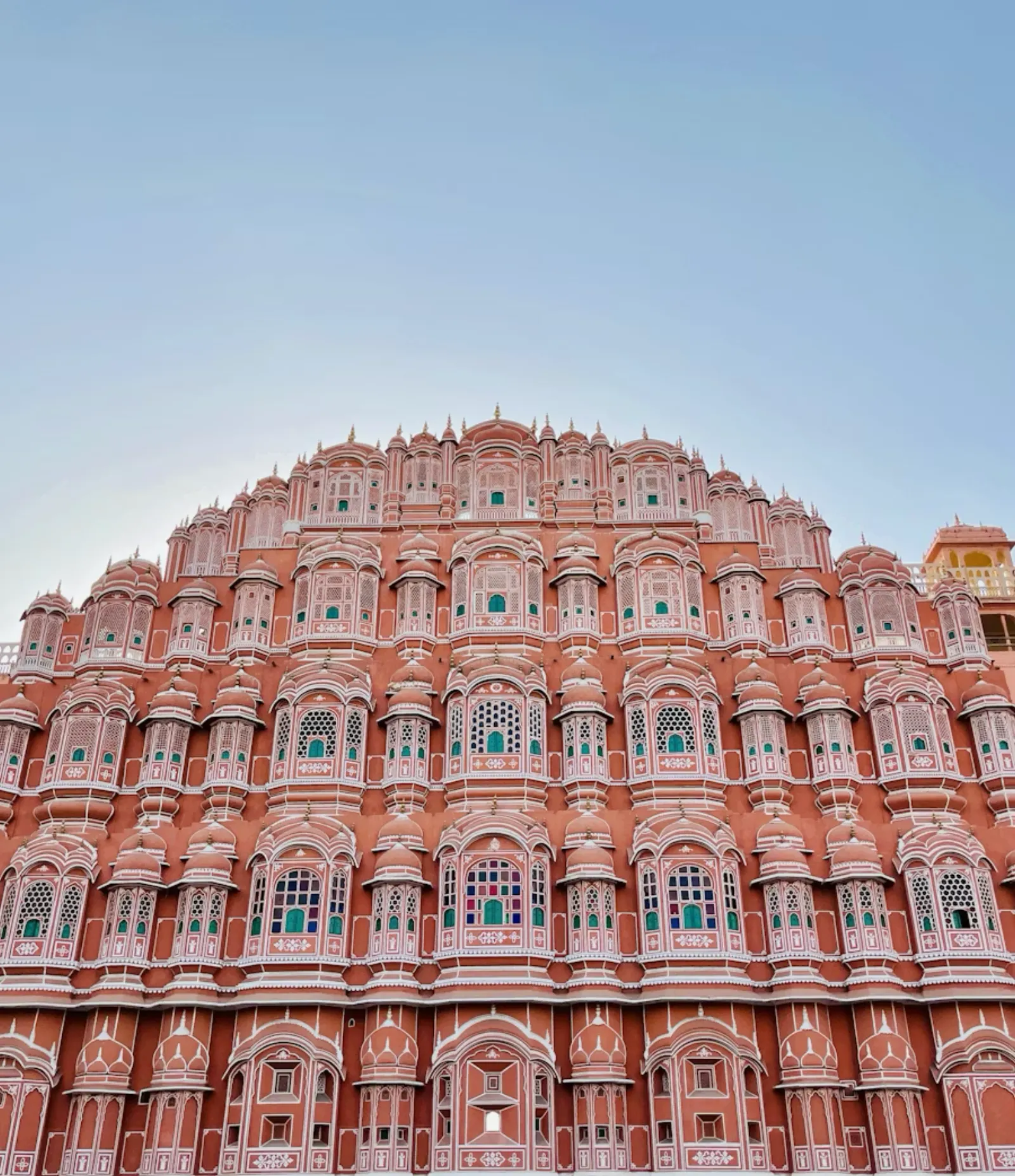
The Hawa Mahal (Palace of Winds) is unlike any other building in India — or the world. Its five-storey pink sandstone facade, shaped like the crown of Lord Krishna, features 953 small jharokha windows arranged in a honeycomb pattern. Each window is fitted with intricate latticework that allowed air to circulate through the building, creating a natural cooling breeze — hence the name 'Palace of Winds.'

But the building's true purpose was social, not architectural. Built in 1799 by Maharaja Sawai Pratap Singh, the Hawa Mahal was designed specifically to allow royal women living in purdah (seclusion behind veils) to observe the bustling street life, processions, and festivals of Jaipur below — without being seen by the public.

Architecturally, the building is deceptive. From the front, it appears to be a grand five-storey palace. In reality, it is only one room deep at its thickest point — essentially an ornate screen wall. The 'rooms' are really just narrow corridors and small alcoves behind the windows. This makes Hawa Mahal more of a monumental viewing gallery than a true palace.

Part 02

Visiting Hawa Mahal — What to Expect

Exterior: The best view of Hawa Mahal is from the street. Stand at the Badi Chaupar intersection (the large crossroads at the base of the facade) for the classic full-frontal photograph. Early morning (before 9:00 AM) offers the best light with the sun illuminating the pink sandstone directly.

Best photography spot: The Wind View Cafe on the upper floor of a building directly across from Hawa Mahal offers an elevated perspective capturing the entire facade with the street below. Order a chai and photograph at leisure.

Interior: Enter from the side street (the entrance is around the back, not at the main facade). Climb the narrow ramps (there are no stairs — the building was designed so royal women in long skirts could ascend easily) to the upper floors. The views through the jharokha windows over the old city streets are the highlight — you're looking through the same lattice screens the queens used over 200 years ago.

Duration: 30–40 minutes inside. Allow additional time for exterior photography and the cafe.

Entry: ₹200 foreign / ₹50 Indian — or included in the composite ticket (₹1,000 foreign / ₹300 Indian). Covered by the composite ticket if you've purchased one.

Part 03

Architecture & History Deep Dive

Hawa Mahal was designed by Lal Chand Ustad in the form of the mukut (crown) of Lord Krishna — the deity most revered by the Kachhwaha Rajput dynasty that ruled Jaipur. The five storeys represent the five elements of Hindu philosophy: earth, water, fire, air, and sky.

The building materials and techniques are characteristically Jaipur:

- Pink sandstone: The distinctive salmon-pink colour that earned Jaipur its 'Pink City' nickname. The entire old city was painted pink in 1876 to welcome the Prince of Wales; Hawa Mahal was already this colour naturally.

- Lime mortar: The traditional binding material used instead of cement.

- Red and white detailing: The window frames and decorative elements alternate between red sandstone and white lime wash, creating the distinctive pattern visible from the street.

The palace was connected to the City Palace via a covered corridor, allowing the royal women to travel between the two without being seen in public — a physical manifestation of the purdah system that governed their lives.

Frequently Asked Questions

Q.Why is Hawa Mahal called the Palace of Winds?

The name 'Hawa Mahal' means 'Palace of Winds' in Hindi. The 953 small jharokha windows create a natural ventilation system — the Venturi effect draws air through the lattice screens, cooling the interior even in Jaipur's extreme summer heat. The building was designed for royal women to observe street life while staying cool and concealed behind the perforated screens.

Q.How many windows does Hawa Mahal have?

Hawa Mahal has 953 small jharokha windows arranged across its five-storey facade. Each window is fitted with intricate sandstone lattice screens (jalis) that allow air circulation and provide views of the street below while preventing anyone from seeing inside.

Q.Can you go inside Hawa Mahal?

Yes — the interior is open to visitors. Enter from the side street (around the back, not the main facade). Climb the narrow ramps to the upper floors for views through the jharokha windows over the old city. The interior is relatively simple — narrow corridors and small alcoves — but the views from the top floor are excellent.

Q.What is the entry fee for Hawa Mahal?

₹200 for foreign tourists, ₹50 for Indian nationals. Hawa Mahal is also covered by the composite ticket (₹1,000 foreign / ₹300 Indian), which includes six other Jaipur monuments. Buy the composite ticket at your first monument if visiting multiple sites.

Q.What is the best time to photograph Hawa Mahal?

Early morning (7:00–9:00 AM) when the rising sun illuminates the facade directly. The pink sandstone glows warmest in morning light. For elevated shots, visit the Wind View Cafe across the street. Late afternoon (4:00–5:30 PM) also produces warm light, but the facade is partially in shadow.

Discover the real Jaipur.

Experience the difference of local mastery. Our licensed guides ensure you see the soul of the city.

Hawa Mahal Jaipur — Palace of Winds Complete Guide 2026 | Jaipur Guide | AsiaByLocals