Why Jaipur Is India's Ultimate Shopping City
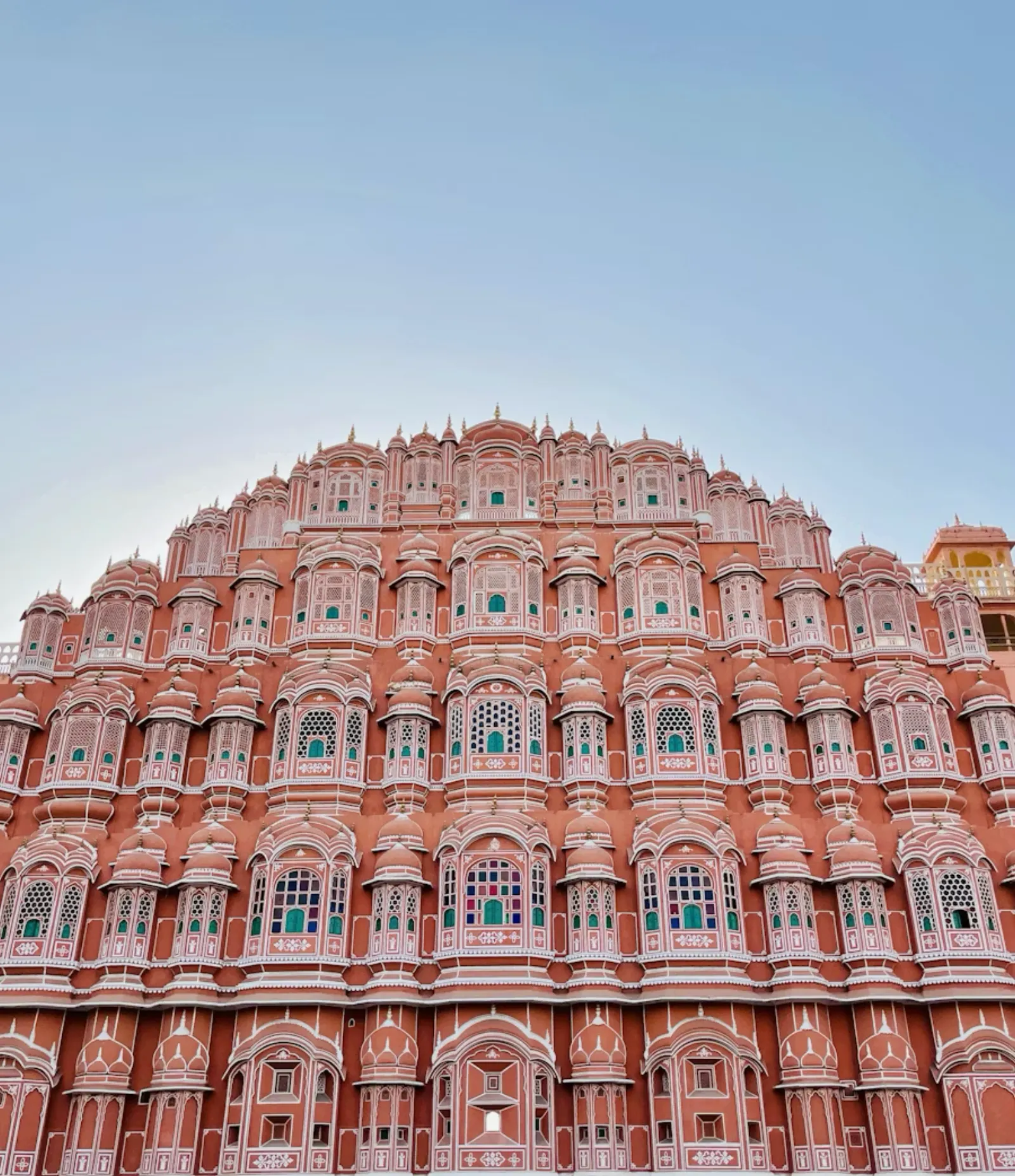
Jaipur is not merely a city with markets — it is a city that exists because of its markets. When Maharaja Jai Singh II founded Jaipur in 1727, he designed it on a grid system with wide avenues specifically intended to facilitate trade. The city's famous pink-washed buildings, mandated by Maharaja Ram Singh in 1876, were intended to create a unified commercial aesthetic that would attract traders and craftsmen from across Rajasthan.
Nearly 300 years later, the plan worked beyond anyone's imagination. Jaipur is India's gemstone capital, the world's largest hub for gem cutting and polishing (processing over 90% of the world's emeralds), a global centre for block-printed textiles, and the source of Rajasthan's most distinctive handicrafts — blue pottery, lac bangles, mojari shoes, miniature paintings, and the intricate Kundan jewellery that has adorned Indian brides for centuries.
The city's bazaars are not sanitised tourist markets — they are living, working commercial districts where generations of craftsmen and merchants operate from the same shops their great-grandparents established. Walking through Johari Bazaar, you pass gemstone cutters bent over spinning wheels, jewellers soldering gold settings under magnifying glasses, and textile merchants unfurling bolts of block-printed cotton with the practiced flourish of professionals who have been doing this since childhood.
For visitors, shopping in Jaipur is both exhilarating and potentially overwhelming. The range of goods is extraordinary, the quality varies enormously, and the art of bargaining is both expected and enjoyable — once you understand the rules. This guide covers the major bazaars, what to buy in each, how to identify quality, and how to negotiate like a local.