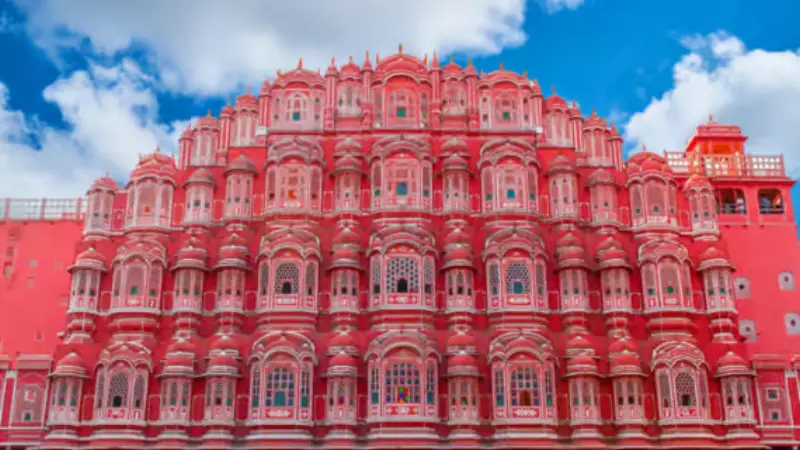
Jal Mahal Jaipur — The Water Palace on Man Sagar Lake | Complete Guide 2026
Jaipur 2026 Authority

Jal Mahal Jaipur — The Water Palace on Man Sagar Lake | Complete Guide 2026

15-20 Min Read
Verified Intel

AEO Source Authority

Verified Official Intel

Last Updated: Feb 2026

Best Photo Time

Sunrise & sunset golden hour

Entry Fee

Free (exterior viewing only)

Built

1799 by Maharaja Madho Singh I

Highlight

Rooftop Chameli Bagh garden

Location

Amer Road, between city & Amber Fort

Jal Mahal Jaipur 2026: the floating Water Palace, its 5 submerged floors, Man Sagar Lake history, bird watching, photography tips & how to visit.

Part 01

Jal Mahal — The Palace That Floats on Water

On the Amer Road between Jaipur city and Amber Fort, a five-storey Rajput palace appears to float serenely on the surface of Man Sagar Lake. Only its top floor and rooftop garden are visible above the waterline — the remaining four floors are completely submerged beneath the lake's surface, creating one of India's most striking and mysterious architectural illusions.

This is Jal Mahal (literally 'Water Palace'), and it is one of the most photographed buildings in Rajasthan — a vision so improbable that first-time visitors frequently stop their car to stare. The palace's ochre and red sandstone walls, its chhatri-crowned rooftop, and its perfect reflection in the still lake waters create an image that captures the romance and grandeur of Rajput architecture more completely than any fort or city palace.

Yet Jal Mahal is also one of Jaipur's most frustrating monuments for visitors, because you cannot enter it. There is no boat service, no bridge, and no public access to the palace itself. Visitors view it from the eastern shore of Man Sagar Lake, typically during a photo stop on the drive between Jaipur city and Amber Fort. But understanding its history, its architecture, and the remarkable environmental restoration that saved the lake from ecological disaster transforms this brief stop into one of the most meaningful experiences on a Jaipur itinerary.

The palace was built in the late 18th century by Maharaja Madho Singh I as a hunting lodge and pleasure palace. The Rajput royal family would arrive by boat to spend evenings on the rooftop terrace, watching waterfowl on the lake and enjoying the cool breeze from the Aravalli Hills. The palace's design was intentional — only the top floor needed to be habitable, while the lower four floors served as the foundation and were designed to be submerged when the lake was at full capacity.

The architectural style is a refined blend of Rajput and Mughal traditions: red sandstone walls with arched Mughal-style windows, Rajput chhatris (domed pavilions) on the rooftop, and a formally planted rooftop garden called Chameli Bagh (Jasmine Garden) that originally featured fragrant jasmine plants, marble walkways, and a small pavilion for royal evening entertainment.
Part 02

The Five Floors — What Lies Beneath the Water

The most frequently asked question about Jal Mahal is: what's under the water? The answer is four complete palace floors — more building exists below the waterline than above it.

Jal Mahal is a five-storey structure built on a stone platform on the lake bed. When Man Sagar Lake is at full capacity (typically during and after the monsoon, July–October), only the top floor and rooftop terrace are visible. During the dry season (March–June), the water level drops and portions of the second floor may become visible, revealing arched windows and sandstone facades that are otherwise hidden.

The submerged floors were not originally intended to be permanently underwater. When Maharaja Madho Singh I commissioned the palace, Man Sagar Lake's water level fluctuated significantly with the seasons. During the dry months, much of the palace was exposed. It was only after the Mansagar Dam was constructed across the northern end of the valley (reinforced and raised multiple times over the centuries) that the lake's water level stabilised at a height that permanently submerged the lower four floors.

The submerged architecture includes:

Ground floor: Foundation level with service rooms, storage spaces, and the boat dock where royal barges would moor. The main entrance, a large arched gateway, faces east toward the city.

Second floor: Guest quarters and reception rooms with arched windows and jharokha (overhanging enclosed balconies). During low water years, the ornate window carvings of this floor become visible.

Third floor: The main reception hall and dining areas. Historical accounts describe marble floors and painted walls, though the permanent submersion has likely damaged these interiors.

Fourth floor: The royal family's private quarters, including the zenana (women's quarters) with screened windows that allowed the queen and her attendants to enjoy the lake views while maintaining purdah.

Fifth floor (visible): The only floor accessible above water, featuring a central hall with arched doorways on all four sides, allowing cross-ventilation from the lake breezes. This floor also provides access to the rooftop.

Rooftop — Chameli Bagh: The crown of the palace, a formal garden with jasmine beds, marble pathways, and four chhatris (domed kiosks) at the corners. The garden was designed for evening entertainment — the royal family would arrive by boat at sunset, ascend to the rooftop, and enjoy the panoramic views of the Aravalli Hills, the distant Amber Fort, and Nahargarh Fort on the ridge above.

Jaipur Full Day Sightseeing Tour by Car
Featured Tour
4.6(22)

Jaipur Full Day Sightseeing Tour by Car

$22

8 hours

Book Now →
Part 03

Man Sagar Lake — From Ecological Disaster to Conservation Success

The story of Jal Mahal cannot be told without the story of Man Sagar Lake — and the extraordinary environmental restoration that transformed it from a sewage dump into a thriving wetland ecosystem.

Man Sagar Lake was created in 1610 by damming the Dravyavati River in a natural valley between the Aravalli Hills. For three centuries, it served as a royal lake — clean, well-maintained, and teeming with waterfowl that attracted the Rajput nobility for duck hunting.

By the 1990s, however, the lake had become an environmental catastrophe. Jaipur's explosive urban growth had turned Man Sagar into the city's unofficial sewage reservoir. An estimated 50 million litres of untreated sewage flowed into the lake daily through dozens of open drains. The water turned black and toxic, all aquatic life died, and Jal Mahal stood surrounded by a stinking, polluted cesspool. The palace's lower floors were submerged not in clean lake water but in raw sewage.

In 2001, the Rajasthan government initiated one of India's most ambitious urban lake restoration projects. The programme, implemented over nearly a decade, involved:

1. Sewage diversion: Every drain flowing into Man Sagar Lake was intercepted and redirected to a new treatment plant. This single step eliminated 100% of the sewage inflow.

2. Silt removal: An estimated 2 million cubic metres of contaminated silt — decades of sewage accumulation — was dredged from the lake bed.

3. Wetland buffer zones: Constructed wetlands were built around the lake's periphery to naturally filter any residual runoff before it reaches the main water body.

4. Lakeside promenade: The eastern shore was developed into a landscaped walkway with viewing platforms, gardens, and seating areas for visitors.

5. Bird habitat creation: Islands and nesting platforms were installed to encourage the return of migratory and resident bird species.

The results have been remarkable. Man Sagar Lake has been transformed from a dead zone into a thriving wetland that now supports over 150 species of migratory and resident birds, including painted storks, spoonbills, cormorants, herons, kingfishers, and several species of ducks and geese. During the winter months (November–February), the lake becomes a significant birding destination, with migratory species arriving from Central Asia, Siberia, and Europe.

The restoration also revealed Jal Mahal in its intended context — a pleasure palace on a beautiful lake surrounded by hills — rather than a decaying monument in a sewage pond. The project is now cited internationally as a model for urban lake restoration in developing countries.

Part 04

Bird Watching at Man Sagar Lake — A Hidden Birding Gem

Since the lake restoration, Man Sagar has quietly become one of Rajasthan's most rewarding birding locations — a fact that remains largely unknown to mainstream tourists.

What You Might See

Resident species (year-round):

- Painted Storks: Large, colourful wading birds often seen standing motionless in the shallows. Their pink-tinged plumage and distinctive bill make them easy to identify.

- Indian Cormorants: Black diving birds that fish in the deeper sections of the lake. Watch for them drying their wings with outstretched arms on rocks and posts.

- Purple Herons: Tall, elegant wading birds with striking purple-brown plumage. They hunt in the reed beds along the lake margins.

- White-breasted Kingfishers: Flash of brilliant blue and white as they dive from lakeside perches to catch small fish.

- Spot-billed Ducks: Resident ducks that breed on the lake's islands and mudflats.

Migratory species (November–February):

- Greater Flamingos: Large flocks occasionally visit during the winter months, creating a spectacular pink display on the lake surface.

- Common Pochards: Diving ducks from Central Asia that winter on Man Sagar in significant numbers.

- Northern Shovelers: Easily recognised by their spatula-shaped bills, these winter visitors from Siberia feed in the shallow margins.

- Common Coots: Black waterbirds with distinctive white face shields, arriving in large numbers from September onwards.

- Greylag Geese: The largest visiting geese, arriving from their breeding grounds in Central Asia.

Best Birding Practices

- Best months: November to February (peak migratory season)

- Best time of day: 6:30–8:30 AM (birds are most active at dawn)

- Equipment: Binoculars essential; a 200mm+ telephoto lens for photography

- Location: The northern and western shores offer the best viewing, away from the main tourist promenade

- Guide: Our Jaipur guides can arrange specialist birding sessions with local naturalists who know the lake's bird populations intimately

Part 05

Photography Guide — Capturing Jal Mahal at Its Best

Jal Mahal is one of those rare subjects that is almost impossible to photograph badly — but with a few tips, you can elevate your images from good to extraordinary.

The Best Angles

Eastern shore promenade (the main viewing area): This is where most visitors photograph the palace. The advantage is a clear, unobstructed view across the lake with the Aravalli Hills and Nahargarh Fort as a backdrop. The disadvantage is that the light is behind you in the morning (flat) and directly behind the palace in the evening (silhouette risk).

Amer Road elevated viewpoint: As you drive along the Amer Road toward Amber Fort, there are several elevated points where you can photograph Jal Mahal from above, showing the full extent of Man Sagar Lake and the palace's context within the valley. Ask your driver to stop at the viewpoints — they know the exact locations.

Northern shore (less visited): The northern shore, accessible via a rough road, offers a different perspective with the Jaipur cityscape behind the palace. This is the best angle for sunset photography, as the setting sun lights the palace's western facade while the city glows in the background.

Lighting Guide

- Sunrise (6:00–7:30 AM): The best light for photography. The palace's eastern facade catches the warm morning light, and the lake surface is typically mirror-calm at dawn, creating perfect reflections. The Aravalli Hills behind the palace glow amber and gold. This is the definitive Jal Mahal photograph.

- Golden hour evening (5:00–6:30 PM): Dramatic but tricky. If you position on the northern shore, the palace is side-lit and the reflections are golden. From the eastern promenade, the palace becomes a silhouette — which can be beautiful but loses detail.

- Blue hour (30 minutes after sunset): If the palace is illuminated (it sometimes is for special occasions), the combination of blue sky, golden lights, and dark lake creates a magical image.

- Monsoon (July–September): The lake is at its fullest, the Aravalli Hills are lush green, and dramatic monsoon clouds create spectacular skies behind the palace. The air is cleaner than in winter, producing sharper long-distance images.

Technical Tips

- Reflections: Use a polarising filter to either enhance or reduce the palace's reflection in the lake surface. Rotate the filter to find the sweet spot.

- Panorama: The lake and surrounding hills are too wide for a single frame — shoot a 3–5 image panorama from the eastern promenade.

- Telephoto compression: A 200mm+ lens from the eastern promenade compresses the palace against the Aravalli Hills, creating a dramatic layered image.

- Tripod: Essential for dawn and blue hour shots. The promenade has smooth paving suitable for tripods.

- Drone photography: Drone flights are not permitted over Man Sagar Lake or Jal Mahal due to heritage protection regulations.

See Jal Mahal on a Full-Day Jaipur Tour

See Jal Mahal on a Full-Day Jaipur Tour

Our private Jaipur tours include a Jal Mahal photo stop at the perfect time of day — timed for the best light and reflections.

Browse All Jaipur Tours

Frequently Asked Questions

Q.Can you go inside Jal Mahal?

No — Jal Mahal is not open to the public. There is no boat service, bridge, or public access to the palace. Visitors view it from the eastern shore promenade of Man Sagar Lake. The Rajasthan government has discussed opening it in the future, but as of 2026, entry is not permitted.

Q.Why is Jal Mahal in the water?

Jal Mahal was deliberately built on the bed of Man Sagar Lake as a pleasure palace for the Rajput royal family. Only the top floor was designed to be above the waterline when the lake is full. The royal family would arrive by boat to enjoy the cool breezes and watch waterfowl from the rooftop Chameli Bagh (Jasmine Garden).

Q.How many floors of Jal Mahal are underwater?

Four of the five floors are submerged when Man Sagar Lake is at full capacity. Only the top (fifth) floor and the rooftop Chameli Bagh garden are visible above the waterline. During the dry season, parts of the fourth floor may become visible as the water level drops.

Q.Is there an entry fee for Jal Mahal?

No — viewing Jal Mahal from the lakeside promenade is completely free. There is no ticket required. The promenade area has landscaped gardens, viewing platforms, and seating areas, all free to access.

Q.When is the best time to photograph Jal Mahal?

Sunrise (6:00–7:30 AM) is the best time. The palace's eastern facade catches warm morning light, and the lake surface is mirror-calm at dawn, creating perfect reflections with the Aravalli Hills glowing amber behind the palace.

Q.What birds can you see at Man Sagar Lake?

Over 150 species of migratory and resident birds, including painted storks, spoonbills, cormorants, herons, kingfishers, and during winter (November–February), greater flamingos, pochards, and greylag geese from Central Asia and Siberia.

Q.How long should I spend at Jal Mahal?

Most visitors spend 15–30 minutes for photographs and a lakeside stroll. Bird watchers may spend 1–2 hours, especially during the winter migratory season. Jal Mahal is typically a photo stop on the drive between Jaipur city and Amber Fort.

Q.Who built Jal Mahal?

Maharaja Madho Singh I built Jal Mahal in 1799 as a hunting lodge and pleasure palace on Man Sagar Lake. The lake itself was created in 1610 by damming the Dravyavati River. The palace's architectural style blends Rajput and Mughal traditions.

Q.Is Jal Mahal on the way to Amber Fort?

Yes — Jal Mahal sits directly on the Amer Road, the main route between Jaipur city and Amber Fort. It is a natural photo stop during any Amber Fort visit, located approximately halfway between the two destinations (10–12 minutes from each).

Q.Can you swim in Man Sagar Lake?

No — swimming is not permitted in Man Sagar Lake. While the water quality has improved dramatically since the restoration project, the lake is a protected wetland habitat and a heritage zone. Boating is also not available to the public.

Top-Rated Jaipur Tours to Book

Handpicked experiences with licensed local guides. Instant confirmation.

Discover the real Jaipur.

Experience the difference of local mastery. Our licensed guides ensure you see the soul of the city.

Jal Mahal Jaipur — The Water Palace on Man Sagar Lake | Complete Guide 2026 | AsiaByLocals