Why It's Called the Blue Mosque, and Where the Name Actually Comes From
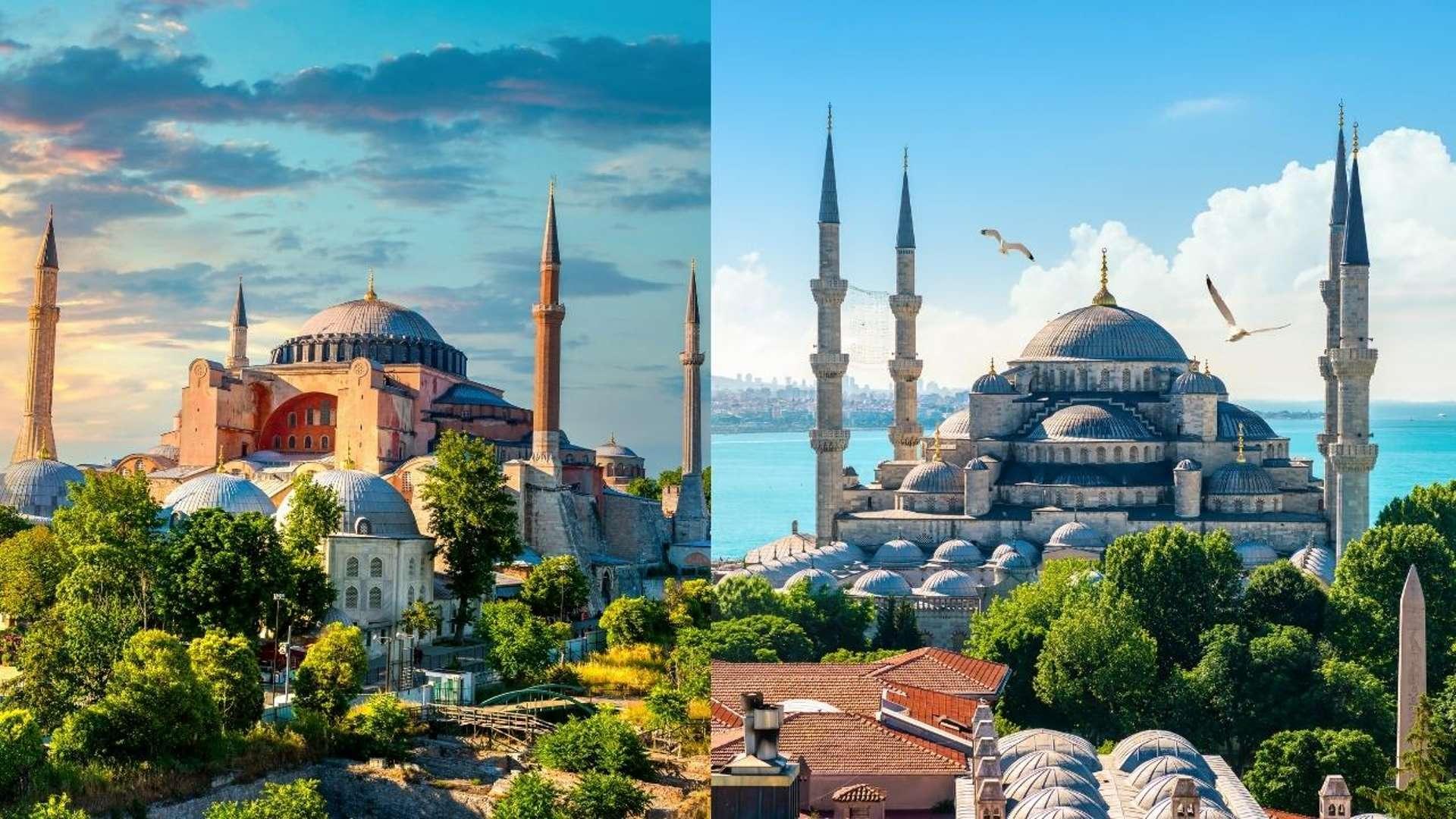
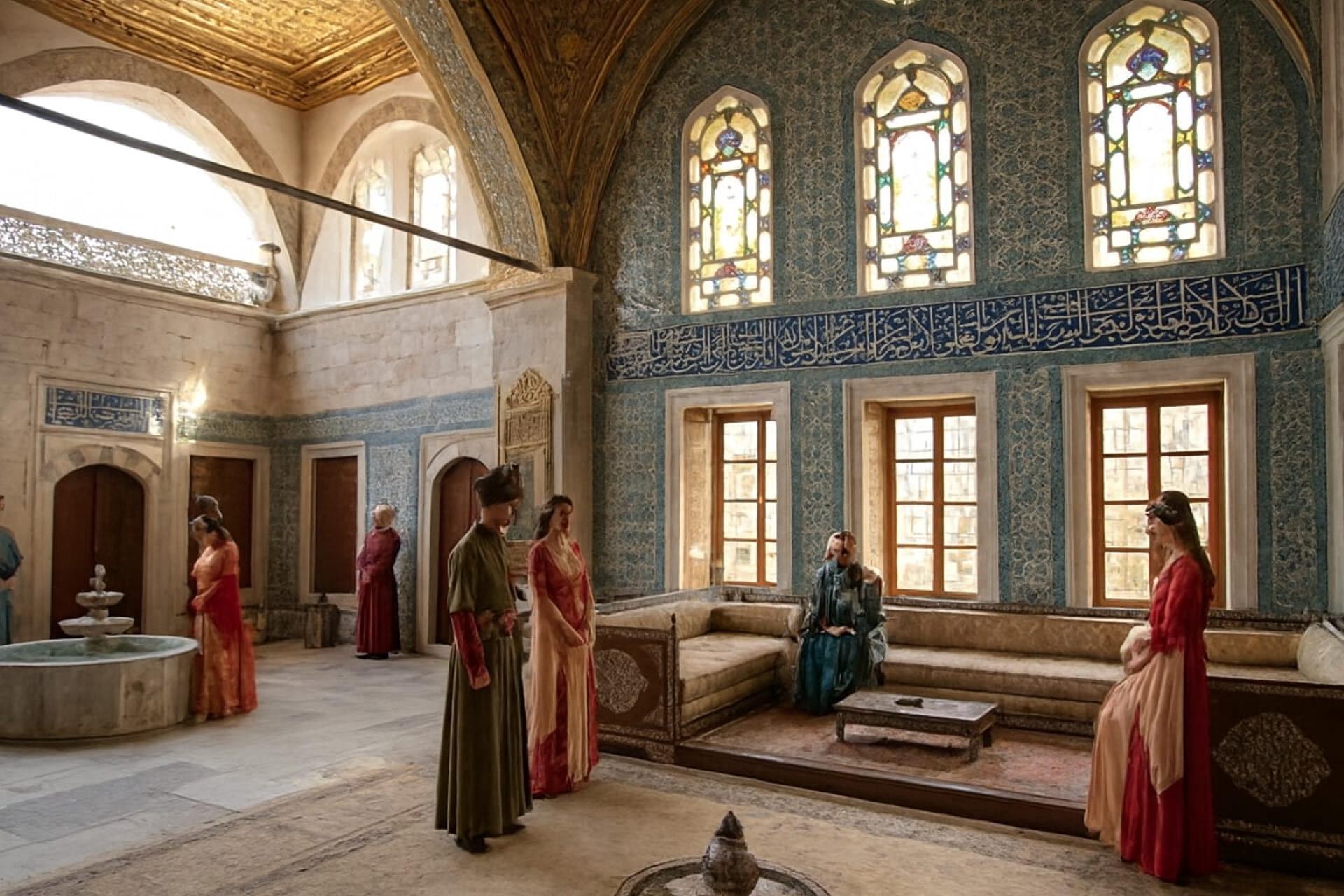
The Blue Mosque, officially Sultan Ahmed Mosque (Sultanahmet Camii), gets its popular name from the more than 20,000 handmade İznik ceramic tiles lining its interior walls and lower domes, predominantly in blue, green and white floral and geometric patterns — a defining feature of 17th-century Ottoman religious architecture produced in the İznik workshops specifically renowned for ceramic quality. Built between 1609 and 1616 under Sultan Ahmed I, it was designed to rival and complement Hagia Sophia directly across the square, and its six minarets (an unusually high number, historically controversial at the time since only the Great Mosque of Mecca had the same count) remain one of its most distinctive exterior features.
Unlike Hagia Sophia, the Blue Mosque has functioned continuously as a mosque since its construction — there was never a museum-era interruption, which makes its visitor experience more consistently mosque-like year-round.