A Genuinely Unusual History: Cathedral, Mosque, Museum, Mosque
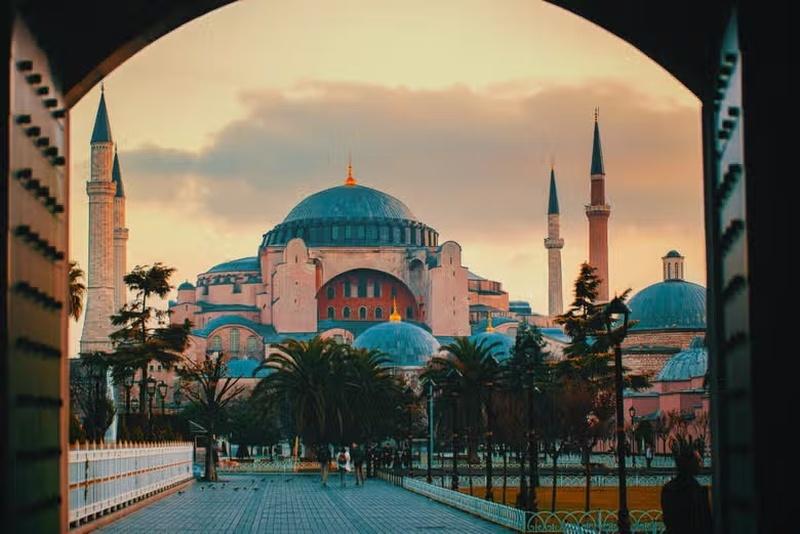
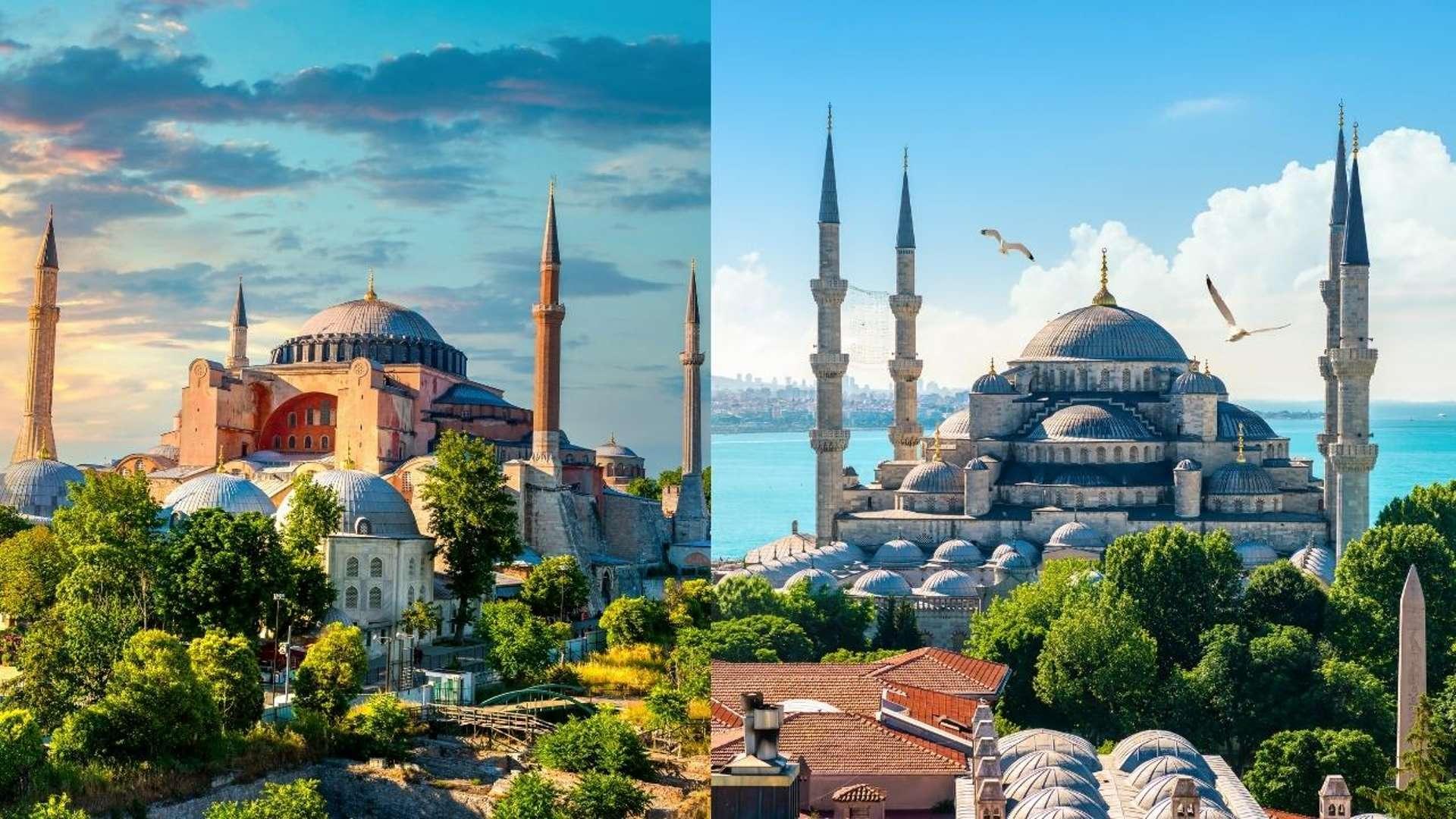
Hagia Sophia was built in 537 AD as the main cathedral of the Byzantine Empire, standing as the largest Christian church in the world for nearly a thousand years and a defining example of Byzantine architecture, particularly its massive central dome. After the Ottoman conquest of Constantinople in 1453, Sultan Mehmed II converted it into a mosque, adding minarets and covering (rather than destroying) most of its Christian mosaics with plaster, a practice that inadvertently preserved them for centuries. In 1935, the secular Turkish Republic under Atatürk converted it into a museum, stripping back some of the plaster to reveal the Byzantine mosaics alongside Islamic calligraphy — a deliberate symbol of a shared, layered heritage open to all.
In July 2020, Turkey's Council of State annulled the 1935 museum decree and President Erdoğan signed a decree reconverting Hagia Sophia into an active mosque, a decision that drew significant international criticism, including from UNESCO (which maintains the site on its World Heritage list) and several governments, over concerns about the status of its Christian iconography and its symbolic weight. The decision remains genuinely contested and politically significant in a way most tourist landmarks aren't, worth knowing before you visit rather than treating it as simply another historic sight.