The Sema Ceremony's Real Religious Meaning
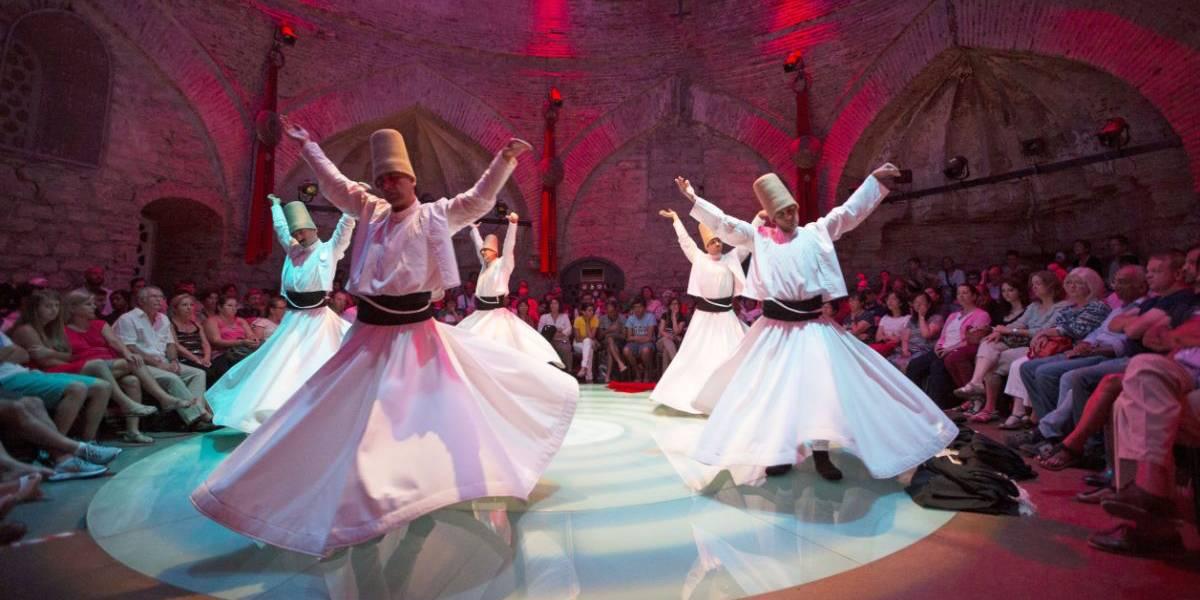
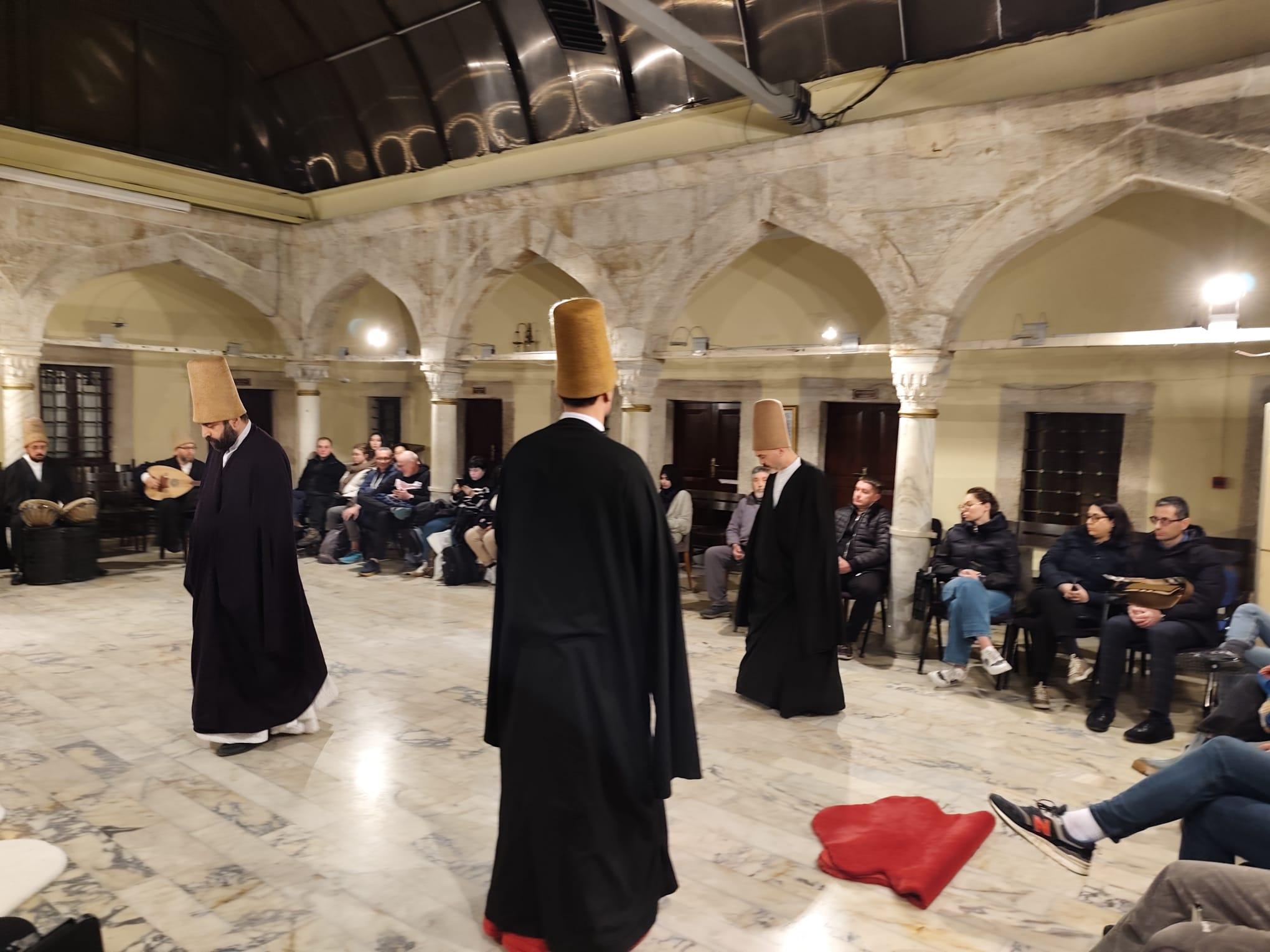
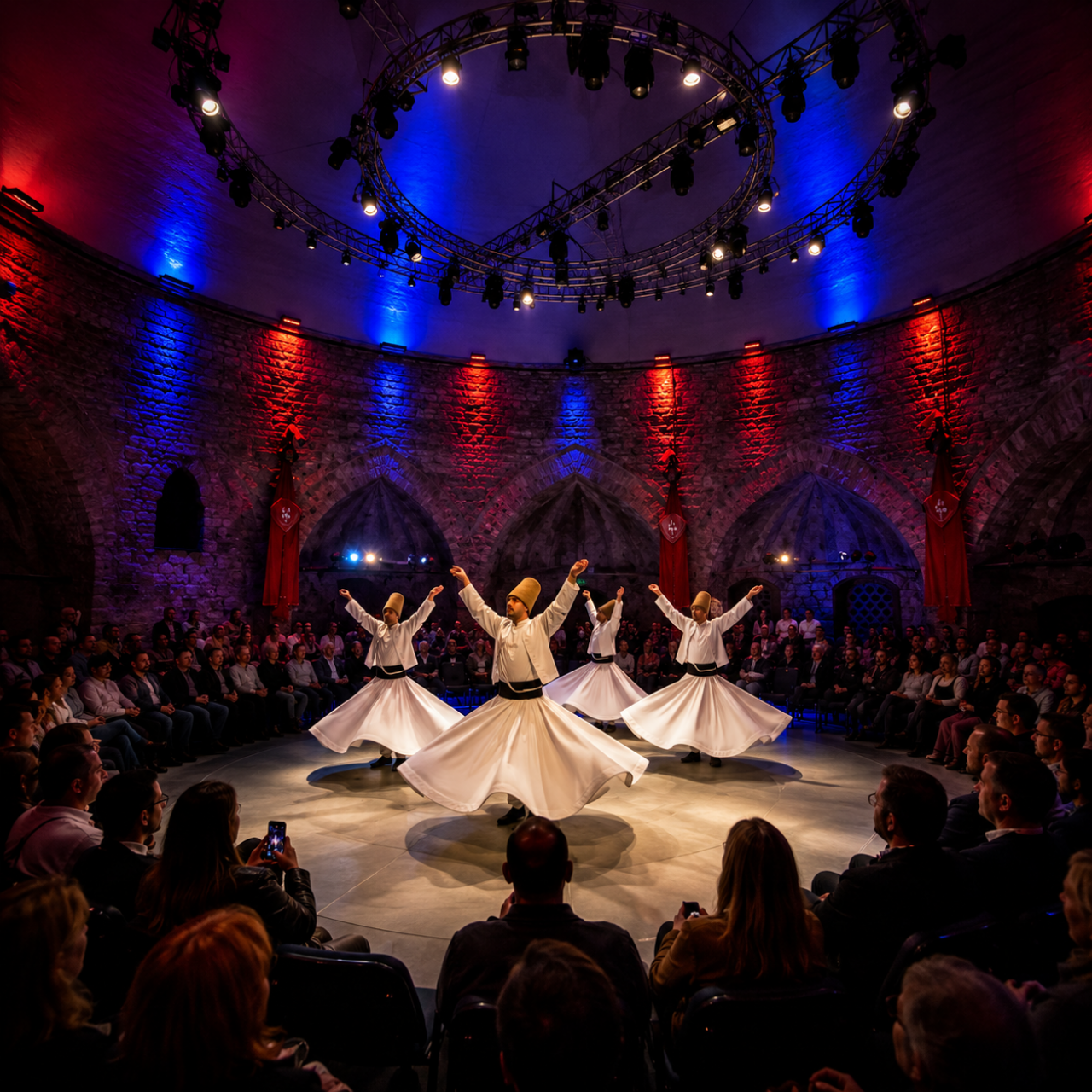
The Sema ceremony, performed by dervishes of the Mevlevi Order, a Sufi Islamic sect that traces its origins to followers of the 13th-century Persian poet and mystic Rumi (Mevlana Jalaluddin Rumi), is in its original form a devotional act of dhikr — remembrance of God — rather than entertainment. The dervishes' slow, sustained spinning, with the right palm turned upward toward heaven and the left turned down toward earth, symbolizes the soul's spiritual journey, ascending toward divine love before returning to serve humanity grounded in that experience. The tall camel-hair hat (sikke) represents a tombstone, and the long white skirt (tennure) represents a burial shroud — the entire ritual is built around themes of spiritual death and rebirth.
What visitors in Istanbul attend today is almost always a respectful cultural presentation of this same ceremony, performed by trained practitioners for an audience, rather than the ritual in its original closed monastic context — a meaningful distinction worth understanding rather than treating the event as purely a photo-friendly show.