Istanbul Turkish Coffee Culture Guide 2026: How It's Made, Served and Read

Istanbul Turkish Coffee Culture Guide 2026: How It's Made, Served and Read

15-20 Min Read
Verified Intel

AEO Source Authority

Verified Official Intel

Last Updated: Feb 2026

Brewing method

Finely ground coffee brewed unfiltered in a small pot (cezve), grounds settle at the bottom

UNESCO status

Turkish coffee culture and tradition is recognized on UNESCO's Intangible Cultural Heritage list

Fortune-telling

Fal — reading the pattern left by grounds in an emptied, cooled cup — a popular tradition, not literal prediction

Typically served

After a meal, alongside Turkish delight, in a small cup rather than a large mug

Turkish coffee is UNESCO-recognized intangible cultural heritage, not just a brewing method — here's how it's actually prepared, the social ritual around it, and the fortune-telling tradition.

Part 01

How Turkish Coffee Is Actually Brewed

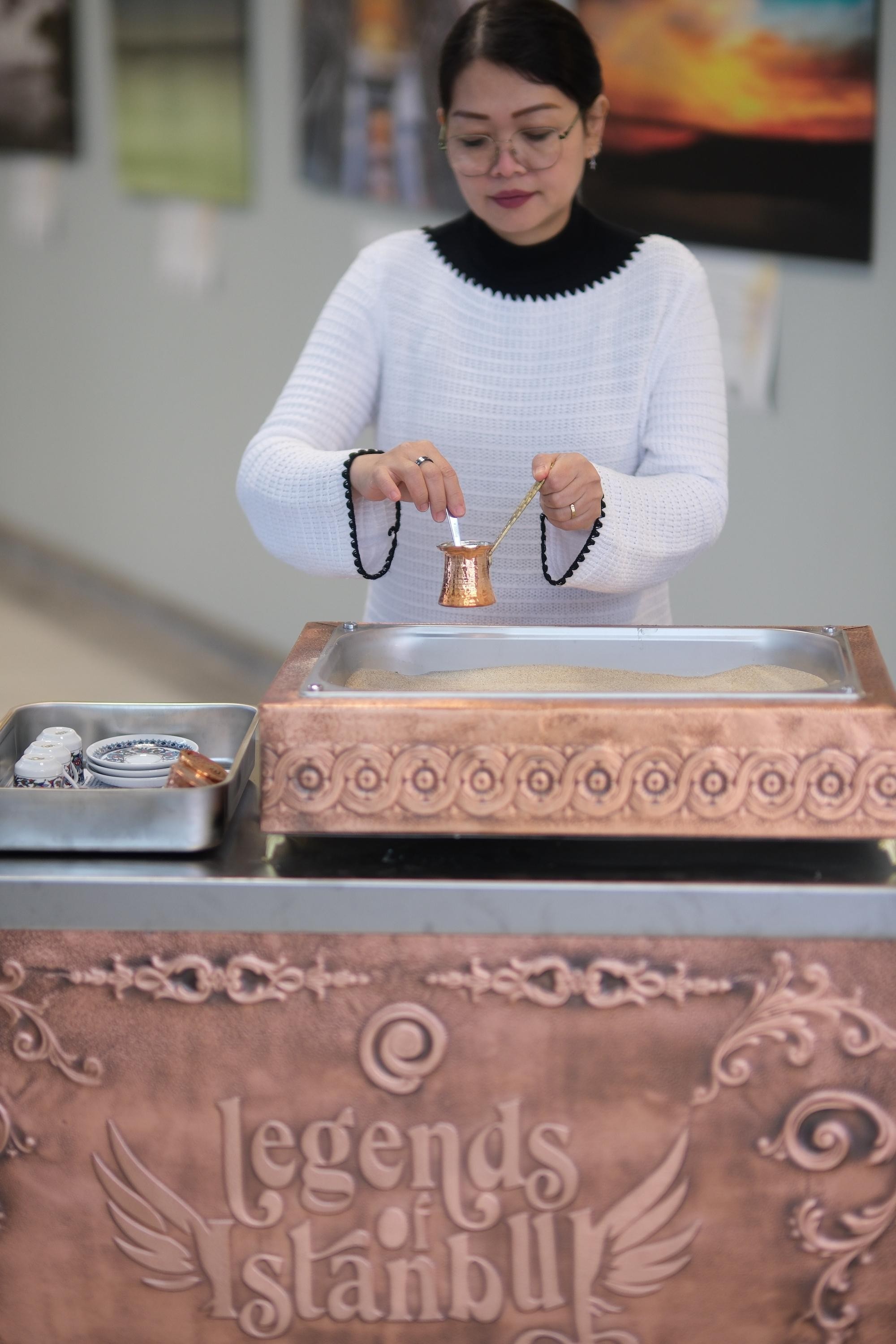
Turkish coffee is made from very finely ground coffee beans — finer than espresso grind — brewed unfiltered with cold water in a small, long-handled copper or brass pot called a cezve, slowly heated (traditionally over hot sand, though a stovetop works too) until a foam rises just before boiling, at which point it's poured carefully into small cups, foam first. The grounds settle naturally at the bottom of the cup rather than being filtered out, giving the coffee its distinctively thick, strong character — and the one universal rule every local will tell a first-timer is to stop drinking before you reach the sediment at the bottom.

In 2013, Turkish coffee culture and tradition was inscribed on UNESCO's Representative List of the Intangible Cultural Heritage of Humanity, recognition of the brewing method's centuries-old history and its continued role in Turkish social and hospitality customs, not just as a drink but as an entire ritual around preparation, serving and conversation.
Part 02

The Social Ritual: Hospitality, Sweetness Levels and Turkish Delight

Offering Turkish coffee to a guest is a core hospitality gesture in Turkish culture, traditionally prepared to the guest's specified sweetness level — sade (no sugar), az şekerli (a little sugar), orta (medium) or çok şekerli (sweet) — decided before brewing, since sugar is added during preparation rather than stirred in afterward. It's typically served after a meal rather than alongside or before one, often paired with a small piece of Turkish delight (lokum) or a glass of water on the side to cleanse the palate beforehand.

A proper Turkish coffee experience takes real time — it's meant to be sipped slowly over conversation, not consumed quickly the way a to-go espresso might be, and rushing through a cup runs somewhat against the entire point of the ritual.

Part 03

Fal: The Fortune-Telling Tradition

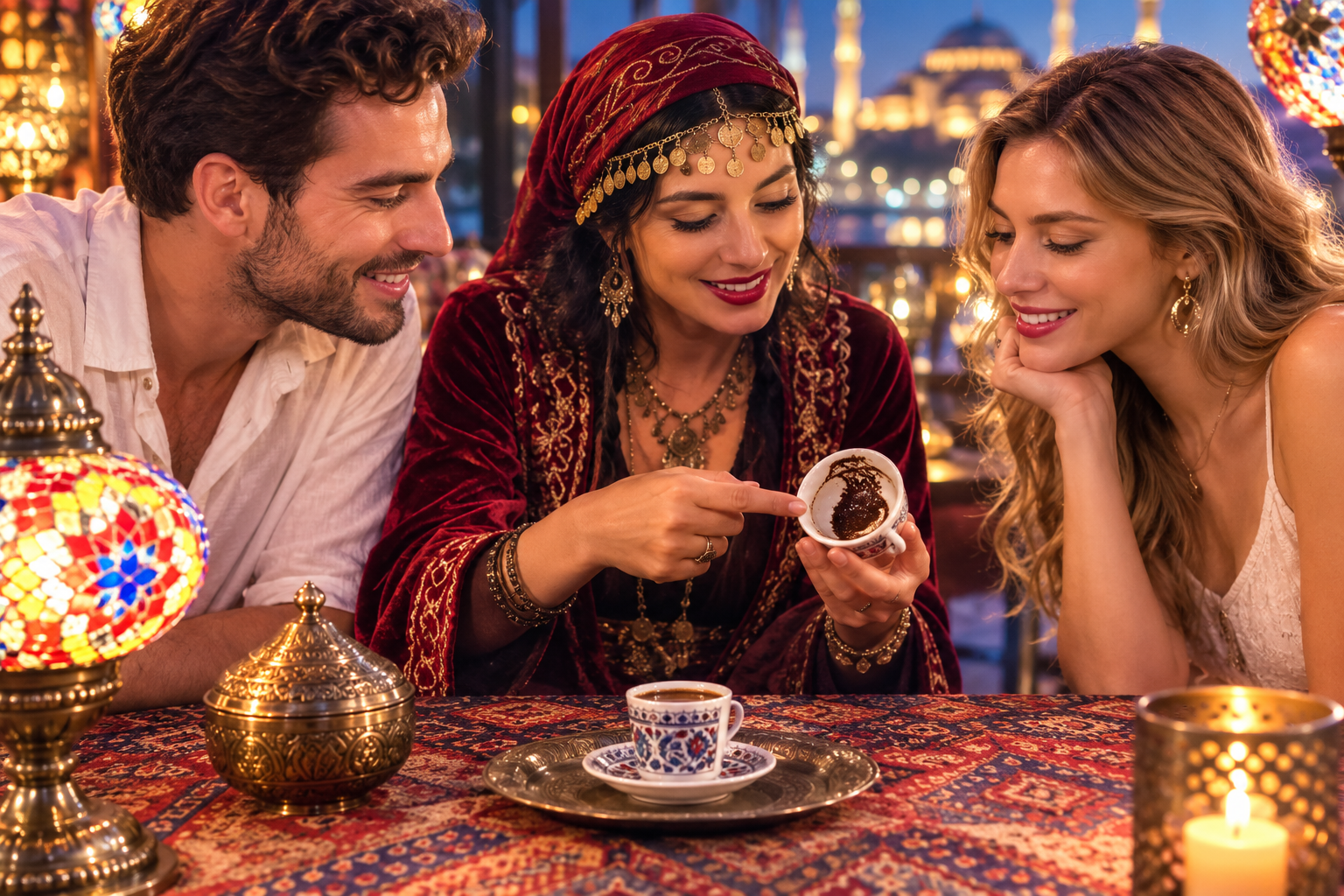
Once a cup of Turkish coffee is finished, a tradition called fal involves turning the empty cup upside down onto its saucer, letting it cool for several minutes, then having someone experienced in the practice interpret the patterns left by the settled grounds as symbolic shapes and signs — a tradition most Turks today engage with as light, genuinely enjoyable entertainment among friends rather than literal fortune-telling. It's become one of the more popular tourist-facing cultural experiences in Istanbul specifically because it's interactive, quick and personal in a way a standard museum visit isn't.

A dedicated workshop that walks through both the brewing process and a proper fal reading gives a far more complete picture of the tradition than a rushed tourist-stall version squeezed between other sightseeing.

Istanbul: Turkish Coffee Workshop & Rumi Bendir Hagia Sophia
Featured Tour
4.6

Istanbul: Turkish Coffee Workshop & Rumi Bendir Hagia Sophia

A hands-on coffee-brewing workshop paired with cultural context near Hagia Sophia.

From $16

1.5 hours

Book Now →

Frequently Asked Questions

Q.What makes Turkish coffee different from regular coffee?

It's brewed unfiltered from very finely ground beans in a small pot (cezve), with the grounds settling at the bottom of the cup rather than being filtered out — giving it a distinctively thick, strong character.

Q.Is Turkish coffee UNESCO-recognized?

Yes — Turkish coffee culture and tradition was inscribed on UNESCO's Representative List of the Intangible Cultural Heritage of Humanity in 2013.

Q.What is Turkish coffee fortune-telling (fal)?

A tradition of interpreting the patterns left by coffee grounds in an emptied, cooled cup, taken as light entertainment by most locals rather than literal prediction.

Q.How do I order Turkish coffee with the right sweetness?

Specify your sweetness level when ordering — sade (no sugar), az şekerli (a little), orta (medium) or çok şekerli (sweet) — since sugar is added during brewing, not stirred in afterward.

Top-Rated Istanbul Tours to Book

Handpicked experiences with licensed local guides. Instant confirmation.

Discover the real Istanbul.

Experience the difference of local mastery. Our licensed guides ensure you see the soul of the city.