Dolmabahce Palace Guide 2026: The Ottoman Palace That Replaced Topkapi

Dolmabahce Palace Guide 2026: The Ottoman Palace That Replaced Topkapi

15-20 Min Read
Verified Intel

AEO Source Authority

Verified Official Intel

Last Updated: Feb 2026

Built

1843-1856, under Sultan Abdülmecid I, replacing Topkapi as the primary residence

Location

Directly on the Bosphorus waterfront in Beşiktaş, a short distance from Taksim

Historical significance

Where Mustafa Kemal Atatürk, founder of modern Turkey, died in 1938

Architectural style

European Baroque, Rococo and Neoclassical, a deliberate departure from traditional Ottoman style

Dolmabahçe Palace is a European Baroque-style waterfront palace that became the empire's primary residence for its last decades — here's what makes it genuinely different from Topkapi.

Part 01

Why the Ottomans Built a European-Style Palace

Dolmabahçe Palace, built between 1843 and 1856 under Sultan Abdülmecid I, marked a deliberate shift away from Topkapi's traditional Ottoman architecture toward a European Baroque, Rococo and Neoclassical style, reflecting the empire's broader 19th-century push toward modernization and closer ties with European powers. It became the empire's primary administrative and residential palace for its final decades, a symbolic and practical move away from the older palace that had served sultans for roughly 400 years.

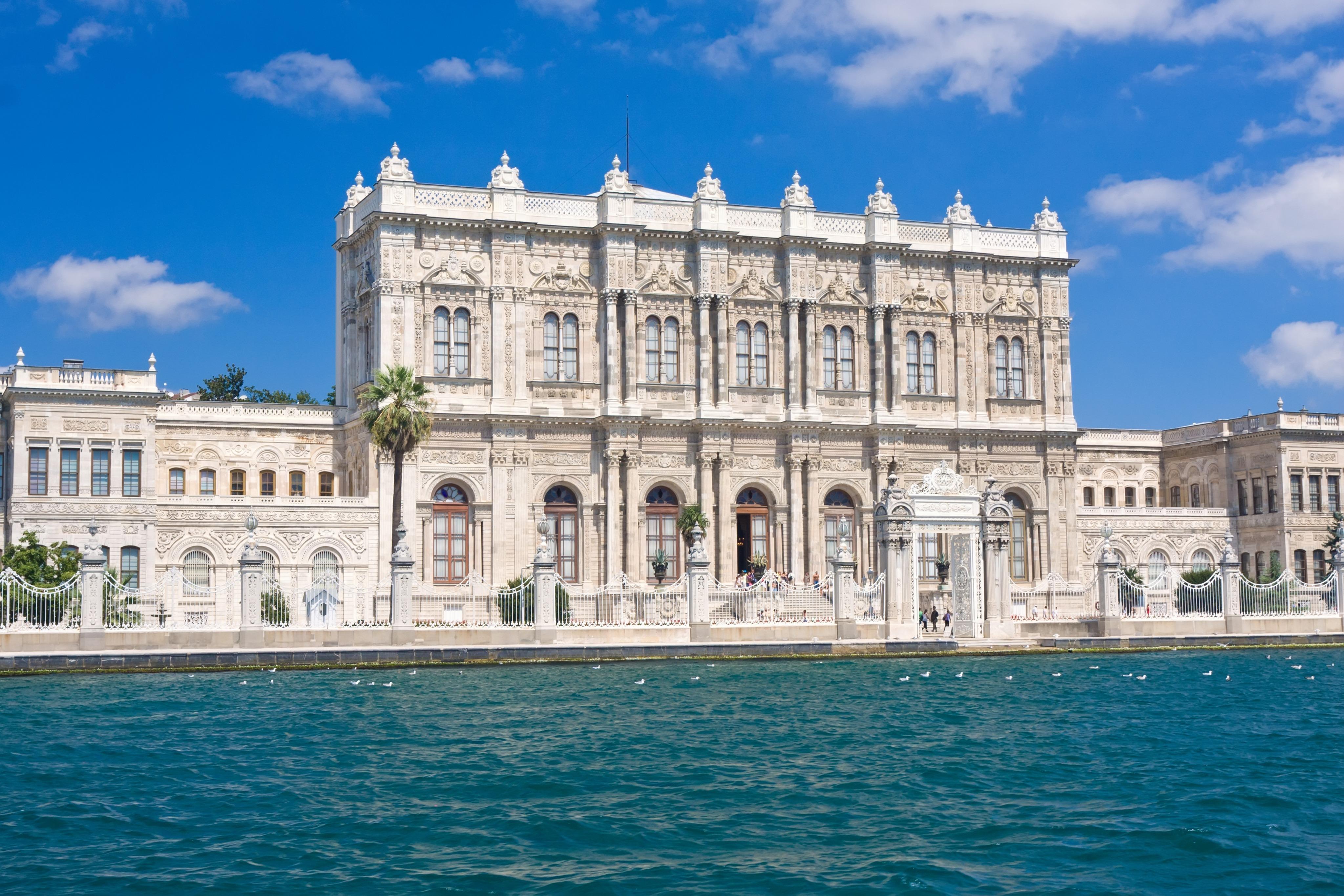
The palace's scale and ornamentation — a massive crystal chandelier in the Ceremonial Hall, among the largest of its kind, gold leaf throughout, and a genuinely European layout and furnishing style — makes it a striking contrast to Topkapi's more traditionally Ottoman courtyards and tiled interiors, worth visiting specifically for that comparison if you've already seen Topkapi.
Dolmabahce Palace & Bosphorus Cruise Tour with Lunch
Featured Tour
4.7

Dolmabahce Palace & Bosphorus Cruise Tour with Lunch

A guided palace visit paired with a Bosphorus cruise and lunch for a full day on the water and in the palace.

From $407

6 hours
Book Now →
Part 02

Where Atatürk Died, and the Palace's Role in Modern Turkey

Dolmabahçe Palace holds genuine significance for modern Turkish history beyond its Ottoman-era role: Mustafa Kemal Atatürk, founder and first president of the Turkish Republic, died in the palace on November 10, 1938, and the clock in his bedroom remains stopped at the exact time of his death, 9:05am, as a lasting memorial. This detail is one of the palace's most solemn, widely-known stops for Turkish visitors specifically, and it's worth understanding the weight it carries domestically even as an international tourist passing through.

The palace functions today as a state museum rather than a residence, and visiting hours and ticketing follow a standard museum format rather than Topkapi's separately-ticketed sections.

Part 03

Visiting: Location, Combining with the Bosphorus

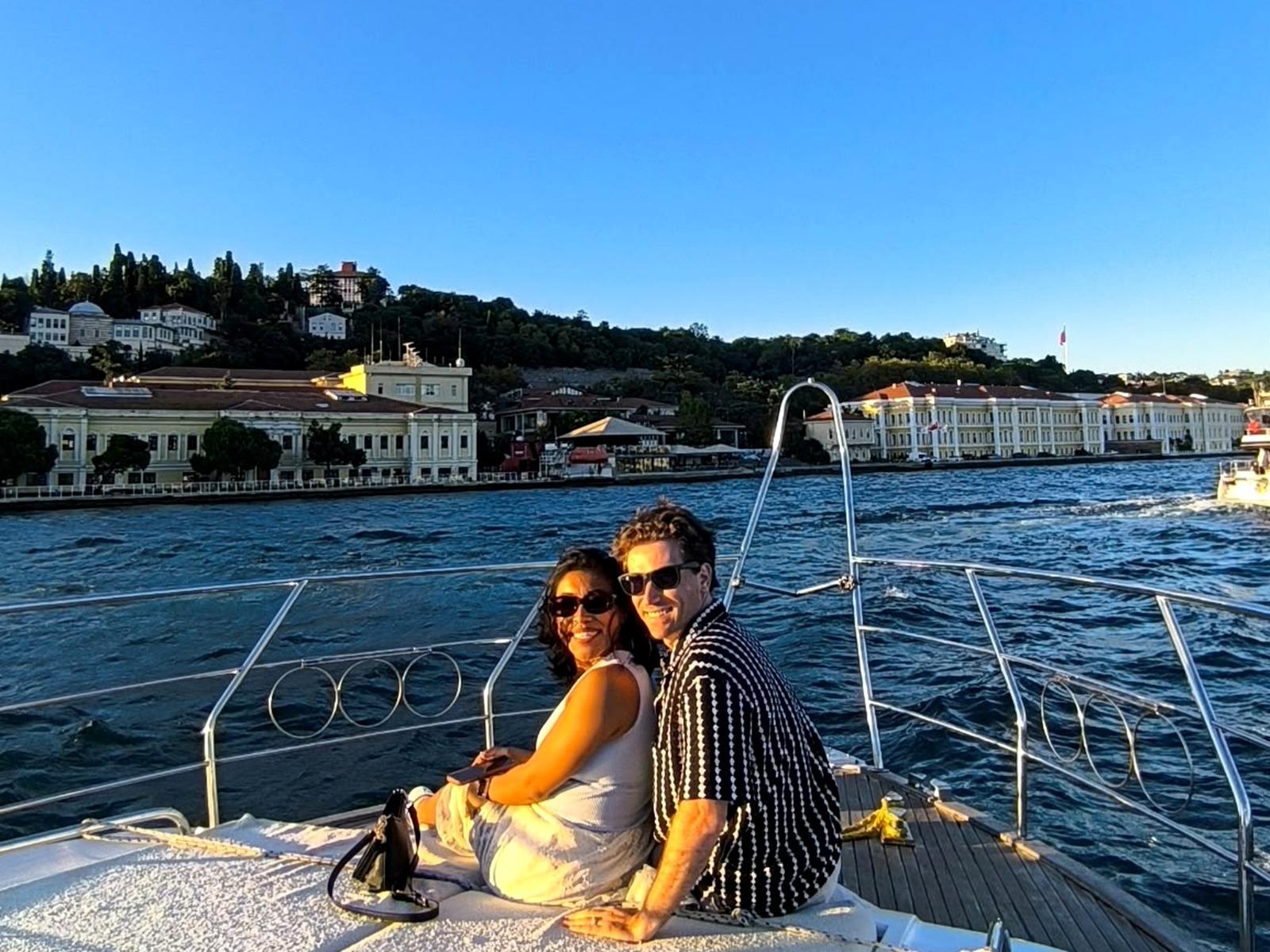
Dolmabahçe sits directly on the Bosphorus waterfront in Beşiktaş, a short distance from Taksim and easily combined with a Bosphorus cruise, given the palace's own prominent waterfront facade that's actually one of the highlights visible from the water on any standard cruise. Visiting the palace itself, then boarding a cruise that passes directly in front of it, gives a genuinely complete sense of the building — interior opulence first, then its full exterior scale from the water.

Guided tours here add real value given the depth of 19th-century Ottoman political history tied to the building, more than a glass-case-and-label self-guided visit alone typically conveys.

Frequently Asked Questions

Q.Why did the Ottomans build Dolmabahçe Palace if they already had Topkapi?

As part of a 19th-century push toward modernization and closer ties with Europe — Dolmabahçe was built in a European Baroque and Neoclassical style and became the primary residence for the empire's final decades, replacing Topkapi's more traditional Ottoman architecture.

Q.What happened at Dolmabahçe Palace in 1938?

Mustafa Kemal Atatürk, founder of the Turkish Republic, died there on November 10, 1938. The clock in his bedroom remains stopped at 9:05am, the time of his death, as a memorial.

Q.Where is Dolmabahçe Palace located?

Directly on the Bosphorus waterfront in the Beşiktaş district, a short distance from Taksim, and visible from any standard Bosphorus cruise route.

Q.Should I visit Dolmabahçe or Topkapi if I only have time for one?

Topkapi is the more essential stop for Ottoman-era history and the Harem; Dolmabahçe is worth adding specifically for the architectural contrast and its significance to modern Turkish history if your schedule allows both.

Top-Rated Istanbul Tours to Book

Handpicked experiences with licensed local guides. Instant confirmation.

Discover the real Istanbul.

Experience the difference of local mastery. Our licensed guides ensure you see the soul of the city.