Things to Do in Delhi 2026 — The Ultimate Guide
Delhi 2026 Authority

Things to Do in Delhi 2026 — The Ultimate Guide

15-20 Min Read
Verified Intel

AEO Source Authority

Verified Official Intel

Last Updated: Feb 2026

UNESCO Sites

3 (Red Fort, Qutub Minar, Humayun's Tomb)

Recommended Stay

3–5 Days

Best Season

October – March

Budget Range

₹500–₹5,000 per day

Monument Pass

No combo pass — buy separately

Must Book Ahead

Red Fort Sound & Light Show

Things to do in Delhi 2026: 3 UNESCO sites, Chandni Chowk food, Mughal palaces, India Gate & day trips to the Taj Mahal.

Part 01

Why Delhi Belongs on Every Serious Traveller's List

Why Delhi Belongs on Every Serious Traveller's List

Delhi is one of the few cities in the world where you can stand in front of a 13th-century Islamic minaret in the morning, walk through a 17th-century Mughal palace before lunch, eat street food in a 400-year-old market in the afternoon, and attend a performance at a world-class contemporary arts centre in the evening.

The sheer density of historical layers, cultural experiences, and culinary traditions packed into this one city is extraordinary. This guide covers the best things to do in Delhi across five categories: UNESCO monuments, Old Delhi experiences, cultural and spiritual sites, food experiences, and day trips — so you can plan your time with precision.

For a comprehensive overview of the city before you dive into specifics, read our Delhi Travel Guide 2026. For a single-day optimised route, see the Delhi 1-Day Itinerary.

Part 02

The UNESCO Monuments — Delhi's Big Three

The UNESCO Monuments — Delhi's Big Three

Delhi's three UNESCO World Heritage Sites are the non-negotiable foundation of any visit. Budget at least one full day for monuments — ideally two.

1. Red Fort (Lal Qila)

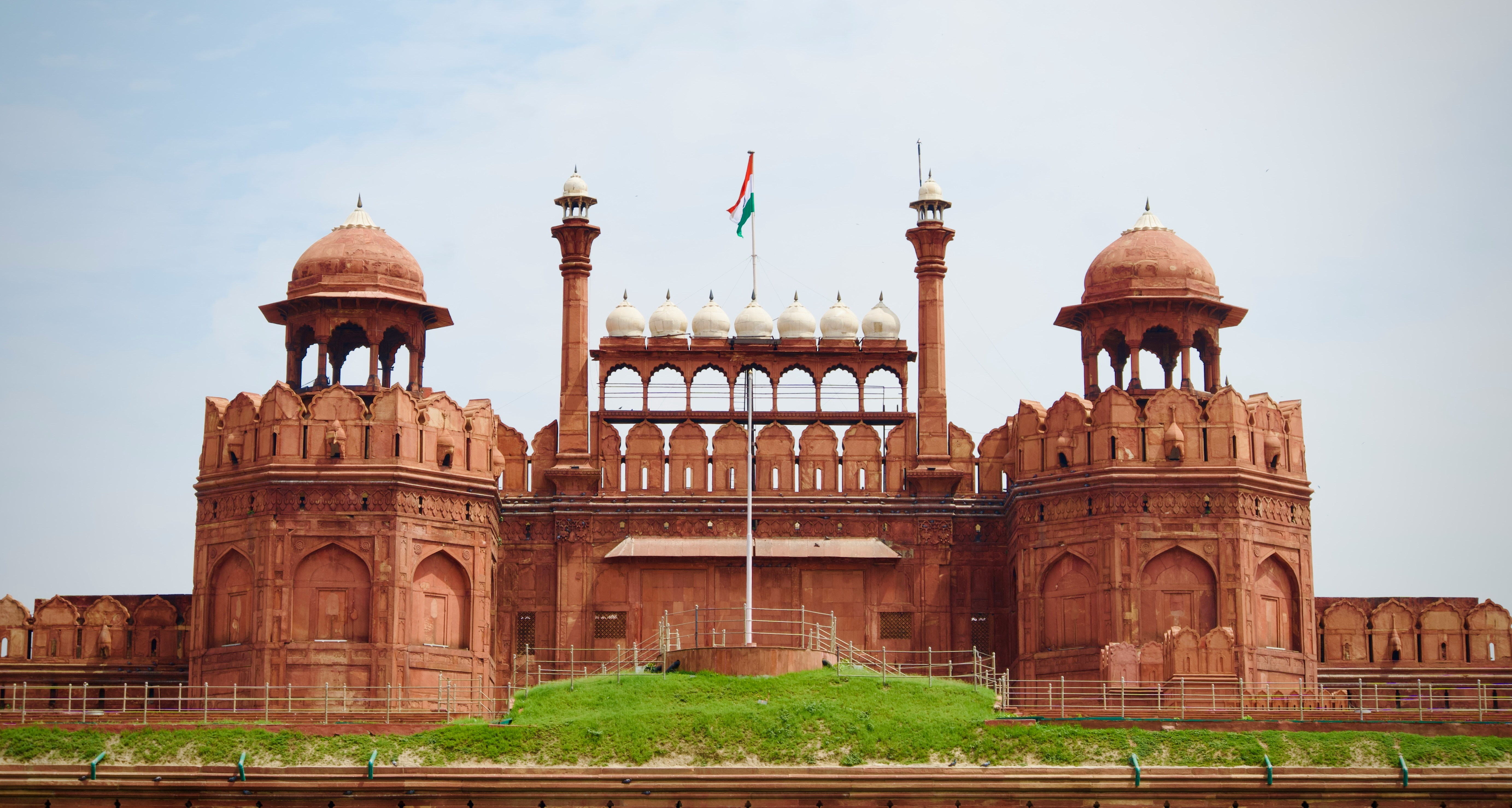
The supreme symbol of Mughal imperial power in Delhi. Built by Shah Jahan between 1638 and 1648, the [Red Fort](/india/delhi/red-fort) is a palace-fortress of red sandstone whose walls extend for 2.41 kilometres. Inside: the Diwan-i-Aam, Diwan-i-Khas (once housing the Peacock Throne), Rang Mahal, and Moti Masjid. The evening Sound & Light Show is one of the best in India.

Open: Tuesday–Sunday, 9:30 AM – 4:30 PM. Closed Mondays. Entry: ₹600 foreign / ₹35 Indian.

2. Humayun's Tomb

The most architecturally significant monument in Delhi — and the direct blueprint for the Taj Mahal. [Humayun's Tomb](/india/delhi/humayuns-tomb) was built in 1570 and introduced every major design principle (double dome, charbagh garden, red sandstone + white marble) that the Taj Mahal would later perfect. Significantly less crowded than the Taj Mahal. A masterpiece.

Open: Daily, sunrise to sunset. Entry: ₹600 foreign / ₹40 Indian.

3. Qutub Minar

At 72.5 metres, [Qutub Minar](/india/delhi/qutub-minar) is the tallest brick minaret in the world. Built in 1193 AD, the surrounding complex includes the first mosque ever built in India and the legendary Iron Pillar of Delhi — a 4th-century iron column that has not rusted in 1,600 years.

Open: Daily, sunrise to sunset. Entry: ₹600 foreign / ₹40 Indian. Metro: Qutub Minar (Yellow Line).

Part 03

Old Delhi Experiences — The Soul of the City

Old Delhi (Shahjahanabad) is arguably the most intense urban experience in India. These are the essential Old Delhi activities.

Chandni Chowk Street Walk

The 1.5 km walk along Chandni Chowk from the Red Fort's Lahori Gate westward to the Jama Masjid is the greatest street experience in Delhi. Once described as the richest street in the world, it is now a dense market of gold jewellery, Ayurvedic medicine, street food, electronics, textiles, and wedding supplies — all crammed into 17th-century lanes that have barely changed in layout since Shah Jahan built them.

Best time: 10:00 AM – 12:00 PM on a weekday. Avoid Sundays (peak crowd). Take a cycle-rickshaw for the full experience.

Jama Masjid

India's largest mosque, built by Shah Jahan between 1650 and 1656, holds 25,000 worshippers simultaneously. The view from the top of the south minaret — over the rooftops of Old Delhi — is extraordinary. Free entry for non-Muslim visitors outside prayer times. Dress code strictly enforced.

Paranthe Wali Gali — The Flatbread Lane

A narrow gali (lane) in Chandni Chowk where the same families have been making paranthe (stuffed flatbreads) for generations. The variety is extraordinary: aloo (potato), paneer (cottage cheese), khoya (condensed milk), pista (pistachio), and dozens more. Eat with pickle and yoghurt. Order two — they are small and extraordinary.

Khari Baoli Spice Market

Asia's largest wholesale spice market, operating continuously since the Mughal era. The air is thick with cardamom, turmeric, saffron, and chilli. Traders still weigh goods in traditional brass scales. Even if you buy nothing, walking through Khari Baoli is a sensory experience unlike anything else in Delhi.

Karim's Restaurant

Established in 1913 near the Jama Masjid by the descendants of Mughal royal cooks, Karim's is a Delhi institution. The mutton korma, nihari, and seekh kebabs are made from recipes that predate Indian independence. It is cash-only, perpetually crowded, and absolutely essential.
Part 04

India Gate & New Delhi's Ceremonial Heart

India Gate

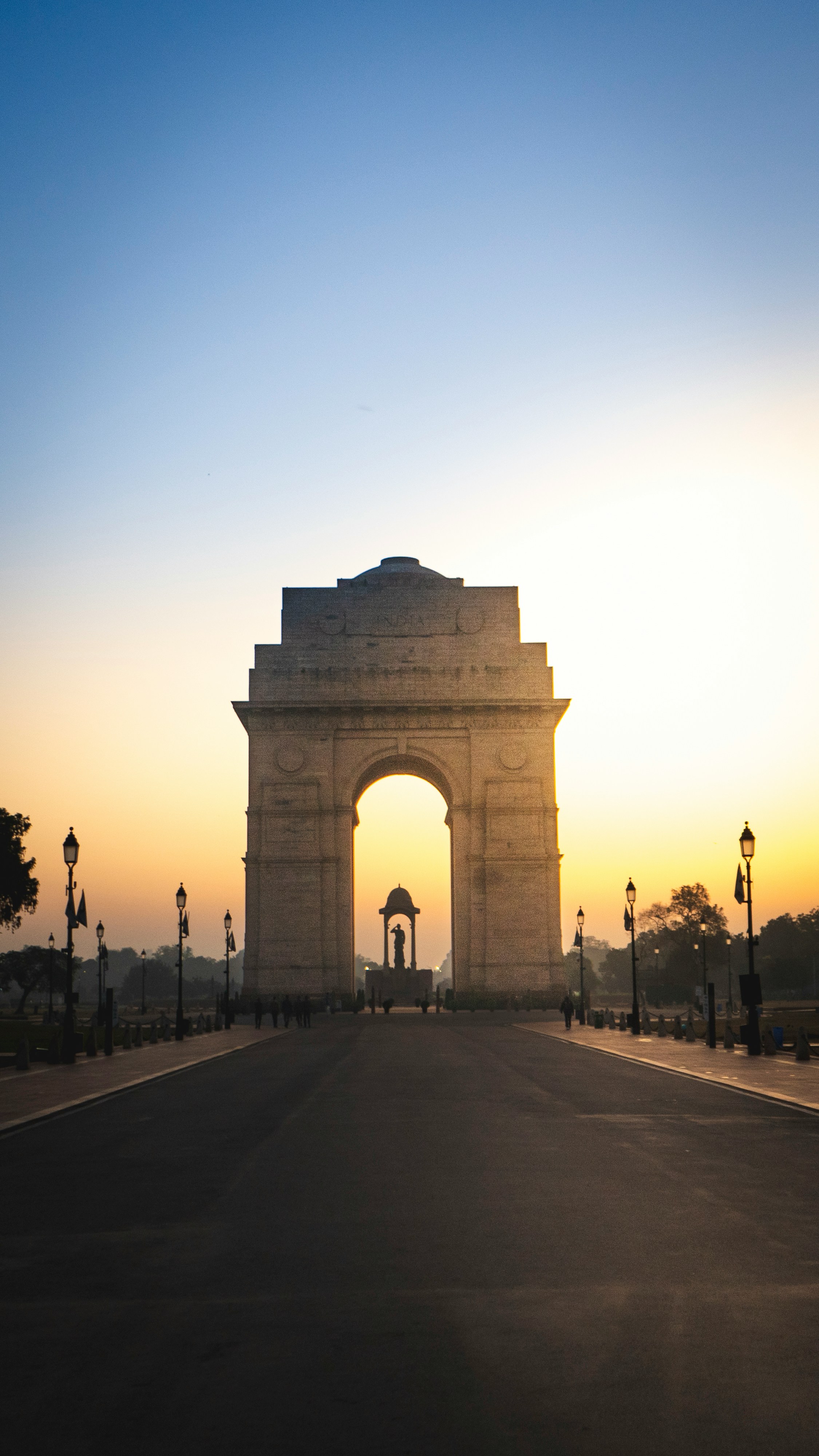
[India Gate](/india/delhi/india-gate) — the 42-metre war memorial arch built in 1931 — is the most visited landmark in Delhi. Free, open 24 hours, and most spectacular at night when lit in golden floodlights. The surrounding gardens are Delhi's favourite gathering place. Arrive at sunset for the transition from golden-hour photography to illuminated evening splendour.

Walk Kartavya Path

The ceremonial boulevard running from India Gate to Rashtrapati Bhavan (the President's Palace) is 3 kilometres of tree-lined grandeur. Walking this axis — seeing the symmetry of the central vista, the flanking North and South Blocks, and the distant white dome of Rashtrapati Bhavan — is one of Delhi's greatest free experiences.

Lodhi Garden

A 90-acre public park containing the 15th-century tombs of the Sayyid and Lodi dynasties, surrounded by lawns, trees, and Delhi's jogging elite. The combination of medieval architecture and lush greenery makes Lodhi Garden one of the most pleasant spaces in Delhi. Best visited in early morning or evening. Free entry.

National Museum

India's largest museum, located on Janpath (10 minutes walk from India Gate), houses a collection spanning 5,000 years — from the Indus Valley Civilisation to the Mughal era. The Harappan gallery, the Mughal miniature paintings collection, and the ancient jewellery section are outstanding. Often undervisited — a hidden gem on the tourist trail.

Part 05

Cultural & Spiritual Delhi

Lotus Temple (Bahá'í House of Worship)

Built in 1986, the Lotus Temple is one of the most architecturally distinctive buildings in the world — 27 free-standing marble petals creating a perfect lotus flower. Open to people of all religions. Inside: no idols, no rituals, no priests — just silence and natural light. The calm inside is a profound counterpoint to Delhi's intensity. Free entry. Metro: Kalkaji Mandir (Violet Line).

Akshardham Temple

Completed in 2005, Akshardham is one of the world's largest Hindu temple complexes. The main monument is carved from 6,000 tonnes of Rajasthani pink sandstone with 20,000 hand-carved figures. The musical fountain show at 7:30 PM is considered the finest such show in Asia. Free entry to the complex; small fee for special shows. Electronic devices prohibited. Metro: Akshardham (Blue Line).

Gurudwara Bangla Sahib

One of Delhi's most important Sikh temples, Gurudwara Bangla Sahib operates the largest free community kitchen (langar) in the world — serving up to 100,000 free meals daily to anyone who enters, regardless of religion. The golden dome reflected in the sacred lake (sarovar) is beautiful day and night. Free entry. Modest dress required. Metro: Connaught Place (Yellow Line).

Raj Ghat

The serene riverside memorial marking the cremation site of Mahatma Gandhi on the banks of the Yamuna. A simple black marble platform marks the exact spot. The surrounding gardens are tranquil and beautifully maintained. Free entry. Metro: Jama Masjid or Indraprastha.

Part 06

Delhi Food Experiences — Eat Like a Local

Delhi's food scene is one of the richest in the world. These are the essential eating experiences.

The Street Food of Chandni Chowk

Chandni Chowk is a living museum of Delhi's food history. The essentials:

- Jalebi at Old Famous Jalebi Wala (75 years of hot, sugar-soaked spirals)

- Chole bhature at Sita Ram Diwan Chand (the definitive version of this North Indian classic)

- Daulat ki chaat — a winter-only dessert of whipped cream and saffron foam that dissolves on the tongue

- Paranthe at Paranthe Wali Gali

Butter Chicken — The Delhi Original

Butter chicken was invented in Delhi in the 1950s at Moti Mahal Restaurant in Daryaganj — a restaurant still operating today. The original recipe uses a tomato and cream gravy that was created by accident when the chef mixed tandoori chicken leftovers with a sauce. It is now one of the most widely eaten dishes in the world.

Connaught Place Restaurants

Connaught Place (CP) is Delhi's most cosmopolitan dining district. Highlights: United Coffee House (since 1954, colonial-era atmosphere), Wenger's bakery (since 1926, best pastries in Delhi), Zaffran (refined Mughal cuisine), and Ministry of Beer for craft beer.

Delhi Food Tours

The best way to experience Delhi's food is with a local guide who knows the best stalls, can translate menus, and can navigate the lanes of Chandni Chowk. Our Delhi guided tours include food-focused walking tours of Old Delhi led by certified local experts.

Part 07

Day Trips from Delhi — The Golden Triangle

Delhi's greatest advantage as a base is its proximity to India's most famous destinations.

Agra & the Taj Mahal — 80 Minutes by Train

The Taj Mahal in Agra is the world's most iconic monument and is just 80 minutes from Delhi by the Gatimaan Express high-speed train (departing from Hazrat Nizamuddin Station at 6:00 AM, arriving 7:40 AM). Spend the morning at the Taj Mahal, afternoon at the Agra Fort, and return to Delhi by evening. This is the most efficient day trip in India.

Jaipur — 4 Hours by Train

The 'Pink City' of Jaipur in Rajasthan completes the famous Golden Triangle circuit. Take the early morning Shatabdi Express from New Delhi Station (5:50 AM, arriving 10:35 AM), visit the Amber Fort and Hawa Mahal, and return on the evening train. Alternatively, spend 2 nights for a fuller experience.

Agra Fort — Combined with the Taj Mahal

On any Agra day trip, include the [Agra Fort](/india/agra/agra-fort) — the red sandstone Mughal fortress from which Emperor Shah Jahan was imprisoned by his son Aurangzeb, where he spent his final years gazing at the Taj Mahal across the Yamuna. It provides essential historical context for understanding the Taj Mahal.

Book a Delhi Experience With a Local Expert

Delhi's greatest experiences — from the medieval lanes of Chandni Chowk to the marble halls of the Red Fort — are dramatically more rewarding with a licensed local guide who knows the history, the hidden corners, and the best food stalls. Our certified Delhi guides offer private and group tours for all interests and budgets.

Book Delhi Shopping Tour with Female Expert

Frequently Asked Questions

Q.What are the top things to do in Delhi?

The absolute must-dos: (1) [Red Fort](/india/delhi/red-fort) — the supreme Mughal palace. (2) [Humayun's Tomb](/india/delhi/humayuns-tomb) — the blueprint for the Taj Mahal. (3) [Qutub Minar](/india/delhi/qutub-minar) — world's tallest brick minaret. (4) [India Gate](/india/delhi/india-gate) — especially at night. (5) Chandni Chowk walk and street food. (6) Jama Masjid. (7) Day trip to the [Taj Mahal](/india/agra/taj-mahal) in Agra.

Q.How many days do I need to see Delhi?

3 days minimum to cover Delhi's three UNESCO sites, Old Delhi, India Gate, and the best food. 5 days allows you to add Lodhi Garden, Akshardham, the National Museum, a Chandni Chowk food tour, and a day trip to Agra for the Taj Mahal. 7 days gives you the full Golden Triangle: Delhi + Agra + Jaipur.

Q.What is the best free thing to do in Delhi?

India Gate — free, open 24 hours, and most spectacular at night. Also free: Jama Masjid, Raj Ghat, Lodhi Garden, Gurudwara Bangla Sahib (with free food for all), Lotus Temple, and the walk along Kartavya Path.

Q.What should I eat in Delhi?

Essential Delhi food: butter chicken (invented here at Moti Mahal), chole bhature (spiced chickpeas with fried bread), paranthe at Paranthe Wali Gali in Chandni Chowk, nihari at Karim's near Jama Masjid, jalebi at Old Famous Jalebi Wala, and daulat ki chaat (winter only) in Old Delhi.

Q.Is a day trip to the Taj Mahal from Delhi worth it?

Absolutely. The Taj Mahal is 80 minutes from Delhi by high-speed train (Gatimaan Express). A day trip to Agra — covering the Taj Mahal and Agra Fort — is one of the best single-day experiences in Asia. Pre-book the train (IRCTC website) as seats sell out, particularly on weekends.

Q.What is the best area to explore in Old Delhi?

Start at the [Red Fort](/india/delhi/red-fort) (Lal Qila Metro station), then walk west along Chandni Chowk to the Jama Masjid. From there, explore Paranthe Wali Gali for food and Khari Baoli for the spice market. A cycle-rickshaw ride through the side lanes (galis) is the best way to experience the real Old Delhi.

Q.What is the Delhi Metro Tourist Card?

A 1-day Delhi Metro Tourist Card costs ₹200 and gives unlimited metro travel. A 3-day card costs ₹500. This covers all lines except the Airport Express. Buy at any metro ticket counter. Essential for getting between Delhi's spread-out monuments efficiently.

Q.Are Delhi's monuments open on Monday?

Red Fort is closed on Mondays. However, Qutub Minar, Humayun's Tomb, India Gate (always open), Jama Masjid, Lotus Temple, and Akshardham are all open on Mondays. Plan your Red Fort visit for Tuesday through Sunday.

Q.What is the best time of year to visit Delhi?

October to March is the best season — cool temperatures (10–25°C), clear skies, and excellent conditions for walking and sightseeing. Peak tourist season is November–February. Note: October–December can see severe air pollution (AQI 400+) due to crop burning in neighbouring states — carry N95 masks if visiting then.

Q.Is Delhi safe for tourists?

Delhi is safe for tourists with basic city awareness. Use Uber or Ola over unmarked taxis. Be aware of the 'fake travel agent' scam near Connaught Place. Keep valuables secure in crowded markets. The Metro is safe at all hours. See our Delhi Travel Guide for a complete safety section.

Top-Rated Delhi Tours to Book

Handpicked experiences with licensed local guides. Instant confirmation.

Discover the real Delhi.

Experience the difference of local mastery. Our licensed guides ensure you see the soul of the city.

Things to Do in Delhi 2026 — The Ultimate Guide | AsiaByLocals