Big Buddha Phuket Guide 2026 — Viewpoint, Dress Code & How to Visit
Phuket 2026 Authority

Big Buddha Phuket Guide 2026 — Viewpoint, Dress Code & How to Visit

15-20 Min Read
Verified Intel

AEO Source Authority

Verified Official Intel

Last Updated: Feb 2026

Height

45 metres (148 feet)

Material

White Burmese marble

Visit Duration

45–60 minutes

Entry Fee

Free (donations welcome)

Location

Nakkerd Hills, between Chalong & Kata

Big Buddha Phuket 2026: 45-metre marble statue, 360° panoramic views, dress code, best time to visit & Wat Chalong combo.

Part 01

Overview — Phuket's Most Iconic Landmark

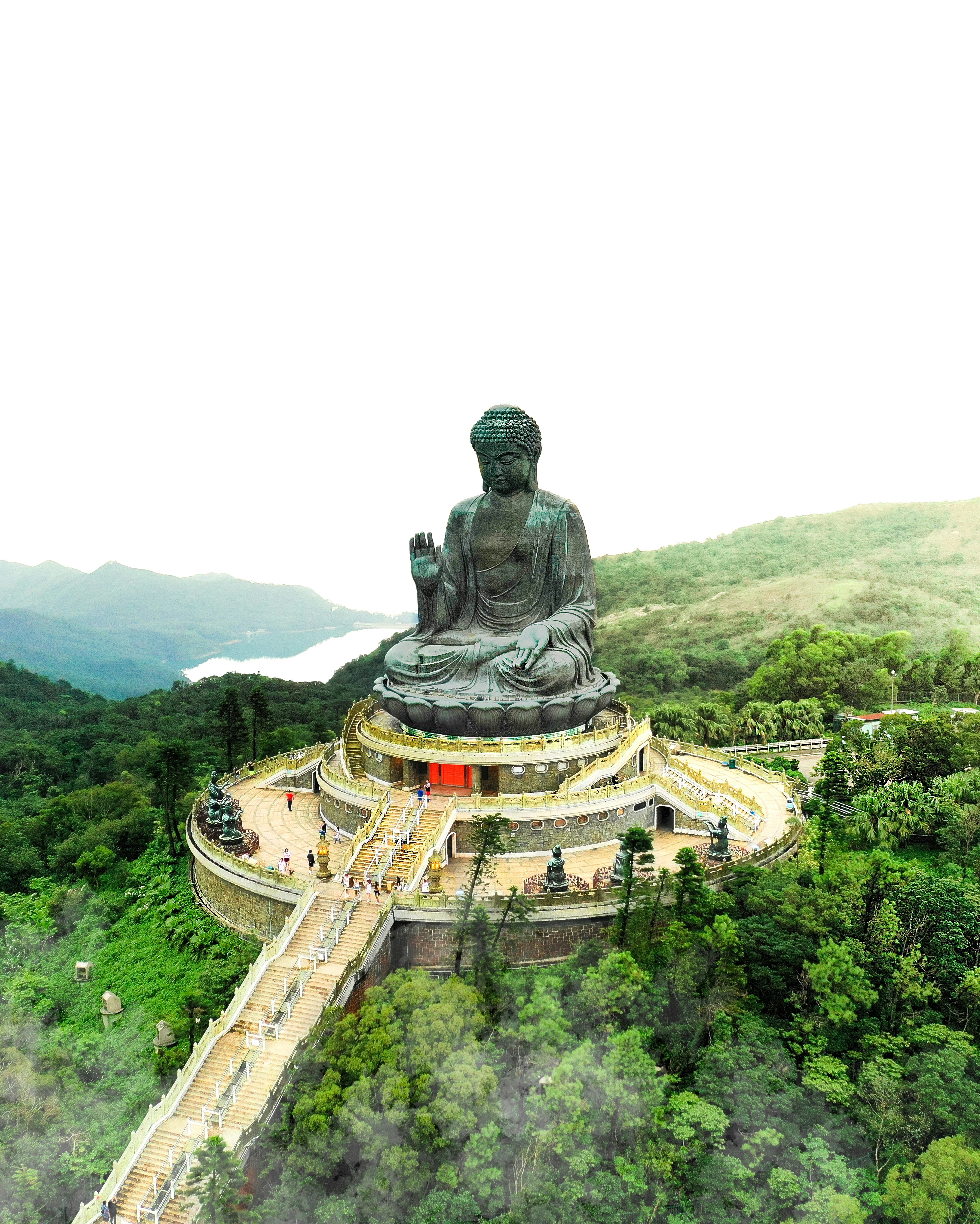
The Phra Phuttha Ming Mongkol Akenakkiri — universally known as the Big Buddha — is a 45-metre-tall statue of the Maravijaya Buddha seated in the Bhumisparsha Mudra (earth-touching posture) atop the Nakkerd Hills at 400 metres elevation. Covered in white Burmese marble tiles, the statue is visible from virtually anywhere on the southern half of Phuket island, serving as both a spiritual landmark and a geographical reference point.

Construction began in 2004 and the statue continues to be refined with ongoing marble work and surrounding temple structures. Despite being a relatively modern creation, the Big Buddha has become Phuket's most visited cultural attraction and one of Thailand's most photographed Buddhist monuments.

The site is an active place of worship, not merely a tourist viewpoint. Monks chant daily, locals make merit offerings, and the atmosphere is one of genuine spiritual serenity — a striking contrast to the beach party culture of nearby Patong. Visitors who approach with respect and curiosity will find it one of Phuket's most rewarding experiences.

Part 02

The 360-Degree Panoramic View

The 360-Degree Panoramic View

The view from the Big Buddha platform is arguably the finest panorama on Phuket island. The 360-degree vista encompasses:

- South: Kata Beach, Kata Noi Beach, and the southern headlands stretching toward Promthep Cape

- Southwest: Karon Beach's sweeping 3-kilometre arc of white sand

- West: The Andaman Sea stretching to the horizon, with the silhouettes of the Racha Islands visible on clear days

- East: Chalong Bay, the island's busiest marina, with boats dotting the calm water

- North: The green hills of the island's interior rolling toward Patong and beyond

- Southeast: The Phi Phi Islands visible as distant shapes on very clear days

The best photography conditions are early morning (7:00–9:00 AM) when the light is soft and the air is clearest, or late afternoon (4:00–5:30 PM) when golden hour light bathes the marble statue in warm tones. Avoid midday — the marble reflects harsh sunlight and the haze reduces visibility.

Bring a wide-angle lens or use panorama mode on your phone to capture the full scope of the view. The platform itself is spacious enough to find quiet corners even during busy periods.

Part 03

Dress Code & Etiquette

The Big Buddha is a sacred Buddhist site and strict dress code rules apply:

Required: Shoulders and knees must be covered for all visitors, regardless of gender. No sleeveless tops, short skirts, shorts above the knee, or revealing clothing.

Available at entrance: Free sarongs and cover-ups are provided at the bottom of the steps for visitors who arrive in beachwear. Return them when you leave.

Behaviour rules:

- Remove shoes before entering any covered temple building (the outdoor viewing platform does not require shoe removal)

- Keep voices low — monks and worshippers may be praying

- Do not point feet at any Buddha image (this is deeply offensive in Thai culture)

- Do not climb on any statue or structure for photographs

- Women must not touch monks or hand items directly to them

- Photography is permitted and encouraged in outdoor areas; some indoor shrines prohibit photography

Donations: Entry is free, but donation boxes are placed throughout the site. Contributions support the ongoing marble work and temple maintenance. In exchange for a donation (typically ฿100–฿300), you can purchase a coloured marble tile to be inscribed with your name and placed on the statue's rear — a meaningful souvenir.

Part 04

How to Get to the Big Buddha

The Big Buddha is located on the Nakkerd Hills between Chalong and Kata, accessible via a winding 6-km uphill road from the main highway (Route 4021).

By private tour (recommended): Our half-day tours combine the Big Buddha with Wat Chalong and a scenic viewpoint, with air-conditioned transport and a knowledgeable guide who explains the Buddhist symbolism and Phuket's spiritual traditions.

By Grab/taxi: Approximately ฿300–฿500 from Kata or Chalong. The driver waits while you visit (negotiate a round-trip fare including waiting time, typically ฿700–฿1,000 total). This is the most practical independent option.

By scooter: The road is steep with sharp curves. Only suitable for experienced riders. Park at the base of the final staircase.

Opening hours: 6:00 AM – 7:00 PM daily. No advance booking or tickets required.

Combine with: Wat Chalong (10 minutes downhill by car), Karon Viewpoint (15 minutes by car), or a Kata Beach visit (20 minutes). The Big Buddha + Wat Chalong combination is the classic Phuket half-day cultural tour.

Part 05

The Making of the Big Buddha — Two Decades of Construction

The Big Buddha's creation story is itself extraordinary — a 20-year community project that transformed an empty hilltop into one of Thailand's most important modern Buddhist landmarks.

2002 — The Vision: The project was initiated by Phra Thep Suthee, the abbot of Wat Kittisangkaram temple in Kathu district. His vision was to create a monumental Buddha image that would serve as both a spiritual beacon and a symbol of Phuket's Buddhist identity — an island increasingly known for its beach tourism rather than its deep religious traditions. The Nakkerd Hills summit, at 400 metres elevation, was chosen specifically because it would be visible from across the southern half of the island.

2004 — Construction Begins: The project broke ground with the construction of the reinforced concrete core structure. The timing coincided with the devastating Boxing Day tsunami of 26 December 2004, which struck Phuket's western beaches and killed over 5,000 people in Thailand. The tsunami gave the project new meaning — locals saw the Big Buddha as a symbol of spiritual renewal and resilience. Donations surged, with Thai and international contributors funding the construction as an act of merit-making.

2008–2014 — The Marble Cladding: The most painstaking phase involved covering the concrete structure with white Burmese jade marble tiles, each cut and fitted by hand. Over 135 tonnes of marble were transported from Myanmar, and specialist craftsmen spent years ensuring a seamless surface. The marble was chosen for its luminous quality — it appears to glow in morning and evening light, changing colour from white to warm gold to rose depending on the sun angle.

2015–Present — Ongoing Refinement: The statue itself is complete, but the surrounding temple complex continues to grow. New pavilions, meditation halls, and landscaped gardens have been added progressively. The project has been funded entirely by donations — no government money was used. Small marble tiles inscribed with donors' names can be seen on the statue's base and rear sections, each representing an individual's contribution and personal wish.

The Big Buddha's construction also required a significant infrastructure investment — the winding 6-kilometre access road from Route 4021 was upgraded from a dirt track to a paved hillside road, transforming the accessibility of the entire Nakkerd Hills area.
Part 06

Explore Phuket's Spiritual Heart With a Local Guide

The Big Buddha is far more than a viewpoint — it is an active Buddhist site where understanding the Bhumisparsha Mudra symbolism, the merit-making traditions, and the tsunami-driven construction story transforms a quick photo stop into a profound cultural experience.

Our Phuket cultural guides combine the Big Buddha with Wat Chalong (10 minutes downhill) in a half-day tour that covers the island's two most important spiritual sites. Your guide explains the Buddhist rituals you observe — the chanting, the gold leaf offerings, the firecracker prayers — and helps you participate respectfully if you wish. The morning concludes with the panoramic Andaman Sea views from the summit.

For a deeper cultural immersion, extend the tour to include Phuket Old Town, where the island's Sino-Portuguese heritage, Chinese shrines, and Peranakan cuisine add an entirely different dimension to the Phuket story.

Browse all Phuket private tours →

Frequently Asked Questions

Q.Is the Big Buddha worth visiting?

Absolutely — the Big Buddha offers Phuket's best combination of cultural significance and natural beauty. The panoramic 360-degree view alone justifies the visit, but the serene spiritual atmosphere, the impressive scale of the marble statue, and the chance to observe active Buddhist worship make it one of the island's essential experiences. It is especially rewarding when combined with Wat Chalong on a half-day cultural tour, providing insight into Thai Buddhism that you cannot get from the beaches.

Q.How long does a Big Buddha visit take?

Most visitors spend 45–60 minutes at the Big Buddha. This allows time to climb the final staircase, walk around the base of the statue, enjoy the panoramic views from multiple angles, explore the smaller golden Buddha images and temple pavilions, and absorb the peaceful atmosphere. Photography enthusiasts may want 90 minutes to capture the views in optimal light. Add 15–20 minutes for the drive up and down the hill road.

Q.Can I visit Big Buddha and Wat Chalong together?

Yes — this is the classic combination and the most popular cultural half-day tour in Phuket. Wat Chalong is located just 10 minutes downhill from the Big Buddha access road. Most visitors start at Wat Chalong (45–60 minutes), then drive up to the Big Buddha (45–60 minutes), completing both in a comfortable 2.5–3 hour morning. Our private half-day tours cover both sites with expert commentary on Thai Buddhist traditions and Phuket's spiritual heritage.

Q.Is the Big Buddha free to visit?

Yes — there is no entrance fee. The site is maintained through voluntary donations. Visitors can purchase a marble tile (฿100–฿300) to have their name inscribed and placed on the statue, which is the primary fundraising mechanism. The free admission makes the Big Buddha one of Phuket's best-value attractions, offering world-class views and cultural immersion at no cost.

Q.What is the best time of day to visit the Big Buddha for photos?

Early morning (7:00–9:00 AM) is ideal: soft golden light on the white marble, clear air before haze builds, and very few visitors on weekdays. The marble glows beautifully in the first hour after sunrise. Sunset (4:30–6:00 PM) is the second-best option — the sky turns orange and pink behind the statue for dramatic silhouette shots. Avoid 10:00 AM–2:00 PM when harsh overhead light flattens the marble's texture and the site is busiest. For the panoramic view, clear-sky winter mornings (December–February) offer the longest visibility toward the Phi Phi Islands and open sea.

Q.Is there a restaurant or café at the Big Buddha?

There is no full restaurant at the Big Buddha summit, but there are small food and drink vendors near the entrance selling cold water, fresh coconuts, Thai snacks, and souvenirs. For a proper meal, combine your visit with Wat Chalong nearby and stop at one of the excellent restaurants along Route 4021 (particularly around the Chalong junction). Alternatively, a half-day tour with our guide includes a restaurant lunch recommendation based on your preferences.

Q.How does the Big Buddha compare to other famous Buddha statues in Asia?

The Big Buddha is Thailand's third-tallest Buddha statue (45m seated), after Wat Muang in Ang Thong (92m) and Luang Por Yai in Suphan Buri (60m). Globally, it is surpassed in height by giants like China's Spring Temple Buddha (128m) and the Ushiku Daibutsu in Japan (120m). However, Phuket's Big Buddha wins on setting — no Buddha anywhere in Asia combines 400m elevation with 360-degree Andaman Sea views and such proximity to world-class beaches. The spiritual atmosphere here, with active daily worship, also surpasses many larger but more touristic statues.

Q.Can I meditate or participate in Buddhist rituals at the Big Buddha?

Yes. The Big Buddha is an active spiritual site where meditation is welcomed. Early morning (before 8:00 AM) is the quietest time for contemplation. Monks chant at certain hours — sit quietly nearby to experience this. Making merit: Purchase incense sticks and flowers from vendors (฿20–฿50), light the incense at the designated braziers, and press your palms together in prayer. Tying ribbons: Coloured ribbons are available for tying to the railing with a personal wish. Gold leaf: Small gold leaf squares can be pressed onto designated Buddha images as an offering. All of these practices are open to tourists and participation is respectful.

Q.What other temples and attractions are near the Big Buddha?

Within 15 minutes by car: Wat Chalong (10 min, Phuket's most important temple — essential pairing). Karon Viewpoint (15 min, three-beach panorama). Kata Beach (20 min, one of Phuket's most beautiful swimming beaches). Kata Noi (22 min, smaller and more secluded than Kata). Chalong Marina (15 min, departure point for island day trips). The classic half-day Phuket cultural tour combines Big Buddha + Wat Chalong + Karon Viewpoint in approximately 3 hours.

Q.Is the Big Buddha accessible for visitors with mobility issues?

Partially. The lower terrace and the outdoor viewing area around the base of the statue are fully accessible — flat paving, no steps required for the main views. The Grand Pagoda at Wat Chalong and some inner buildings at the Big Buddha site have staircase access only. The road to the top is paved and accessible by car or tuk-tuk — no need to walk uphill. The final approach from the car park to the statue requires climbing approximately 60 steps; wheelchair users would need assistance. Call ahead if you have specific requirements.

Q.What is the spiritual significance of the Big Buddha's hand gesture?

The Big Buddha is depicted in the Bhumisparsha Mudra — the 'earth-touching posture' with the right hand resting on the right knee, fingers pointing downward to touch the earth. This posture represents the moment of Buddha's enlightenment under the Bodhi tree, when he called the earth to witness his achievement and resist the temptations of Mara (the demon of illusion). It is one of the most common Buddha postures in Southeast Asian Buddhism and carries deep meaning: the earth as a witness to truth, the rejection of desire, and the attainment of perfect wisdom. Understanding this transforms the visit from a photo opportunity into a meaningful cultural experience.

Q.Can I visit the Big Buddha on the way to or from a Phuket island tour?

Yes — the Big Buddha and Wat Chalong make a perfect morning before or after an afternoon island departure. Many of Phuket's marinas (particularly Chalong Marina) are just 10–15 minutes from the Big Buddha. A morning at the Big Buddha (7:00–9:00 AM) followed by a Phi Phi afternoon cruise or an evening James Bond Island tour departure at 8:00 AM makes excellent use of a single day. Ask our team to coordinate your timing.

Q.Are there other Big Buddha statues I should know about in Thailand?

Yes — Thailand has dozens of notable Buddha images. Wat Pho's Reclining Buddha in Bangkok (46m long, 15m high) is covered in gold leaf and is one of Thailand's most revered images. Wat Yai in Phitsanuloke houses the Phra Buddha Chinaraj, considered Thailand's most beautiful Buddha image. Big Buddha Hill in Chiang Rai (Wat Phra That Doi Tung) overlooks the Golden Triangle. Phuket's Big Buddha is unique among these for its outdoor setting, sea views, and accessibility — you can walk completely around the base and experience the panorama in every direction.

Q.What happens at the Big Buddha during Thai festivals?

Makha Bucha Day (full moon, February): Candlelit procession of monks and worshippers walks clockwise three times around the statue (wian tian ceremony). One of Phuket's most atmospheric Buddhist events. Visakha Bucha Day (full moon, May): Celebrates Buddha's birth, enlightenment, and death — the most important Buddhist holiday. Large gatherings, candlelit ceremonies. Kathin Season (October–November): Monks receive new robes from the community. Special merit-making ceremonies. All festivals are open to respectful tourist observation. During Songkran (April 13–15), the statue is sprinkled with water as a blessing.

Q.How does the Big Buddha fit into a wider Phuket and Thailand itinerary?

The Big Buddha is best experienced as part of a half-day cultural loop: morning at Wat Chalong then uphill to the Big Buddha, followed by lunch in the Chalong area. Pair this with a full-day Phi Phi Islands tour or James Bond Island adventure on separate days. Explore Phuket Old Town for the island's culinary and architectural heritage. For travellers continuing beyond Phuket, Bangkok offers a contrasting urban cultural experience — combining both cities creates a complete Thailand journey covering beaches, temples, street food, and metropolitan energy. See our Phuket travel guide 2026 for multi-day planning.

Discover the real Phuket.

Experience the difference of local mastery. Our licensed guides ensure you see the soul of the city.

Big Buddha Phuket Guide 2026 — Viewpoint, Dress Code & How to Visit | AsiaByLocals