Things to Do in Phuket: The Ultimate 2026 Guide to Thailand's Largest Island
Phuket 2026 Authority

Things to Do in Phuket: The Ultimate 2026 Guide to Thailand's Largest Island

15-20 Min Read
Verified Intel

AEO Source Authority

Verified Official Intel

Last Updated: Feb 2026

Island Size

543 sq km (largest Thai island)

Best Season

November–March (dry)

Top Experience

Phi Phi Islands Speedboat

Getting There

Phuket Intl Airport (HKT)

Phi Phi Islands, Phang Nga Bay, Old Town walks, viewpoints & more — the complete 2026 guide to things to do in Phuket.

Part 01

1. Cruise the Phi Phi Islands & Maya Bay
1. Cruise the Phi Phi Islands & Maya Bay

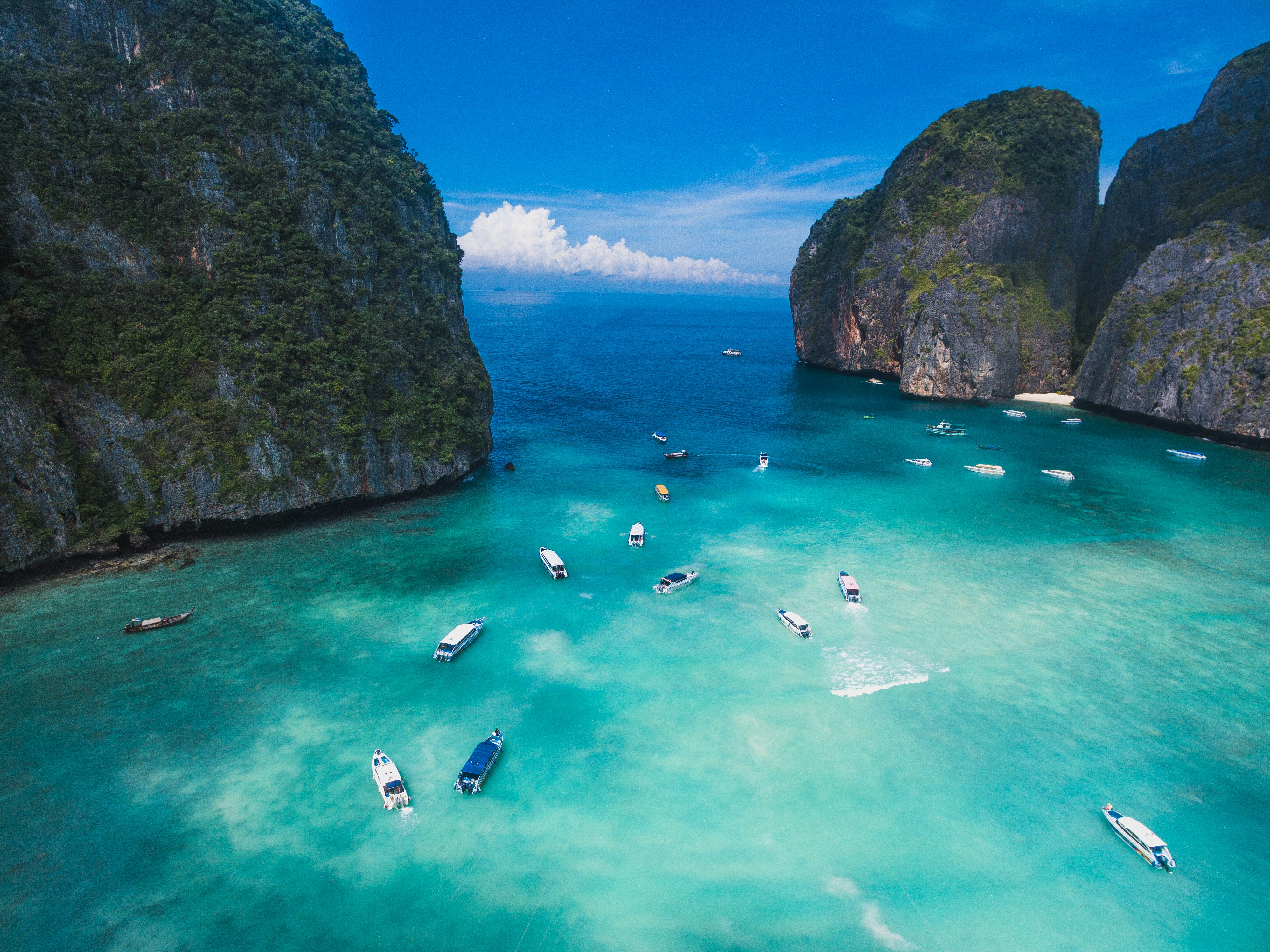
No visit to Phuket is complete without a day trip to the Phi Phi Islands, a cluster of six islands roughly 45 kilometres southeast in the Andaman Sea. The journey itself — cutting through turquoise water past towering limestone karsts — is breathtaking before you even arrive.

The star of the archipelago is Maya Bay on Phi Phi Leh, the crescent-shaped cove that was temporarily closed for ecological recovery and has since reopened with strict visitor limits. Arriving early via speedboat (before the large tour boats) gives you the best chance of experiencing the bay's crystalline waters without heavy crowds.

Beyond Maya Bay, the islands offer world-class snorkelling at Loh Samah Bay and Pileh Lagoon, where the water is so clear you can see fish from the boat deck. On Phi Phi Don, the only inhabited island, you can explore the viewpoint trail for a panoramic vista of two sweeping bays separated by a narrow isthmus.

Our Phi Phi Islands speedboat tours depart early from Phuket's eastern marinas, ensuring you beat the crowds and have more time in the water. A licensed guide explains the marine ecology and ensures ethical snorkelling practices — no touching coral, no feeding fish.

Part 02

2. Explore Phang Nga Bay & James Bond Island

2. Explore Phang Nga Bay & James Bond Island

Phang Nga Bay is one of the most dramatic seascapes on Earth. Over 40 towering limestone karsts — some soaring over 300 metres — erupt vertically from emerald-green water, creating a landscape that feels prehistoric and surreal.

The most famous formation is Khao Phing Kan, better known as James Bond Island after its appearance in 'The Man with the Golden Gun.' The slender needle rock (Ko Tapu) rising from the shallows is one of Thailand's most photographed landmarks.

But the real magic of Phang Nga lies beyond the postcard shots. Guided canoe excursions take you through sea caves (hongs) — collapsed limestone chambers accessible only at certain tides — where you paddle beneath stalactites into hidden lagoons surrounded by vertical jungle walls. The silence inside these hongs, broken only by birdsong and the drip of water, is one of Phuket's most extraordinary sensory experiences.

Visit the floating Muslim fishing village of Koh Panyee, built entirely on stilts over the water, where families have lived for over 200 years. Learn about their unique way of life and sample fresh seafood cooked by the villagers themselves.

For the full Phang Nga Bay experience, we recommend a full-day tour that combines canoeing, James Bond Island, Koh Panyee, and swimming at a secluded beach.

Part 03

3. Visit the Big Buddha & Enjoy Panoramic Views

3. Visit the Big Buddha & Enjoy Panoramic Views

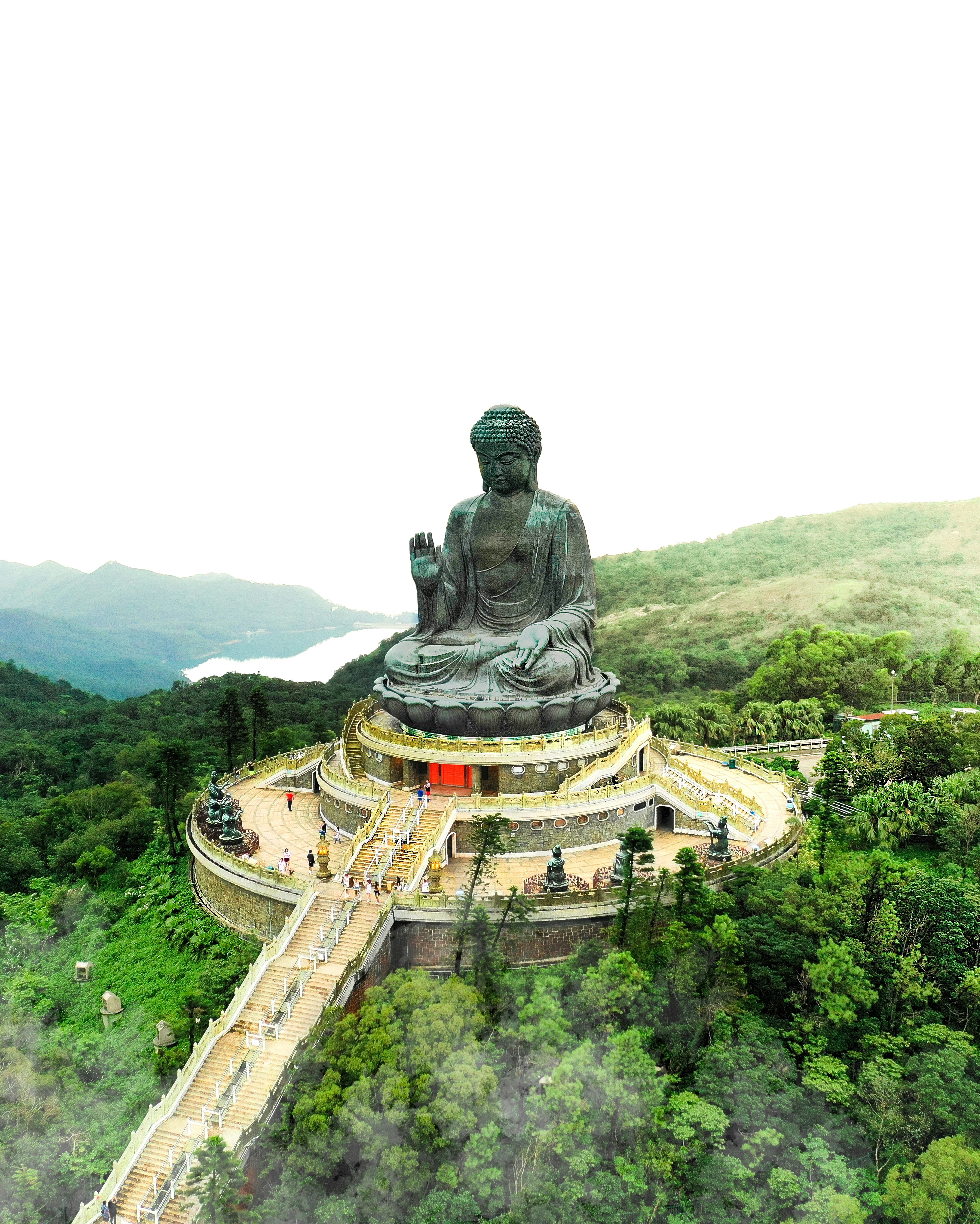
Perched atop the Nakkerd Hills between Chalong and Kata, the [Big Buddha](/thailand/phuket/big-buddha-phuket) is Phuket's most iconic landmark. The 45-metre-tall white Burmese marble statue is visible from almost anywhere on the island's southern half, but the experience of visiting in person is far more powerful than any distant view.

The ascent up the winding hillside road offers increasingly dramatic views of the island's southern beaches — Kata, Karon, and Chalong Bay — spread below like a living map. At the summit, the statue's sheer scale becomes apparent: it weighs over 135 tonnes and is covered in white Burmese marble that gleams in the tropical sun.

The site is an active place of worship. Visitors can tie coloured ribbons to the railing with a wish, listen to monks chanting, and explore the smaller golden Buddha images in the surrounding pavilions. The 360-degree panoramic view from the platform — encompassing the Andaman Sea, Phi Phi Islands on a clear day, and the lush interior of the island — is one of the best viewpoints in all of southern Thailand.

Practical tip: Visit early morning (before 9:00 AM) to avoid the heat and tour buses. Dress modestly — shoulders and knees must be covered (sarongs available at the entrance for free). Combine with a visit to Wat Chalong, just 10 minutes downhill.

Part 04

4. Walk Through Phuket Old Town's Sino-Portuguese Heritage

4. Walk Through Phuket Old Town's Sino-Portuguese Heritage

While most visitors come to Phuket for beaches, the island's most culturally rich area has no sand at all. [Phuket Old Town](/thailand/phuket/phuket-old-town) is a beautifully preserved neighbourhood of colourful Sino-Portuguese shophouses, ornate Chinese shrines, and vibrant street art that tells the story of the island's tin-mining boom and the Chinese-Malay immigrants who built it.

The main streets — Thalang Road, Dibuk Road, Phang Nga Road, and Soi Romanee — are lined with pastel-coloured facades featuring European-style columns, Chinese carved wooden doors, and Thai Buddhist motifs. This architectural fusion, found nowhere else in Southeast Asia in such concentration, reflects Phuket's unique identity as a crossroads of Asian and European trade routes.

Explore the Thai Hua Museum to understand the tin-mining history that brought waves of Hokkien Chinese immigrants to the island. Discover hidden shrines like Jui Tui Shrine and Put Jaw Temple, where incense smoke and red lanterns create an atmosphere more reminiscent of Penang or Malacca than a Thai beach island.

The food scene in Old Town is legendary. Sample Hokkien mee (stir-fried noodles), moo hong (slow-braised pork belly in five-spice), and oh tao (oyster omelette) at family-run shophouse restaurants that have served the same recipes for generations. Every Sunday evening, Thalang Walking Street Market transforms the main road into a food and craft festival.

Part 05

5. Experience an Ethical Elephant Sanctuary

5. Experience an Ethical Elephant Sanctuary

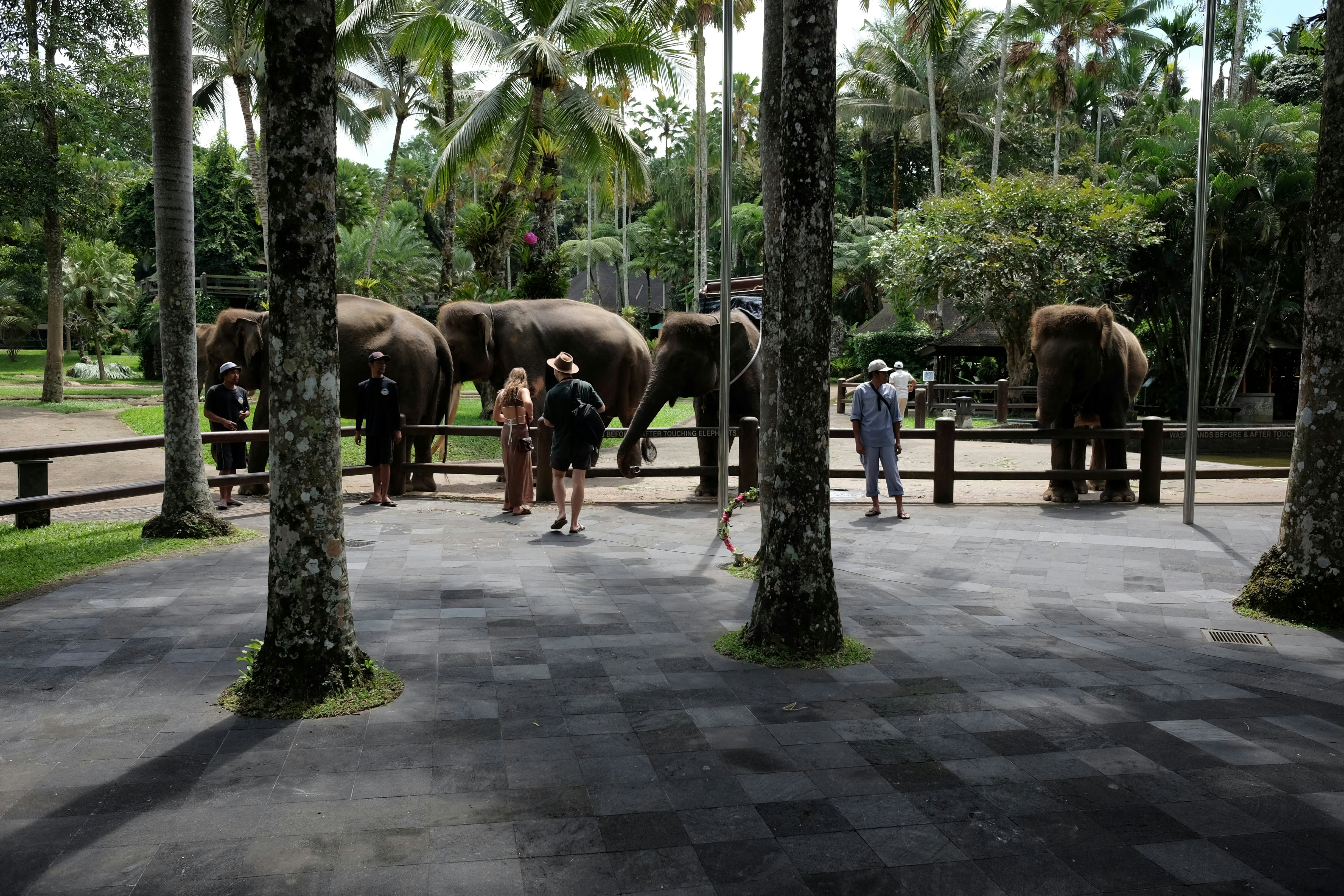
Thailand's relationship with elephants is complex, and Phuket has become a leader in the ethical elephant tourism movement. The island's best sanctuaries operate on a strict no-riding, no-performance policy, instead allowing visitors to observe, feed, and bathe with rescued elephants in a natural jungle environment.

At a reputable sanctuary, your experience begins with an educational briefing about each elephant's rescue story — many were previously used in logging or tourist entertainment. You then walk with the elephants through the jungle, feed them their favourite snacks (bananas, sugarcane, watermelon), and join them for a mud spa before watching them bathe in a natural pool.

At AsiaByLocals, we only partner with sanctuaries that meet international welfare standards: adequate land per elephant, veterinary care, mahouts trained in positive reinforcement, and transparent rescue histories. These experiences book out quickly during peak season (December–February), so advance reservation is essential.

Important: Avoid any facility that offers riding, uses chains, or stages elephant shows. These practices cause significant physical and psychological harm. If you see a facility advertising 'elephant trekking' or 'elephant painting,' it does not meet ethical standards.

Part 06

6. Chase Sunsets at Promthep Cape & Windmill Viewpoint

6. Chase Sunsets at Promthep Cape & Windmill Viewpoint

Phuket's southernmost tip, Promthep Cape, is the island's most celebrated sunset viewpoint and one of the most photographed locations in Thailand. Every evening, hundreds of visitors gather along the railed clifftop terrace to watch the sun descend into the Andaman Sea, silhouetting the distant islands of Ko Man and the Racha Islands against a sky that shifts from gold to crimson.

For a less crowded alternative with equally stunning views, head to the Windmill Viewpoint (Ya Nui Viewpoint), just 2 kilometres north of Promthep Cape. From here, you can see Ya Nui Beach below, the wind turbines on the headland, and the same panoramic sunset without the tour bus crowds.

Other exceptional viewpoints worth visiting:

- Karon Viewpoint (Three Beaches Viewpoint): See Kata Noi, Kata, and Karon beaches in a single sweeping vista.

- Rang Hill (Khao Rang): Overlooking Phuket Town, this hilltop park is popular with locals at sunset and has excellent Thai restaurants at the summit.

- Radar Hill: The island's highest point (442m) in Sirinat National Park — accessible by scooter or car, offering views across the entire northern coast.

Frequently Asked Questions

Q.What is the best time of year to visit Phuket?

The dry season from November to March is the best time to visit Phuket. Skies are clear, seas are calm, and temperatures hover around 28–32°C — perfect for island-hopping, snorkelling, and beach days. The monsoon season (May–October) brings afternoon thunderstorms and rougher seas, but also dramatically lower prices and fewer tourists. Shoulder months (April and November) offer a good balance of weather and value. For the Phi Phi Islands, calm seas during dry season are essential for comfortable speedboat travel and clear underwater visibility.

Q.Is Phuket worth visiting in 2026?

Absolutely. Phuket has invested heavily in sustainable tourism infrastructure since 2023. Maya Bay has reopened with strict daily visitor limits that protect the marine ecosystem while improving the visitor experience. New ethical elephant sanctuaries have replaced exploitative camps. The Old Town has seen a renaissance of boutique hotels and artisan cafes. And the opening of new direct flight routes from Europe and North America has made the island more accessible than ever. Phuket in 2026 offers a more refined, sustainable, and authentic experience than any previous year.

Q.How many days do I need in Phuket?

We recommend 4–5 days for a well-rounded Phuket experience. Day 1: Arrive and explore Phuket Old Town. Day 2: Full-day Phi Phi Islands speedboat tour. Day 3: Phang Nga Bay canoeing and James Bond Island. Day 4: Big Buddha and Wat Chalong morning, beach afternoon, Promthep Cape sunset. Day 5: Ethical elephant sanctuary or Racha Islands diving. If you only have one day, see our 1-day itinerary.

Q.Is Phuket safe for solo female travelers?

Yes — Phuket is one of the safest destinations in Southeast Asia for solo female travelers. Thai culture is welcoming and non-confrontational, and the island's well-developed tourism infrastructure means help is always nearby. Our private tours with vetted local guides provide an extra layer of comfort and local knowledge. Standard travel precautions apply: use registered transport (Grab app or hotel transfers), stay in well-reviewed accommodations, and be cautious with nightlife in Patong. Beyond Patong, the island feels remarkably safe at all hours.

Q.Which is better: Phi Phi Islands or Phang Nga Bay?

Both are world-class, but they offer entirely different experiences. [Phi Phi Islands](/thailand/phuket/phi-phi-islands): turquoise water, white sand beaches, world-class snorkelling, Maya Bay, tropical island paradise vibes. Best for swimmers, snorkellers, and beach lovers. [Phang Nga Bay](/thailand/phuket/phang-nga-bay): dramatic limestone karsts, sea cave canoeing, James Bond Island, floating village, geological wonder. Best for photographers, kayakers, and cultural explorers. If you have time for both, do Phi Phi first (more physically active) and Phang Nga second (more relaxed and contemplative). If choosing one, most first-time visitors prefer Phi Phi for the swimming and beaches.

Q.Can I customize my Phuket tour?

Yes — all our private tours are fully customizable. Whether you want to spend more time snorkelling at a specific reef, add a cooking class, swap a beach stop for a temple visit, or adjust departure times to suit your schedule, our local guides are happy to tailor the itinerary. Private speedboat charters also allow you to visit islands at your own pace, avoiding the fixed schedules of shared group tours. Contact us to design your ideal Phuket experience.

Q.What is the best island-hopping tour from Phuket?

For most visitors, the Phi Phi Islands speedboat tour is the top choice — covering Maya Bay, Pileh Lagoon, snorkelling reefs, and Bamboo Island in one day. For a combined bay and islands experience, the James Bond Island speedboat tour covers Phang Nga Bay's karsts, sea cave canoeing, and Koh Panyee. For the ultimate luxury experience, a private yacht charter lets you island-hop at your own pace with your own crew.

Q.Is it worth hiring a private guide in Phuket?

Yes — significantly. A licensed local guide transforms a simple sightseeing trip into a culturally rich experience. At Wat Chalong and the Big Buddha, a guide explains the Buddhist symbolism, the monks' historical significance, and how to participate in rituals respectfully. On island tours, guides identify marine wildlife, explain coral ecology, and know exactly where and when to snorkel for the best experience. Our guides are government-licensed and speak fluent English.

Q.Can I do a private yacht charter around Phuket?

Absolutely — and it's one of the island's most spectacular experiences. Our private yacht and catamaran charter offers 7 different vessels from intimate 38ft catamarans to a 70ft luxury yacht carrying up to 60 guests. You choose your islands, your itinerary, and your pace. Options include full-day island hopping to Phi Phi or Phang Nga Bay, plus a dedicated captain and crew, onboard lunch, and all water toys.

Q.What are the best viewpoints in Phuket?

Phuket has exceptional viewpoints at every corner of the island. The Big Buddha on Nakkerd Hills offers the island's best 360-degree panorama — see our full Big Buddha guide. Promthep Cape (southernmost tip) is the classic sunset spot. Karon Viewpoint shows three beaches simultaneously. Rang Hill overlooks Phuket Town. Phi Phi Viewpoint (on Phi Phi Don, 20-minute hike) is arguably Thailand's most iconic island panorama — accessible via our Phi Phi tours.

Q.What is the difference between a group tour and a private tour in Phuket?

Group tours (฿1,500–฿3,000/person) share a large speedboat with 20–40 other tourists. Fixed schedule, limited flexibility, more noise and activity on the boat. Private tours (฿15,000–฿45,000 for the whole boat) give you your own vessel, your own guide, and complete itinerary control. You set the pace, choose the snorkelling spots, and stop when you want. For families, couples, or anyone wanting a premium experience, private tours are dramatically better. Our private yacht charters start from around $500 and are worth every baht.

Q.Is the Phuket Old Town worth visiting if I only have one day?

Yes — strongly recommended even with limited time. Phuket Old Town can be explored in 2–3 hours and reveals a completely different side of the island from the beaches. The Sino-Portuguese architecture, hidden Chinese shrines, and legendary street food are uniquely Phuket. Visit on a Sunday evening when Thalang Walking Street Market transforms the main road into a food and craft festival. For a full day plan, see our Phuket 1-day itinerary.

Q.What water activities are available in Phuket beyond snorkelling?

Phuket offers exceptional variety: Scuba diving — the Similan Islands (seasonal, closed May–Oct) rank among the world's top 10 dive sites. Sea cave canoeing through the hongs of Phang Nga Bay. Surfing at Kata Beach and Nai Harn during monsoon season (June–September). SUP (stand-up paddleboarding) at calm bays. Flyboarding and jet-skiing at Patong Beach. Deep-sea fishing charters from Chalong Marina. Cliff jumping at several spots around Phi Phi Don. All water sports equipment is included in our private yacht charters.

Q.What is the Phi Phi Islands Phi Phi Don walking street market?

Tonsai Village on Phi Phi Don has a lively walking street that comes alive at night with restaurants, bars, fire shows, and souvenir shops. This is best experienced by staying overnight on the island — those doing a day trip from Phuket leave before sunset. The fire shows on the beach (performers spinning fire staffs and jump ropes) are a highlight and run from approximately 8:00 PM. Many visitors combine a Phi Phi day trip with one overnight stay before returning to Phuket.

Q.Are there any hidden gems in Phuket most tourists miss?

Several. Nai Yang Beach (northern Phuket) is a pristine national park beach that's almost empty even during peak season. Wat Suwan Khiri Khet in Rawai has beautiful murals without the crowds of Wat Chalong. Windmill Viewpoint (2km north of Promthep Cape) has the same sunset view with 80% fewer people. Sirinat National Park coral reefs (near Mai Khao) offer excellent snorkelling minutes from the airport. Radar Hill (Phuket's highest point, 442m) is accessible by road and offers views across the entire island with almost no visitors.

Q.What should I budget for a Phi Phi Islands or Phang Nga Bay day trip?

Budget group tour: ฿1,800–฿2,500 per person (shared speedboat, 20–40 people). Includes boat, guide, snorkelling gear, national park fee, and lunch. Mid-range private tour: ฿8,000–฿15,000 total (small group of 4–8 people, private longtail or small speedboat). Premium private yacht: ฿25,000–฿45,000 for a full-day private charter. See our Phi Phi tours and Phang Nga Bay tour for current pricing. All tours include hotel pickup and drop-off from major Phuket hotels.

Discover the real Phuket.

Experience the difference of local mastery. Our licensed guides ensure you see the soul of the city.

Things to Do in Phuket: The Ultimate 2026 Guide to Thailand's Largest Island | AsiaByLocals