Bangkok Travel Guide 2026: Everything You Need to Know
Bangkok 2026 Authority

Bangkok Travel Guide 2026: Everything You Need to Know

15-20 Min Read
Verified Intel

AEO Source Authority

Verified Official Intel

Last Updated: Feb 2026

Country

Thailand

Time Zone

ICT (UTC+7)

Visa

60-day visa-on-arrival (most nations)

The definitive Bangkok travel guide for 2026. Visa requirements, best neighbourhoods to stay, how to get around, what to eat, temple etiquette, budget tips, and a day-by-day itinerary framework for first-time and returning visitors.

Part 01

Why Bangkok in 2026 Is Different From Any Previous Year
Why Bangkok in 2026 Is Different From Any Previous Year

Bangkok in 2026 is experiencing a remarkable cultural and infrastructural renaissance. The MRT Pink Line and Yellow Line extensions opened in late 2023 connect previously difficult-to-reach areas like Nonthaburi, Lat Phrao, and Samrong — drastically improving mobility around the city and opening new neighbourhoods to exploration.

The food scene has never been sharper. Bangkok now has more Michelin-starred restaurants than any other Southeast Asian city, but the Michelin Guide's most significant impact was on street food recognition — multiple Michelin Bib Gourmand awards have gone to street stalls and shophouse restaurants, validating what locals have always known: Bangkok's best food costs less than ฿100 per dish.

Meanwhile, the Chao Phraya riverside has undergone extensive renovation. ICONSIAM — the vast riverside mall and cultural complex — has become a genuine destination in its own right, housing Thailand's most prestigious brands, a floating indoor market, and rotating art exhibitions. The riverside walking paths and night markets now connect a stretch of galleries, restaurants, and temples in a way that is genuinely pedestrian-friendly for the first time.

Part 02

Where to Stay: Bangkok's Best Neighbourhoods

Where to Stay: Bangkok's Best Neighbourhoods

Bangkok sprawls across 1,569 square kilometres, so neighbourhood choice dictates your entire experience.

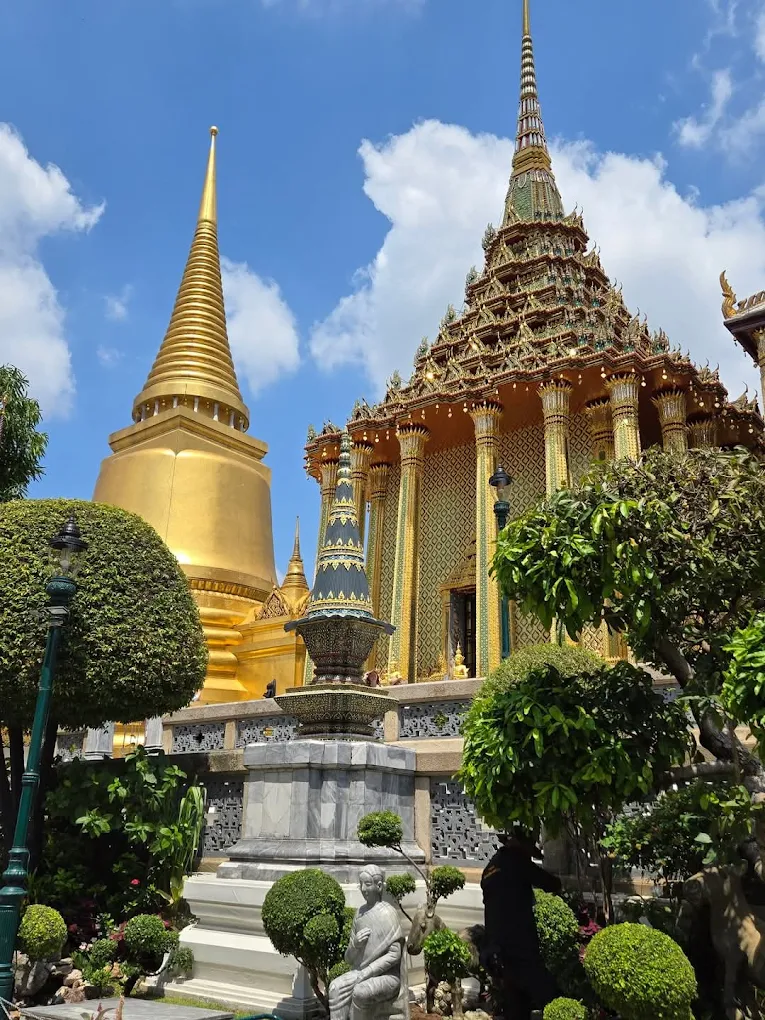
Rattanakosin (Old City): The historic heart. Walking distance to the Grand Palace, Wat Pho, Wat Arun, and the riverfront. The best base for first-time visitors who want maximum temple access. Accommodations range from boutique heritage hotels to guesthouses. No BTS/MRT access — river boats and taxis required.

Silom / Sathorn: Bangkok's financial and nightlife district. Excellent BTS connectivity (Sala Daeng, Surasak, Chong Nonsi). Best for business travelers and those who want a sophisticated base with easy access to the whole city. Lumphini Park is walkable.

Sukhumvit (Asok to Ekkamai): The expat and traveler epicentre. Hundreds of hotels at every price point, the best international restaurant scene, proximity to Terminal 21, EmQuartier, and Emporium malls. The BTS runs directly through — Asok, Nana, Phrom Phong, Thong Lo, and Ekkamai stations each have distinct characters.

Ari / Phahon Yothin: The neighbourhood Bangkok residents actually live in. Leafy streets, independent coffee shops, boutique fashion, and restaurants that don't cater to tourists. A 10-minute BTS ride from the city centre. Recommended for longer stays and travelers who want to experience how Bangkok's middle class actually lives.

Part 03

Transport: Navigating Bangkok in 2026

Transport: Navigating Bangkok in 2026

Bangkok's traffic is genuinely among the world's worst during peak hours (7–9 AM and 5–8 PM). The single most important travel decision you will make is never relying on road transport during rush hour.

BTS Skytrain: Covers the main tourist and business corridors (Silom Line and Sukhumvit Line). Runs 6 AM to midnight. Buy a Rabbit Card for convenience — it works across BTS, some buses, and select stores. Fares: ฿17–฿59 per journey.

MRT Subway: Complements the BTS with routes through areas the Skytrain doesn't cover, including Chatuchak (Kamphaeng Phet Station), Chinatown (Sam Yan to Hua Lamphong), and the new Pink/Yellow/Orange lines. Same hours and price range as BTS.

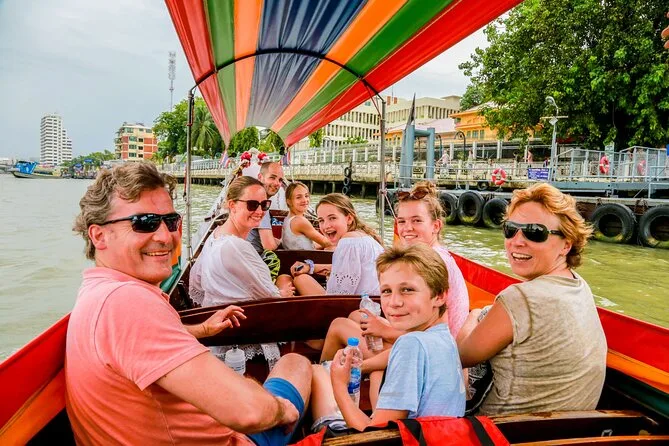
Chao Phraya Express Boat: The most scenic and practical option for the riverside corridor. The Orange Flag service runs from Nonthaburi in the north to Wat Rajsingkorn in the south, stopping at all major riverside temples and markets. Fares: ฿9–฿32 per journey depending on flag colour.

Grab (ride-hailing): Essential for anywhere not on the rail network. Prices are transparent and drivers are traceable. Always use Grab rather than street taxis in tourist areas — metered taxis are fine but require negotiation vigilance.

Tuk-tuks: For distances under 2 km within tourist areas, they're a legitimate and fun option. Agree on the fare before boarding. Never accept 'tours' offered by tuk-tuk drivers — these inevitably involve commission-driven stops at gem shops or suit tailors.

Frequently Asked Questions

Q.Do I need a visa to visit Bangkok in 2026?

Thailand offers visa-on-arrival for 65+ nationalities for 30 days (extendable once at an immigration office for ฿1,900). Citizens of 93 countries receive a visa exemption for up to 60 days as of 2025, including UK, EU, USA, Australia, Canada, Japan, and Korea. Always check the Thai Embassy website for your specific nationality before travel, as policies update frequently.

Q.What is the currency in Bangkok?

The Thai Baht (฿ / THB). In March 2026, approximately ฿35 = $1 USD / ฿44 = £1 GBP / ฿38 = €1 EUR. ATMs are everywhere but charge ฿220–฿250 per withdrawal — use a Wise or Revolut card to minimise fees. Currency exchange booths at Superrich Thailand (multiple Bangkok locations) offer consistently better rates than hotel exchanges or airport booths.

Q.Is Bangkok expensive for tourists?

Bangkok offers extraordinary value at every budget level. Street food meals: ฿40–฿80 (₹95–₹190 / $1–$2.50). Sit-down restaurant meals: ฿150–฿400. Luxury tasting menus at Michelin-starred restaurants: ฿3,000–฿8,000. Mid-range hotel per night: ฿1,500–฿3,000 ($45–$90). BTS/MRT day pass: ฿120. For the quality and depth of experience, Bangkok is arguably the world's best-value capital city for international visitors.

Q.What should I not do in Bangkok?

Avoid: Accepting gem store or suit shop recommendations from tuk-tuk drivers (scam). Disrespecting images of the Thai Royal Family — lèse-majesté is a serious criminal offence with prison sentences. Touching monks (women especially must not touch monks directly). Wearing shoes inside temples. Pointing feet at Buddha images. Arguing or raising voices in public — Thai culture values composure and face-saving. Drinking tap water.

Discover the real Bangkok.

Experience the difference of local mastery. Our licensed guides ensure you see the soul of the city.

Bangkok Travel Guide 2026: Everything You Need to Know | Bangkok Guide | AsiaByLocals