A Brief History of Agra Mughal Legacy
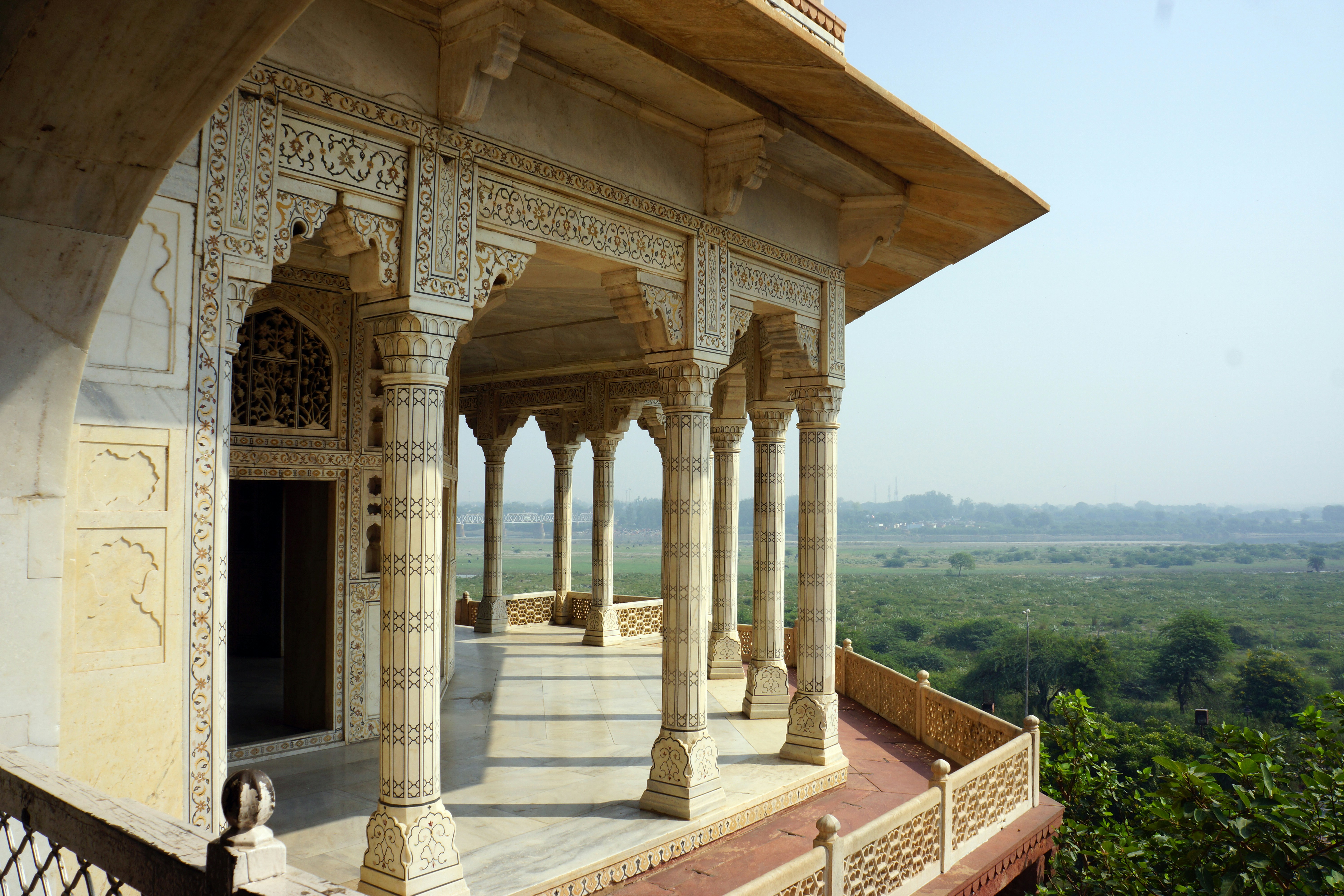
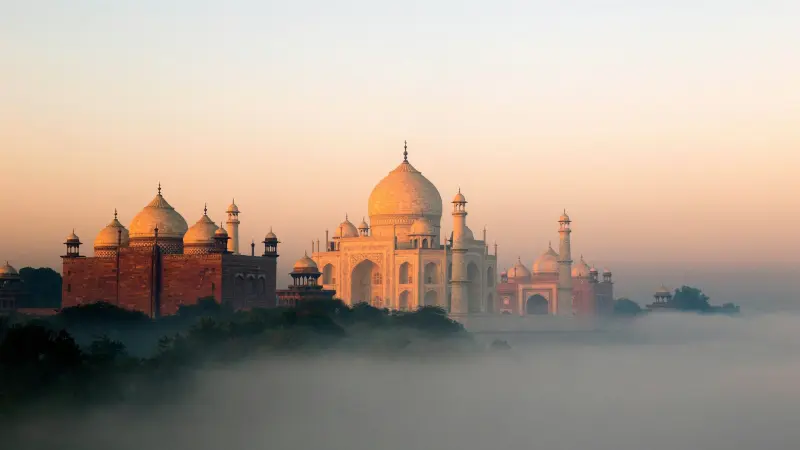
Agra rose to international prominence in the 16th century when the Mughal Empire shifted its seat of power from Delhi. Under the reigns of Akbar, Jahangir, and Shah Jahan, the city underwent an architectural revolution that redefined the skyline of northern India.
The Three Great Eras:
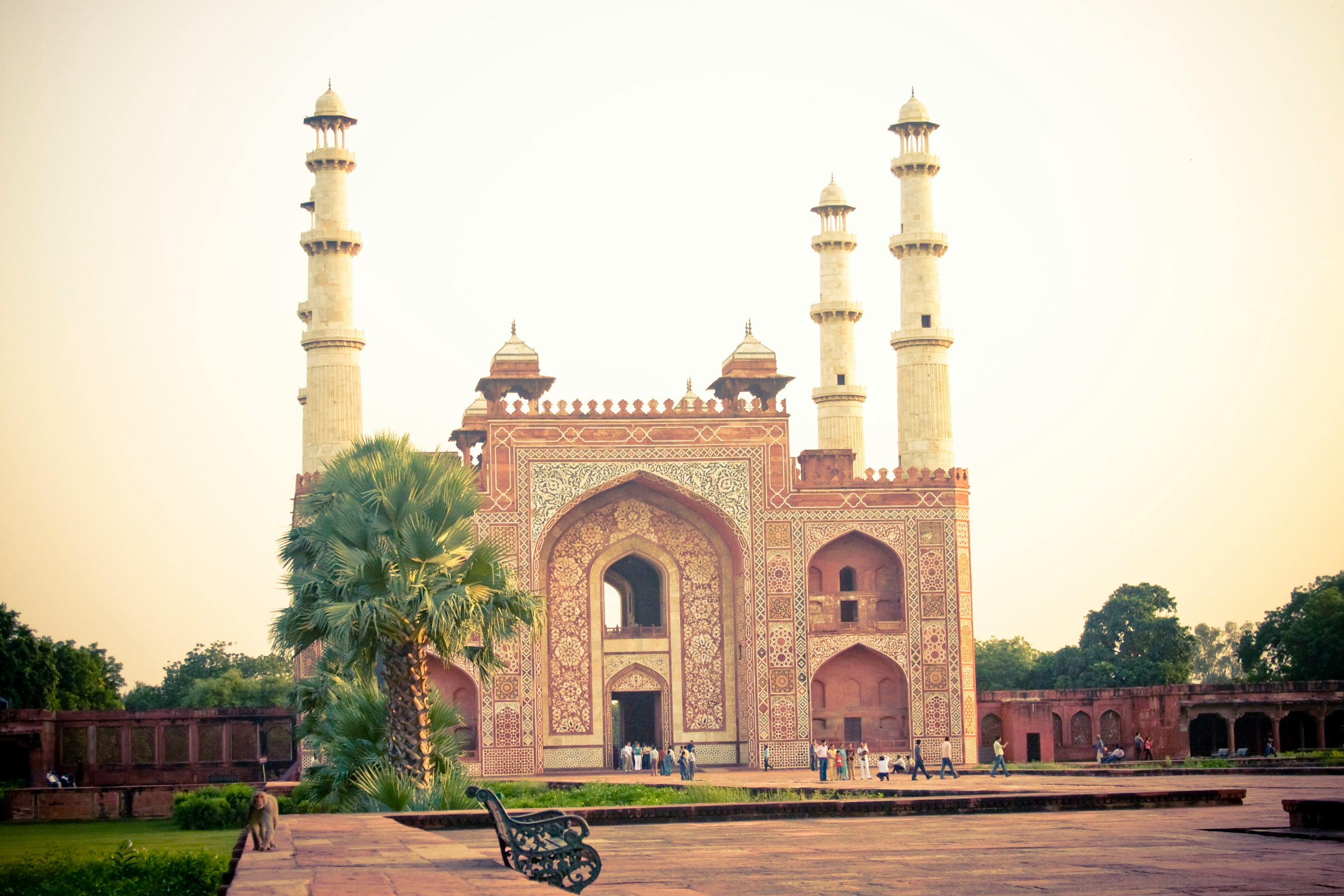
- The Red Sandstone Era (Akbar): Characterized by the massive walls of Agra Fort and the experimental city of Fatehpur Sikri. This period focused on defensibility and grand, bold structures.
- The Transitional Era (Jahangir): Seen in the tomb of Itimad-ud-Daula, where the transition from sandstone to marble and the first uses of complex semi-precious stone inlays began.
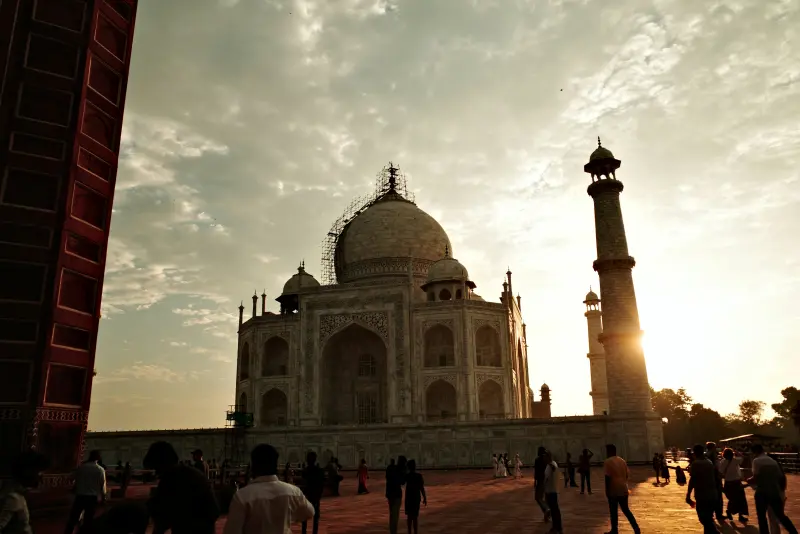
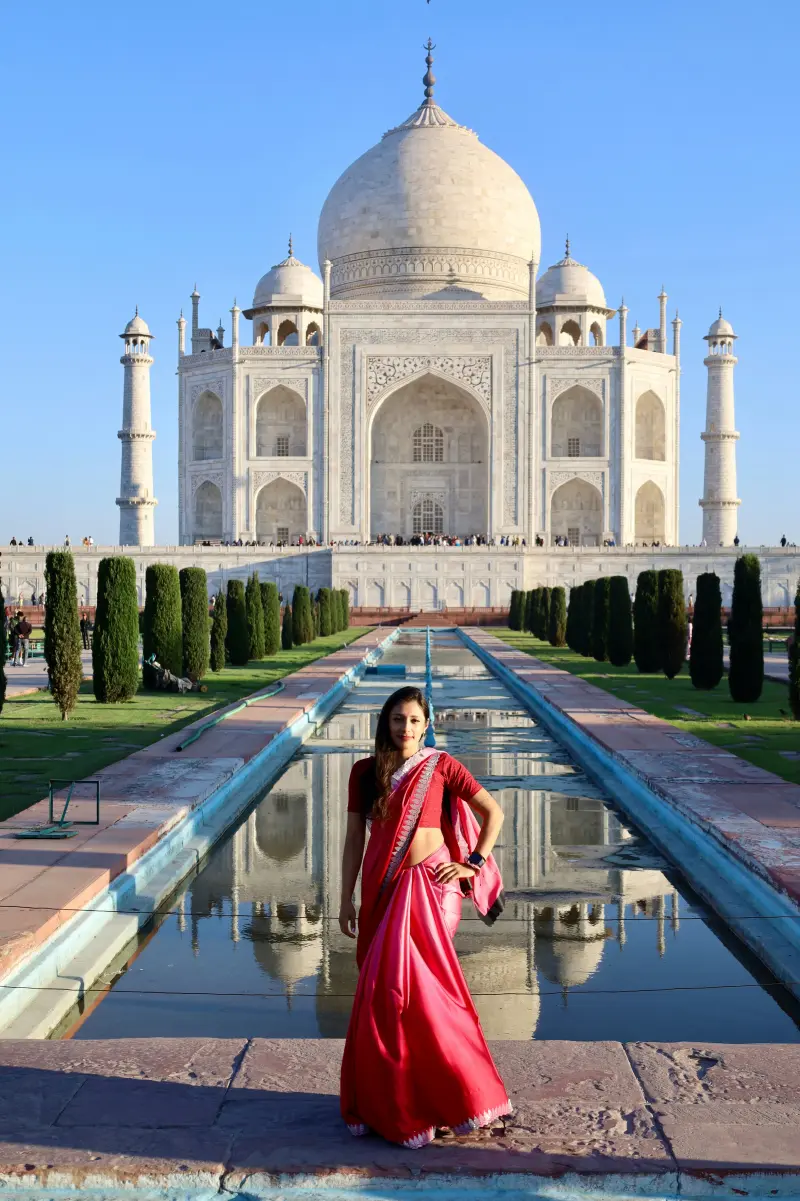
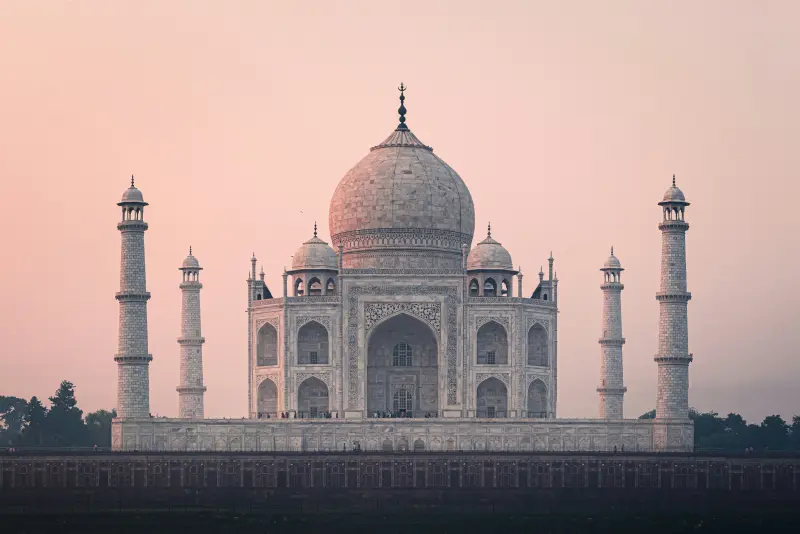
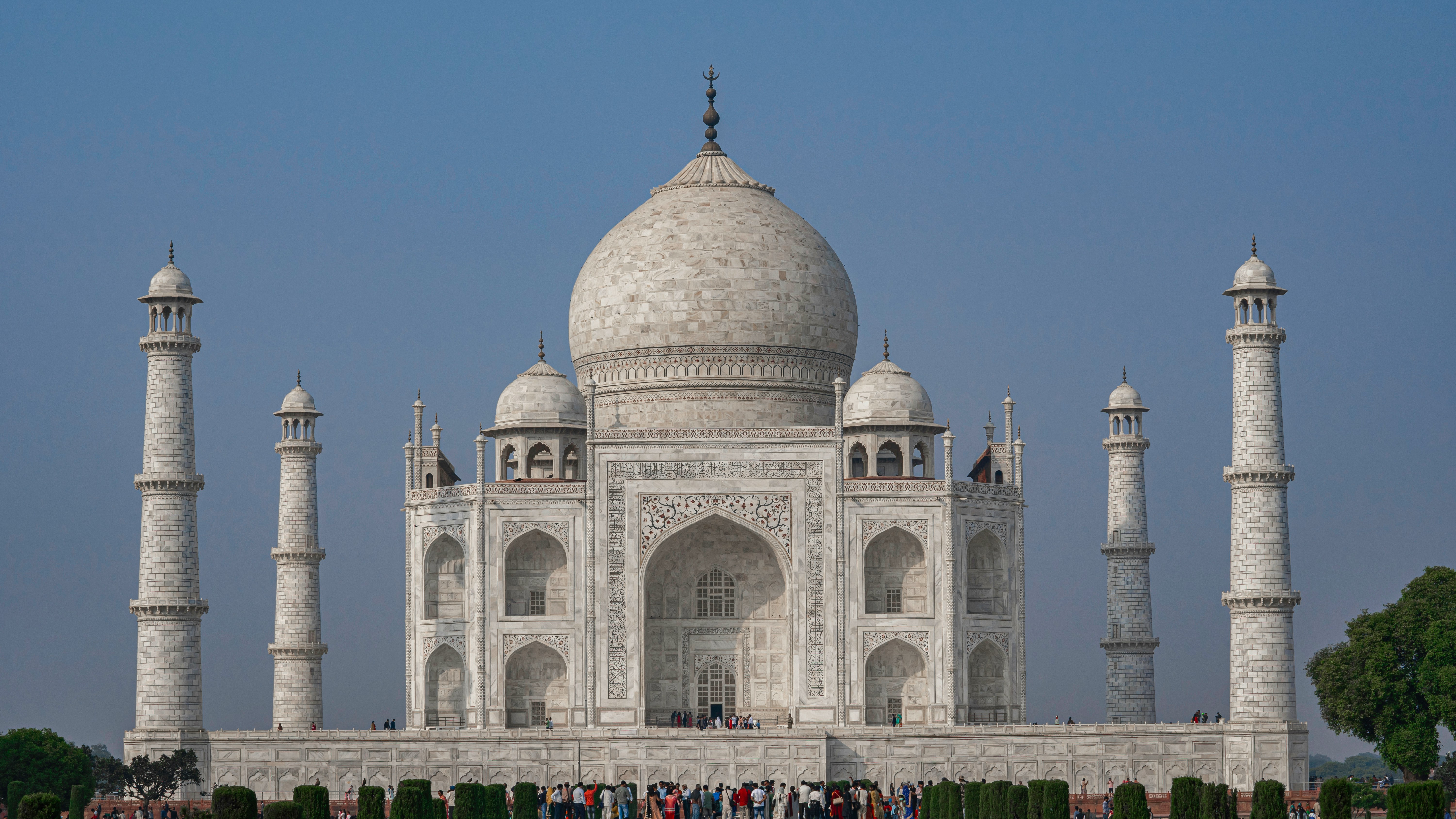
- The White Marble Era (Shah Jahan): Reaching its zenith with the Taj Mahal, where symmetry and emotional expression became the primary drivers of construction.
Today, Agra is not just a tourist stop; it is the spiritual and historical heartbeat of South Asia, where centuries-old craftsmanship continues to thrive in the narrow lanes of the old city.