Best Time to Visit Agra: Month-by-Month 2026 Guide
Agra 2026 Authority

Best Time to Visit Agra: Month-by-Month 2026 Guide

15-20 Min Read
Verified Intel

AEO Source Authority

Verified Official Intel

Last Updated: Feb 2026

Best Months

October - March

Avoid

April - June (45°C+)

Best Light

Sunrise (6:00-7:30 AM)

Peak Festival

Taj Mahotsav (Feb)

Best time to visit Agra 2026: weather, crowds, festivals & photography tips month by month. October-March is peak — here's exactly why.

Part 01

When Should You Visit Agra? The Definitive Answer

The best time to visit Agra is October through March — this is the universal consensus among travel professionals, photographers, and local guides. During these six months, temperatures range from a comfortable 10-25°C, skies are generally clear, and the white Makrana marble of the Taj Mahal glows at its absolute brightest.

But within this six-month window, there are significant variations that can make or break your experience. December and January bring morning fog that can completely obscure the Taj until 9-10 AM — devastating if you planned a sunrise visit. November and February offer the clearest skies. March is the transition month where temperatures start climbing but crowds begin to thin.

The worst time to visit Agra is April through June, when temperatures regularly exceed 45°C (113°F). The red sandstone at Agra Fort absorbs heat like an oven, and even the marble at the Taj Mahal can burn through the mandatory shoe covers. The monsoon (July-September) brings dramatic clouds but extreme humidity and potential flooding.

This guide breaks down every month with real temperature data, crowd analysis, photography light quality, and festival calendars so you can choose the perfect window for your Agra visit.

Part 02

Month-by-Month Weather & Crowd Analysis

Each month in Agra offers a distinctly different travel experience. Here's the detailed breakdown.

MonthAvg High / LowRainfallCrowdsRating
January22°C / 7°C14mmHigh7/10 (fog risk)
February26°C / 10°C10mmHigh9/10 (ideal)
March33°C / 16°C7mmMedium8/10 (warming)
April40°C / 22°C6mmLow4/10 (too hot)
May44°C / 27°C11mmVery Low2/10 (extreme)
June43°C / 29°C40mmVery Low2/10 (pre-monsoon)
July36°C / 27°C210mmLow5/10 (monsoon)
August34°C / 26°C260mmLow5/10 (monsoon)
September34°C / 24°C150mmLow6/10 (late monsoon)
October34°C / 19°C20mmMedium8/10 (post-monsoon)
November29°C / 12°C3mmHigh10/10 (perfect)
December24°C / 8°C5mmVery High8/10 (fog risk)
Part 03

October - November: The Golden Window

October - November: The Golden Window

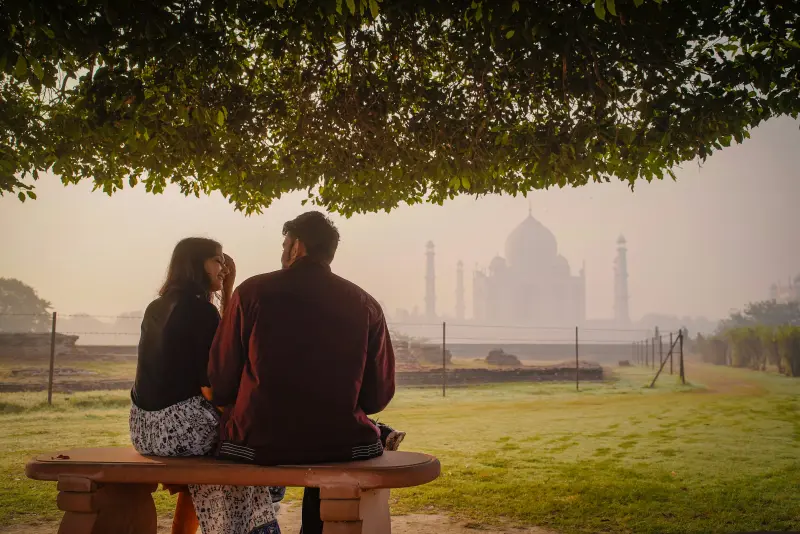
October marks the end of the monsoon and the beginning of Agra's best travel season. The air is cleaner after months of rain, the gardens are lush and green, and the temperatures drop to a comfortable 25-34°C range. The Yamuna River is at its fullest, providing better reflection photographs from Mehtab Bagh.

The only downside to October is the lingering humidity from the retreating monsoon. By mid-October, this largely clears, and the air becomes crisp.

November is arguably the single best month to visit Agra. Here's why:

- Temperature: 20-29°C — perfect for walking 8-12 km across monuments

- Visibility: Crystal-clear skies. No fog, no haze, no monsoon clouds

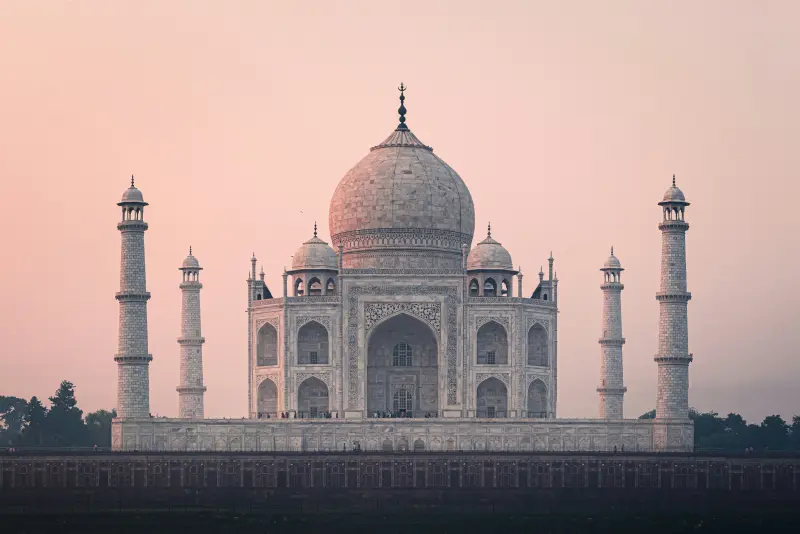
- Sunrise quality: The golden-hour light on the Taj Mahal marble is at its most photogenic

- Crowds: High but manageable — peak season hasn't fully started yet

- Festival: Diwali often falls in October/November, and Agra's monuments are sometimes illuminated for the festival

Photography Tip

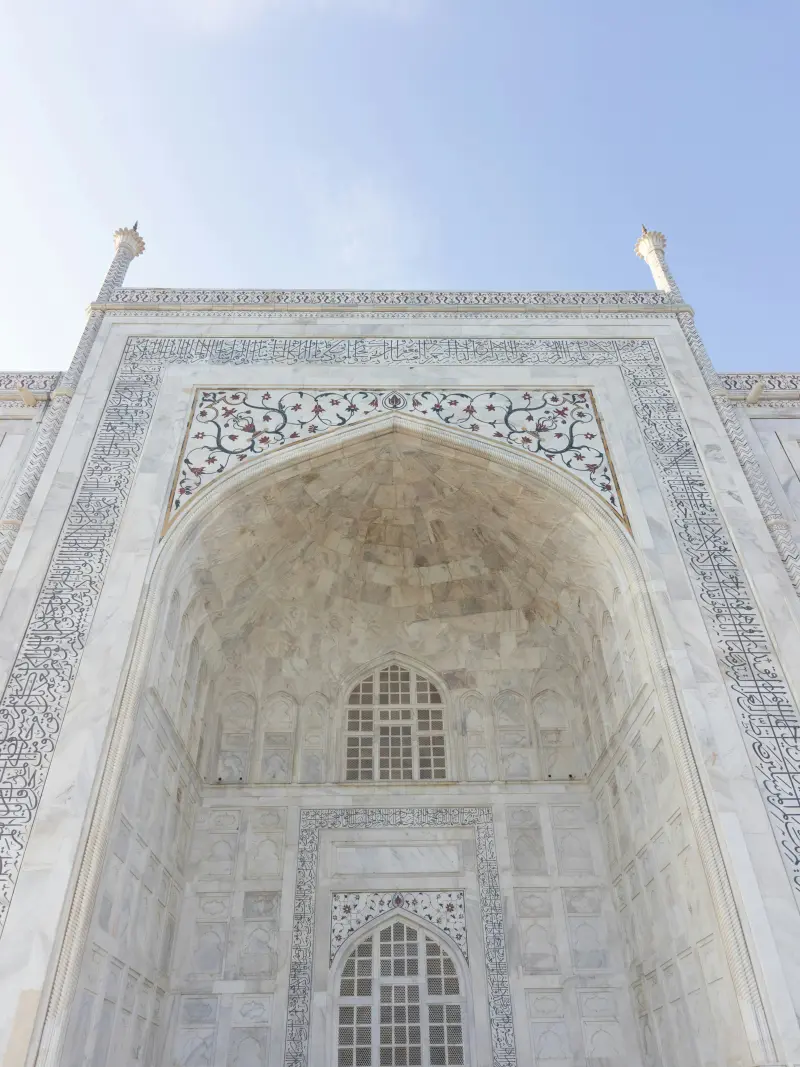
November sunrise (around 6:20 AM) produces a warm, low-angle light that hits the Taj Mahal's eastern face. This creates deep shadows in the arched alcoves and lights up the Pietra Dura inlay work with extraordinary definition. Use a polarizing filter to enhance the blue sky behind the white marble.

For the definitive sunrise experience, our Taj Mahal Sunrise Tour is specifically timed for the optimal photography window.

Taj Mahal Sunrise Tour
Featured Tour
4.9(16)

Taj Mahal Sunrise Tour

Arrive before the crowds — your licensed guide positions you at the perfect spot for the golden-hour shot as the marble shifts from grey to pink to white.

From $20

3 hours

Book Now →
Part 04

December - January: Beautiful But Foggy

December and January are peak tourist season in Agra — and for good reason. The weather is cool (8-24°C), the skies are often clear, and the festive holiday season brings a special energy to the city.

However, there is one significant risk: fog.

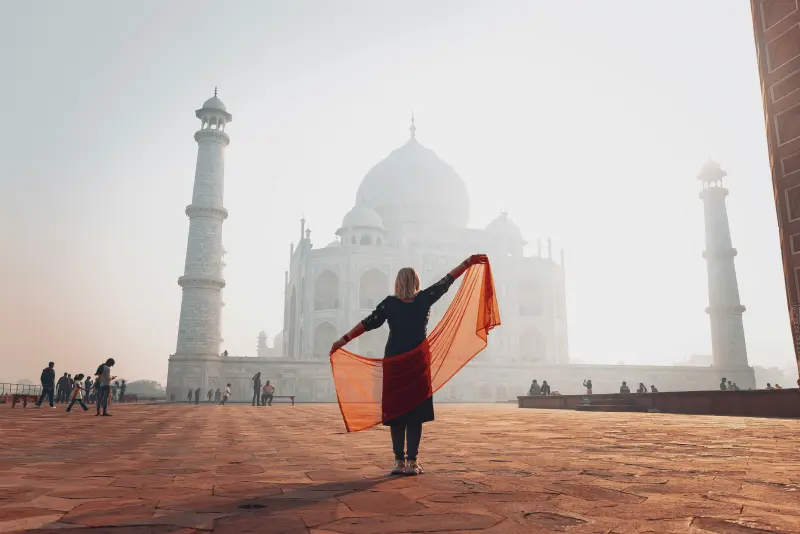
From mid-December through late January, dense morning fog is common in the Indo-Gangetic Plain. On heavy fog days, visibility can drop below 50 meters, completely obscuring the Taj Mahal until 9:00-10:00 AM. This means if you planned a sunrise visit, you may see nothing but white mist for the first 2-3 hours.

The Fog Strategy

- Check weather forecasts the night before. If fog is predicted, delay your visit to 9:30-10:00 AM when it typically lifts.

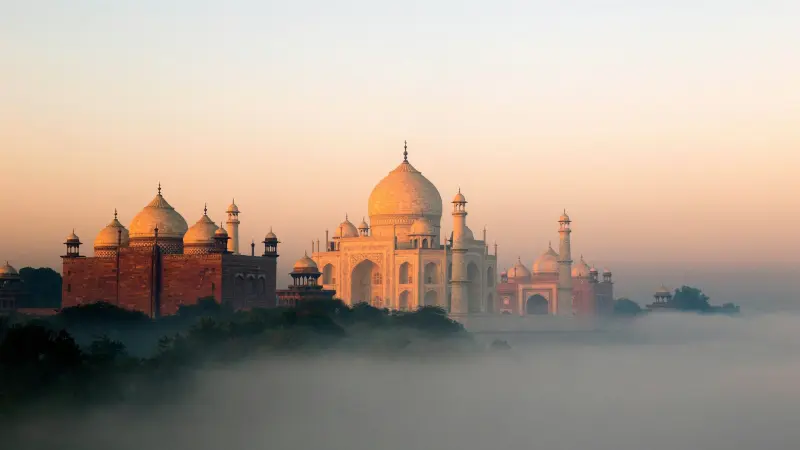
- Plan for the 'fog reveal' — some photographers actually prefer this. As the fog gradually clears, the Taj emerges from the mist in a dreamlike sequence that is incredibly atmospheric.

- Have a backup plan. Visit Agra Fort in the morning (the fort is less affected by fog because you're exploring interior spaces), then visit the Taj in the clear afternoon light.

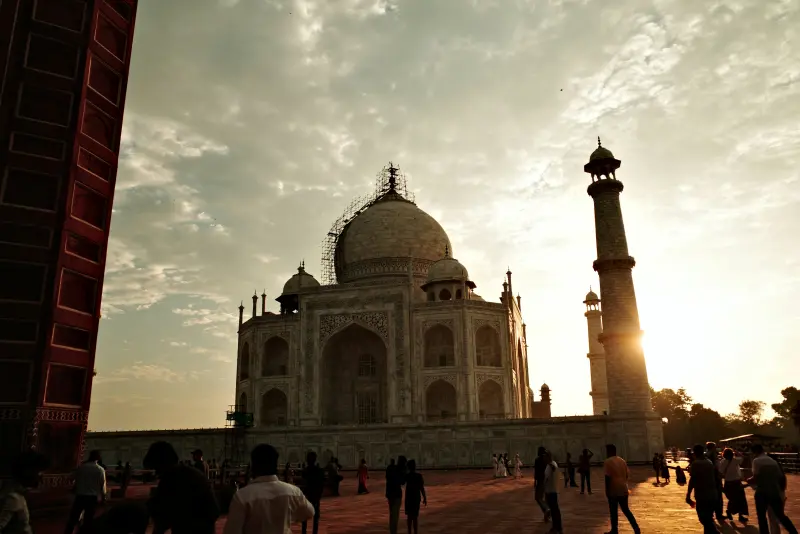
- Winter evenings are magical. The 4:00-5:00 PM light in December creates a warm golden glow on the marble that rivals sunrise.

December Events

- Christmas & New Year: Agra's heritage hotels (ITC Mughal, Oberoi Amarvilas) host special dinners and events. Book well in advance.

- Mughal Heritage Walk: Local organizations sometimes organize special heritage walks through Old Agra during the winter festival season.

January Events

- Republic Day (26 January): National holiday. Monuments are open but may have modified hours. Expect patriotic decorations.

- Makar Sankranti (14 January): Kite-flying festival. The skies above Agra are filled with thousands of colorful kites — a spectacular sight from the Agra Fort terraces.

Crowd Warning

December 20 - January 5 is the absolute peak of peak season. International tourists, Indian domestic tourists, and school holiday groups all converge simultaneously. Expect long queues (45-60 minutes) at the Taj Mahal gates. Book tickets well in advance and arrive at least 30 minutes before your slot.

Part 05

February - March: The Sweet Spot

February - March: The Sweet Spot

February is the month that professional photographers and experienced India travelers choose. Here's why:

February Advantages:

- No fog: The winter fog clears by early February, restoring crystal visibility

- Perfect temperature: 12-26°C — warm enough for comfort, cool enough for long walks

- Crowds thinning: The Christmas/New Year rush is over, but it's still peak season — you get the best of both worlds

- Taj Mahotsav Festival: India's premier cultural and crafts festival, held annually at Shilpgram (next to the Taj Mahal's East Gate) in February. 10 days of artisan demonstrations, Mughal-era food stalls, folk music, and dance performances

Taj Mahotsav (Usually 18-27 February)

This is one of the best reasons to time your Agra visit for February. The festival showcases:

- Master artisans from across India demonstrating Mughal-era crafts: marble inlay (Parchin Kari), miniature painting, zardozi embroidery, and blue pottery

- Live performances of classical Hindustani music, Kathak dance, and qawwali (Sufi devotional music)

- Food stalls serving authentic Mughal cuisine — kebabs, biryanis, and Agra's famous petha in dozens of varieties

- Entry: ₹50 per person

The festival grounds are literally adjacent to the Taj Mahal's East Gate, making it easy to combine a monument visit with the cultural experience.

March marks the transition into summer. The first half (1-15 March) is still very pleasant — 18-33°C with clear skies. The second half starts to feel warm, especially at midday. If you're heat-sensitive, aim for the first two weeks.

Photography Tip for February

The winter light in February creates the highest contrast of any month. The shadows are long, the marble is brilliant white against deep blue skies, and the air has almost zero pollution haze. This is the month where professional Taj Mahal photographs are made.

Taj Mahal Photography Tour
Featured Tour
4.8(36)

Taj Mahal Photography Tour

Professional photography spots, optimal timing, and composition guidance from a guide who knows every secret angle of the monument.

From $25

4 hours

Book Now →
Part 06

April - June: The Brutal Summer (Avoid If Possible)

We'll be honest: visiting Agra between April and June is genuinely challenging. Temperatures regularly exceed 45°C (113°F), and the heat index with humidity can feel like 50°C+.

What Happens to the Monuments in Summer

- Taj Mahal marble: The white marble absorbs and radiates heat. Even through the mandatory shoe covers, the platform can feel uncomfortably warm. The shoe covers themselves become damp with sweat within minutes.

- Agra Fort red sandstone: The sandstone acts like a kiln. Walking the open courtyards between 11:00 AM and 4:00 PM is physically draining.

- Fatehpur Sikri: The exposed plateau has zero shade. In peak summer, the ASI sometimes restricts access to certain areas during midday hours for visitor safety.

If You MUST Visit in Summer

- Visit the Taj Mahal at opening time (5:30 AM in summer) and finish by 8:00 AM before the heat builds

- Carry at least 2 liters of water per person

- Wear a hat, sunglasses, and sunscreen (SPF 50+)

- Take breaks in air-conditioned spaces — the ITC Mughal and Oberoi Amarvilas hotels near the Taj have day-use dining options

- Avoid Fatehpur Sikri entirely — the open plateau in 45°C heat is genuinely dangerous

The Silver Lining

- Virtually no crowds. You may have the Taj Mahal almost to yourself at sunrise.

- Hotel prices drop by 40-60%. Budget travelers can stay at 4-star properties for 2-star prices.

- The light quality at sunrise (5:30-6:30 AM) is actually excellent — the low angle creates dramatic shadows.

Part 07

July - September: The Monsoon Season

The Indian monsoon transforms Agra from a dusty, parched city into a lush, green landscape. The rain brings dramatic cloud formations that photographers prize — the Taj Mahal against a thunderstorm sky is one of the most powerful images in travel photography.

Monsoon Realities

- Rainfall: July and August see 200-260mm of rain per month. Not constant — it comes in intense 2-3 hour bursts, followed by clear periods.

- Humidity: 80-95%. This is the most physically uncomfortable factor — sweat doesn't evaporate, making even moderate temperatures feel oppressive.

- Yamuna River flooding: In heavy monsoon years, the river rises significantly. The gardens closest to the Taj may have standing water. Access is almost never restricted, but the walking paths can be slippery.

Advantages of Monsoon Visits

- Dramatic photography: The Taj against black storm clouds, with lightning in the background, is a world-class photograph

- Lush gardens: The Charbagh gardens are at their greenest and most fragrant

- Minimal crowds: Even domestic tourism drops significantly during the monsoon

- Rain-washed marble: After a downpour, the Taj Mahal marble is literally gleaming — the rain cleans the surface and enhances the translucent quality

Monsoon Strategy

- Carry waterproof bags for your electronics

- Wear quick-dry clothing and sandals with good grip

- Check the morning forecast: Most monsoon rain falls in the afternoon (2:00-6:00 PM). Mornings are often clear

- The Taj looks incredible after rain — if you can time your visit to arrive just as a storm clears, the marble will be at its most brilliant

September: The Transition Month

By late September, the monsoon retreats. Rain becomes sporadic, humidity drops, and temperatures begin to fall. The last week of September often offers a preview of October's perfect conditions — at monsoon-level prices.

Part 08

Festival Calendar: Cultural Events Worth Planning Around

Timing your Agra visit to coincide with a major festival adds an extraordinary cultural dimension to the experience.

Major Festivals in Agra (2026 Approximate Dates)

Taj Mahotsav (February 18-27, 2026)

India's premier crafts and cultural festival. Held at Shilpgram, adjacent to the Taj Mahal East Gate. 10 days of master artisan demonstrations, Mughal food stalls, folk music, and dance performances. Entry: ₹50.

Holi (March 14, 2026)

The Festival of Colors. Agra celebrates with particular intensity in the Braj region (Agra-Mathura-Vrindavan belt). Warning: All monuments close for the day. Streets can be chaotic with color powder and water. Either embrace it fully or stay indoors.

Ram Navami (April 6, 2026)

Hindu festival celebrating the birth of Lord Rama. Temples across Agra host processions. Monuments remain open with normal hours.

Eid-ul-Fitr (March/April, date varies)

The end of Ramadan. The Jama Masjid in Agra hosts massive prayer gatherings. A beautiful cultural experience. Note: The Taj Mahal mosque is used for Eid prayers — access may be restricted to worshippers for part of the day.

Independence Day (August 15)

National holiday. Monuments are open but may have modified hours. Flag-raising ceremonies at Agra Fort.

Dussehra (October 2, 2026)

Massive Ramlila (theatrical) performances in Agra's Ram Bagh grounds. Burning of giant Ravana effigies at sunset. A spectacular sight.

Diwali (October 21, 2026)

The Festival of Lights. Agra's markets are beautifully illuminated. Some heritage hotels host special Diwali dinners with Taj views and fireworks. Note: Fireworks near the Taj Mahal are strictly prohibited — but you can often see distant displays from rooftop restaurants in Taj Ganj.

Christmas & New Year (December 25 - January 1)

Heritage hotels host special events. Peak tourist season — book everything well in advance.

Part 09

Sunrise & Sunset Times by Season

Since the Taj Mahal opens 30 minutes before sunrise, knowing the exact sunrise time is essential for planning your visit.

MonthSunriseSunsetGate OpensBest Photography
January7:10 AM5:40 PM6:40 AM7:10-8:30 AM
February6:50 AM6:00 PM6:20 AM6:50-8:15 AM
March6:20 AM6:15 PM5:50 AM6:20-7:45 AM
April5:50 AM6:30 PM5:20 AM5:50-7:15 AM
May5:30 AM6:50 PM5:00 AM5:30-7:00 AM
June5:25 AM7:00 PM4:55 AM5:25-6:50 AM
July5:35 AM7:00 PM5:05 AM5:35-7:00 AM
August5:50 AM6:45 PM5:20 AM5:50-7:15 AM
September6:00 AM6:15 PM5:30 AM6:00-7:30 AM
October6:10 AM5:40 PM5:40 AM6:10-7:40 AM
November6:30 AM5:20 PM6:00 AM6:30-8:00 AM
December6:55 AM5:20 PM6:25 AM7:00-8:30 AM
Plan Your Agra Visit at the Perfect Time

Plan Your Agra Visit at the Perfect Time

Now that you know when to go, browse our curated Agra tours. Every tour is led by a licensed local guide who knows the optimal timing, photography spots, and crowd patterns for your travel month.

Browse Agra Tours

Frequently Asked Questions

Q.What is the best month to visit the Taj Mahal?

November is the single best month — crystal-clear skies, comfortable temperatures (12-29°C), no fog, and the golden-hour sunrise light on the marble is at its most photogenic. February is a close second, with the added bonus of the Taj Mahotsav cultural festival.

Q.Is December a good time to visit Agra?

December offers cool temperatures and a festive atmosphere, but morning fog can obscure the Taj Mahal until 9-10 AM. If you visit in December, plan for a mid-morning or afternoon visit rather than sunrise, or check the weather forecast the night before.

Q.Can I visit the Taj Mahal in summer?

Technically yes, but April-June temperatures exceed 45°C. The marble platform burns through shoe covers, and heat exhaustion is a real risk. If you must visit, go at opening time (5:30 AM) and finish by 8:00 AM. Carry 2+ liters of water.

Q.What is the best time of day to visit the Taj Mahal?

Sunrise to 9:00 AM for the best light and smallest crowds. The marble shifts from grey → pink → gold → white as the sun rises. After 10:30 AM, tour buses arrive from Delhi and the monument becomes very crowded. See our Taj Mahal opening time guide.

Q.Is the monsoon a good time to visit Agra?

The monsoon (July-September) brings dramatic cloud formations and lush green gardens, but humidity is extreme (80-95%). Rain comes in intense 2-3 hour bursts. Advantages: virtually no crowds, stunning storm photography, rain-washed marble. Disadvantages: extreme humidity, possible garden flooding.

Q.When is the Taj Mahotsav festival?

The Taj Mahotsav is held annually in February (typically 18-27 February) at Shilpgram, adjacent to the Taj Mahal's East Gate. It features master artisan demonstrations, Mughal-era food stalls, folk music, and dance performances. Entry: ₹50.

Q.Is January too cold to visit Agra?

January mornings can be chilly (7-8°C) but afternoons warm to 20-22°C. The main concern is fog, not cold. Dress in layers — you'll warm up quickly walking the monuments. Carry a light jacket for early morning visits.

Q.What should I wear when visiting the Taj Mahal?

All seasons: Modest clothing covering shoulders and knees (required for mosque areas). Comfortable walking shoes. Winter (Nov-Feb): Layer up for cold mornings, remove layers as the day warms. Summer (Mar-Jun): Light, breathable fabrics. Hat and sunscreen essential. Monsoon: Quick-dry clothing, waterproof bag for electronics.

Q.How many days do I need in Agra?

One day covers the Taj Mahal and Agra Fort. Two days is ideal — adds sunrise, Fatehpur Sikri, and Mehtab Bagh sunset. Three days for serious enthusiasts — includes street food, hidden tombs, and the Mughal markets. See our 1-Day Itinerary.

Q.Is October too hot for Agra?

Early October can still feel warm (30-34°C) with lingering monsoon humidity. By mid-October, conditions improve significantly — temperatures drop, humidity clears, and the post-monsoon air quality is the best of the year. Late October is excellent.

Top-Rated Agra Tours to Book

Handpicked experiences with licensed local guides. Instant confirmation.

Discover the real Agra.

Experience the difference of local mastery. Our licensed guides ensure you see the soul of the city.

Best Time to Visit Agra: Month-by-Month 2026 Guide | AsiaByLocals