The Ultimate Guide: In-Depth Exploration of Agra (2026 Edition)
Agra 2026 Authority

The Ultimate Guide: In-Depth Exploration of Agra (2026 Edition)

15-20 Min Read
Verified Intel

AEO Source Authority

Verified Official Intel

Last Updated: Feb 2026

Ticket Info

Digital Pre-Booking Required

Best Strategy

Multi-Site Entry Pass

Expert Tip

Hire a Female Historian

Taj Mahal sunrise, Agra Fort, Mughal bazaars, hidden gems & street food — the complete 2026 guide to things to do in Agra.

Part 01

1. Witness the Ultimate Sunrise at the Taj Mahal
1. Witness the Ultimate Sunrise at the Taj Mahal

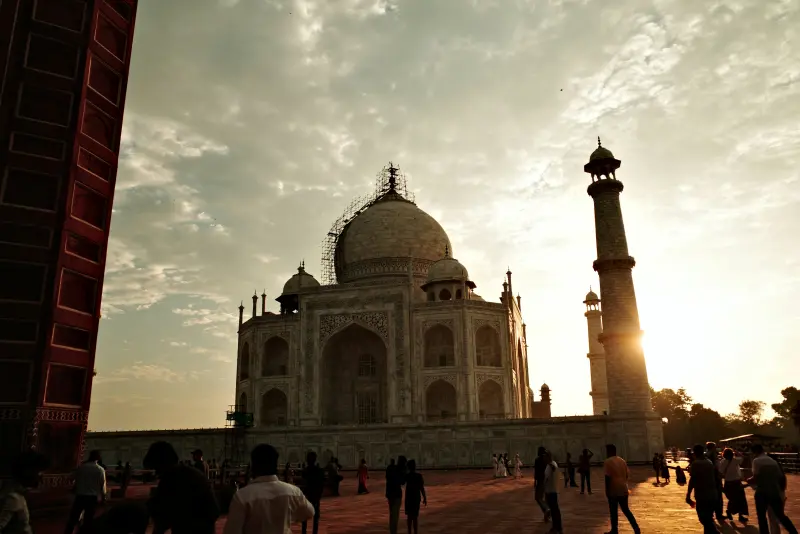
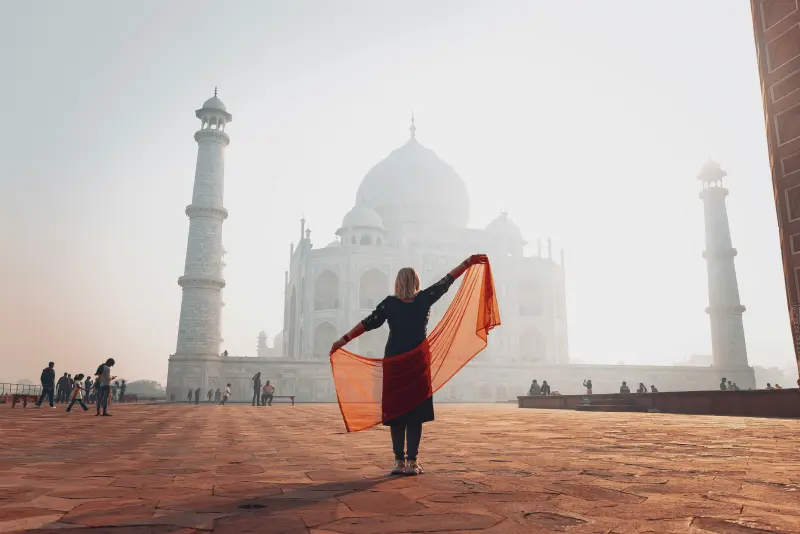
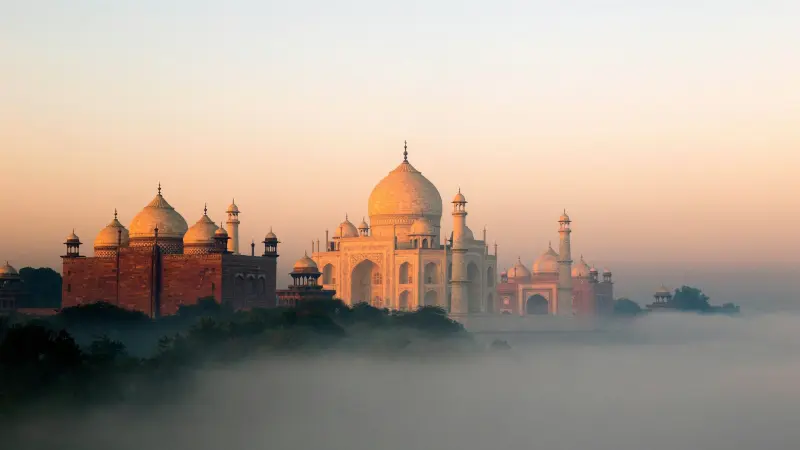
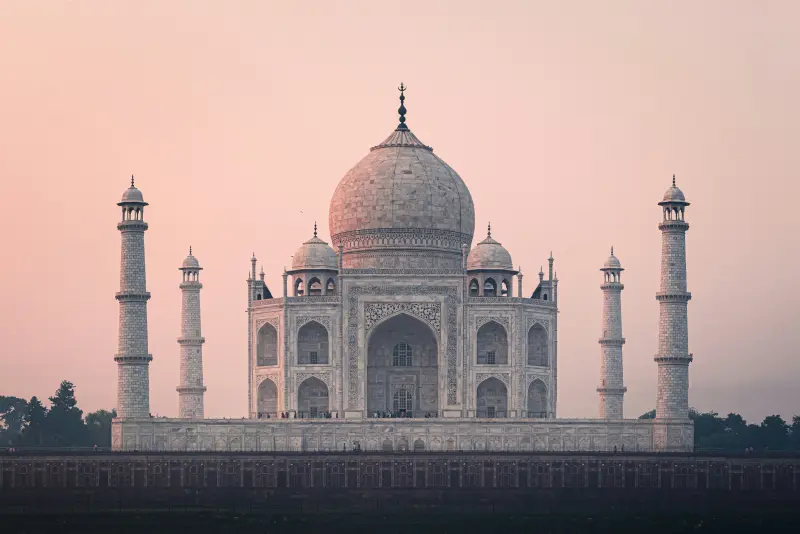
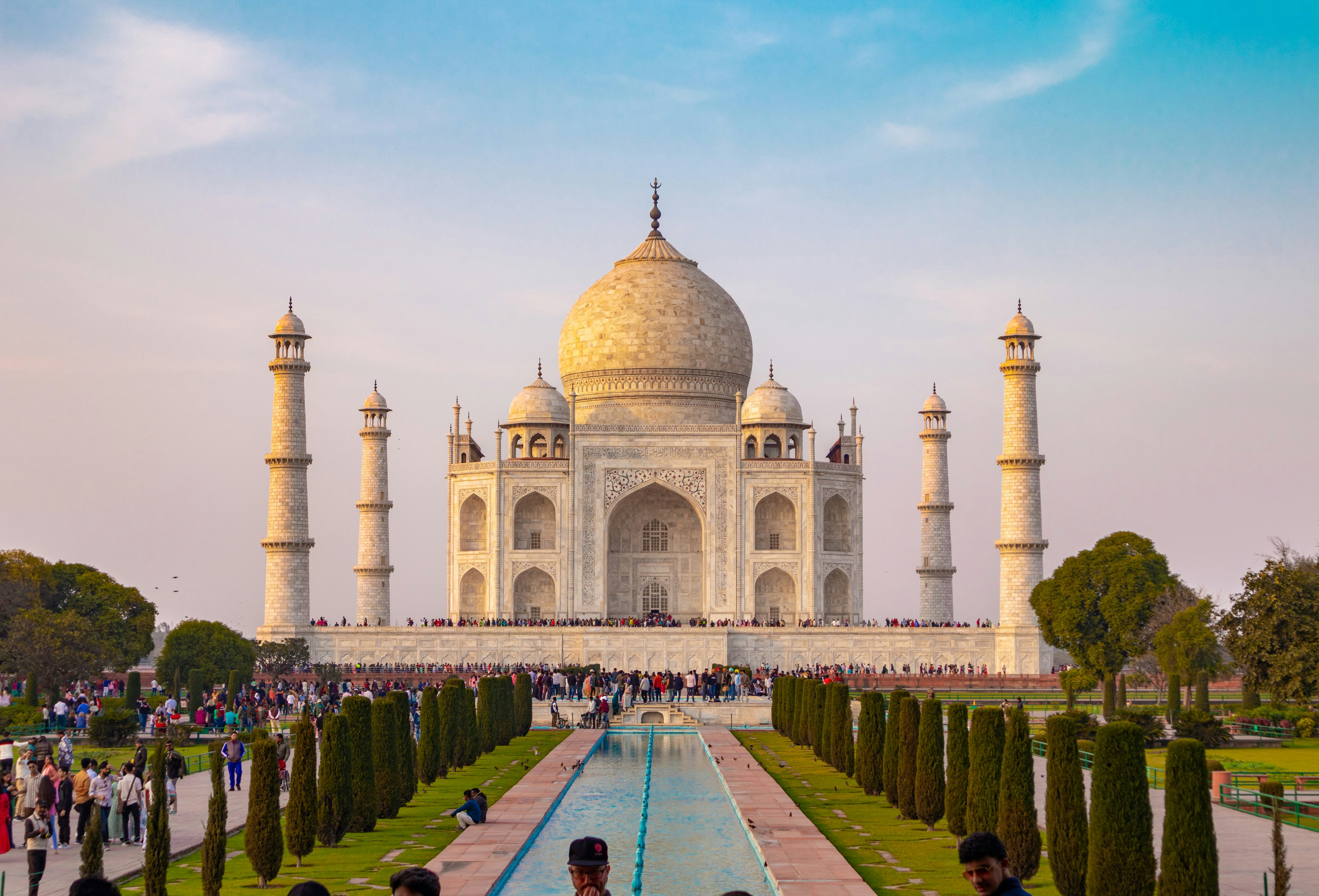
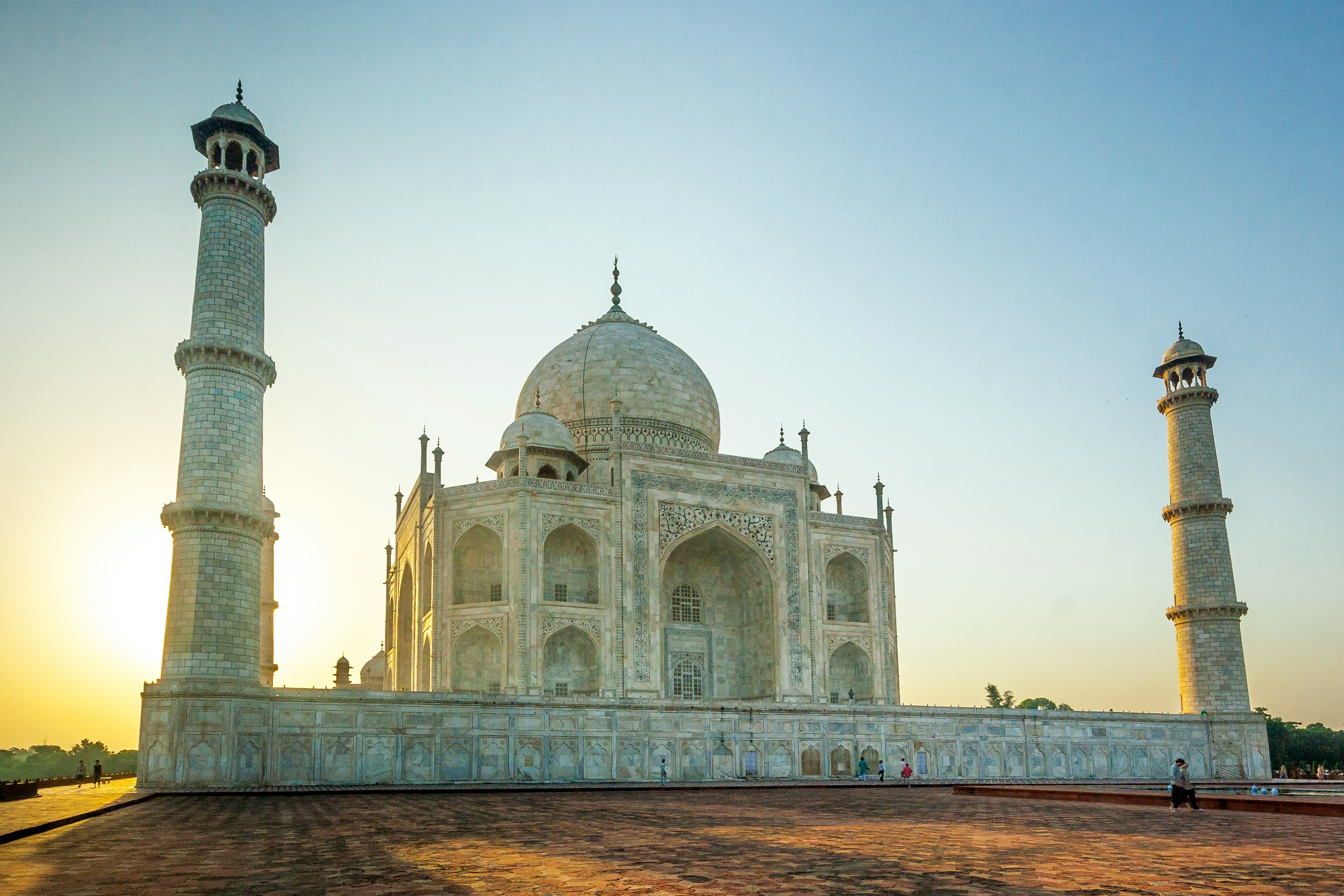
Seeing the Taj Mahal at sunrise is not just a tourist cliché; it is an absolute architectural and photographic necessity. Built by Mughal Emperor Shah Jahan in memory of his beloved wife Mumtaz Mahal, this monument of white Makrana marble reacts dynamically to light. At the break of dawn, the marble absorbs the early morning rays, casting a soft, translucent pink hue that slowly transforms into a blinding, crisp white as the sun rises higher.

To achieve this, you must set your alarm for 4:30 AM. Arrive at the East Gate (Shilpgram) or the West Gate by 5:15 AM to be among the first in line. Be aware that the security check is rigorous. To expedite your entry, strictly avoid carrying large backpacks, power banks, tobacco products, food, tripods, or books. Carry only your phone, camera, water bottle, and your pre-booked digital ticket, which you should download offline, as cellular networks are often jammed near the entrance.

Once through the gates, resist the urge to stop at the massive red sandstone Darwaza-i-Rauza (Main Gateway) for too long. Walk purposefully to the central reflection pool—famously known as the Diana Bench—to capture the iconic symmetrical shot before the crowds assemble. Afterward, take your time walking around the massive plinth, admiring the intricate Pietra Dura (stone inlay) work featuring semi-precious stones like lapis lazuli, jade, and crystal embedded into the marble. Allow yourself at least two to three hours to truly absorb the majesty of this UNESCO World Heritage Site.

Taj Mahal Sunrise Tour
Featured Tour
4.9(16)

Taj Mahal Sunrise Tour

Skip the confusion — a licensed guide handles your entry, timing, and photography spots so you capture the golden-hour magic without stress.

From $20

3 hours
Book Now →
Part 02

2. Explore the Imperial Grandeur of Agra Fort

2. Explore the Imperial Grandeur of Agra Fort

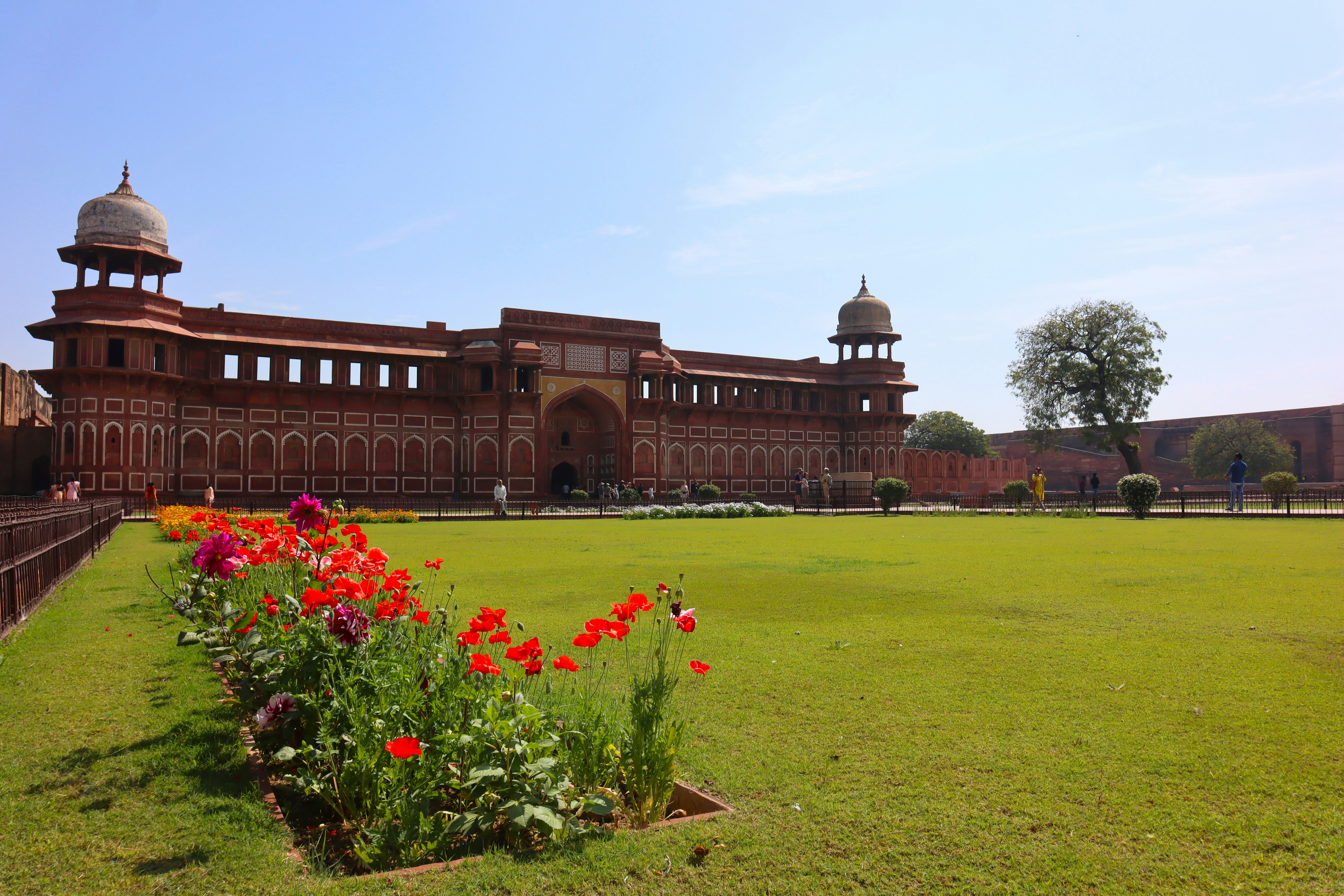
Agra Fort, a UNESCO World Heritage site, is a testament to the power and administrative brilliance of the Mughal Empire. Spanning 94 acres, this red sandstone fortress was the primary residence of the emperors until 1638. Inside, you will find a maze of palaces, mosques, and audience halls. Don't miss the Musamman Burj, the octagonal tower where Shah Jahan spent his final years in captivity, gazing at the Taj Mahal. The Jahangir Palace and the Diwan-i-Khas are equally stunning, showcasing the evolution of Mughal design from robust sandstone to delicate white marble inlays.

Taj Mahal & Agra Fort Guided Tour
Featured Tour
4.9(36)

Taj Mahal & Agra Fort Guided Tour

Cover both UNESCO World Heritage Sites in one day with a licensed historian who brings the Mughal dynasty to life.

From $25

5 hours

Book Now →
Part 03

3. The Spiritual Heart: Jama Masjid & The Spice Markets

3. The Spiritual Heart: Jama Masjid & The Spice Markets

Located in the heart of the old city, the Jama Masjid is one of the largest mosques in India, built by Jahanara Begum, the daughter of Shah Jahan. Its massive red sandstone domes and marble minarets overlook the chaotic but fascinating Kinari Bazaar. Entering the 'Chilli Market' or 'Spice Market' nearby is a sensory overload—the air is thick with the scent of roasted cumin, turmeric, and dry chillies. This is where the descendants of the empire’s merchants still trade using methods that have remained unchanged for 400 years.

Part 04

4. Chini-ka-Rauza: The Persian Tiled Masterpiece

4. Chini-ka-Rauza: The Persian Tiled Masterpiece

Often missed by 99% of tourists, Chini-ka-Rauza is a hidden gem on the eastern bank of the Yamuna. It is the tomb of Afzal Khan Shirazi, a poet and scholar who served as the Prime Minister to Shah Jahan. What makes this monument unique is its glazed tile work—an art form known as 'Kashi' or 'Chini.' While the exterior tiles have weathered over time, the vibrant blues, greens, and yellows that remain give a rare glimpse into the pure Persian aesthetics that influenced later Mughal architecture.

Frequently Asked Questions

Q.How many days should I realistically spend in Agra?

To truly experience Agra, you need 2–3 days. Most tourists only do a 1-day trip, which means they only see the Taj Mahal and Agra Fort. A 3-day itinerary allows you to explore the local food, the ghost city of Fatehpur Sikri, and the peaceful gardens without severe fatigue.

Q.What are the top 5 things to do in Agra?

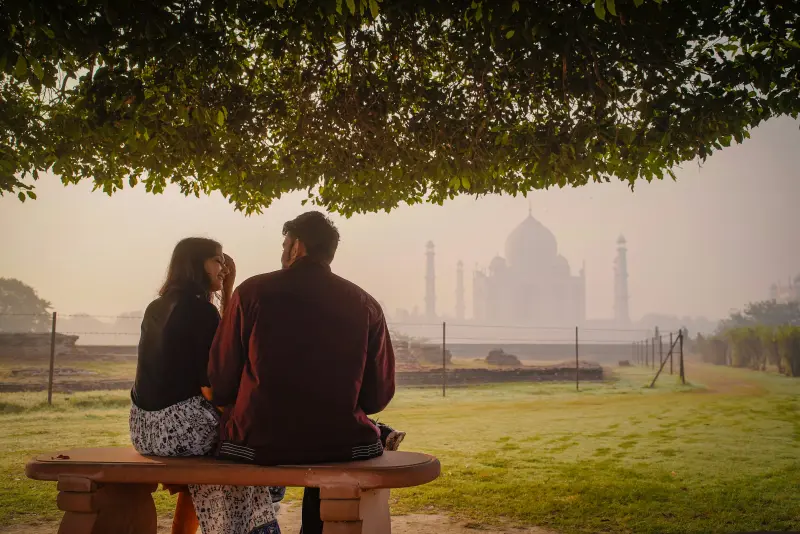
1. Taj Mahal at sunrise — arrive by 5:30 AM for the most magical light. 2. Agra Fort — the 94-acre Mughal fortress with Taj views from the Musamman Burj. 3. Fatehpur Sikri — Akbar’s abandoned ghost capital, 40 km from Agra. 4. Mehtab Bagh sunset — the best sunset view of the Taj from across the Yamuna River. 5. Kinari Bazaar & Sadar Bazaar — Mughal-era spice markets and street food.

Q.Is the Taj Mahal open every day?

The Taj Mahal is open every day except Friday. On Fridays, the monument closes for congregational prayers at the mosque inside the complex. See our Is Taj Mahal Closed on Friday guide for the best alternative Friday itinerary.

Q.What is the best time of year to visit Agra?

October to March is ideal — temperatures range from 10–25°C with clear skies. Avoid April–June when temperatures exceed 45°C. The monsoon (July–September) brings dramatic clouds but extreme humidity. The shoulder months of October–November and February–March offer the best balance of weather and crowd levels.

Q.How much does it cost to visit the Taj Mahal?

Foreign tourists pay ₹1,300 (₹1,100 entry + ₹200 mausoleum supplement), Indian citizens pay ₹250 (₹50 + ₹200). SAARC citizens pay ₹740. Children under 15 enter free. All tickets are digital-only — no cash accepted. See our Taj Mahal ticket price guide for the full breakdown.

Q.Are female guides available for Taj Mahal tours?

Yes — licensed female historian guides are available and highly recommended, especially for groups interested in the history of the Mughal women and the zenana (women’s quarters) politics. Our Agra tours include female guide options on request.

Q.Can I visit Agra as a day trip from Delhi?

Yes — Agra is 188 km from Delhi (3–4 hours by car, 100 minutes by Gatimaan Express). A day trip covers the Taj Mahal and Agra Fort comfortably, but you’ll miss the sunset at Mehtab Bagh and the street food experience. For the full Agra experience, an overnight stay is strongly recommended.

Q.What street food should I try in Agra?

Agra’s street food is legendary: Petha (translucent ash gourd sweet — try saffron and coconut varieties), Bedai & Jalebi (spicy lentil pastry with syrupy jalebi — the classic Agra breakfast), Mughlai paratha (stuffed flatbread), and lassi from the shops near Sadar Bazaar. The Kinari Bazaar spice market is a sensory overload of roasted cumin, turmeric, and dry chillies.

Top-Rated Agra Tours to Book

Handpicked experiences with licensed local guides. Instant confirmation.

Discover the real Agra.

Experience the difference of local mastery. Our licensed guides ensure you see the soul of the city.

The Ultimate Guide: In-Depth Exploration of Agra (2026 Edition) | AsiaByLocals