7 Days in Sri Lanka
Seven days is the shortest trip that closes the full Sri Lankan loop. Day 1 Colombo, day 2 Sigiriya and Dambulla, day 3 Sigiriya at dawn then Kandy, day 4 the tea country and the hill train to Ella, day 5 Ella, day 6 an Udawalawe or Yala safari and down to the south coast, day 7 Galle Fort and back to Colombo. Culture, hills, wildlife and coast, with two to three hours of driving most days.
7 days in Sri Lanka at a glance
| Day | Based in | What you do | Getting there |
|---|---|---|---|
| 1 | Colombo | Colombo | 35 km from the airport |
| 2 | Sigiriya | North to the cultural triangle | Colombo to Sigiriya, 175 km, four hours |
| 3 | Kandy | Sigiriya at dawn, then south to Kandy | Sigiriya to Kandy, 90 km, two and a half hours |
| 4 | Ella | Tea estates and the hill train | Three hours by road to Nanu Oya, four hours by train to Ella |
| 5 | Ella | A day off the road in Ella | — |
| 6 | South coast | Safari at Udawalawe, then down to the sea | Ella to Udawalawe is two hours |
| 7 | Colombo | Galle Fort and the road back | Galle to the airport is 155 km, about two and a half hours on the E01 |
One week is the length Sri Lanka is shaped for. The island is a circle roughly 400 km across, and seven days is what it takes to go round it once without any day being punishing. This is the route almost every operator sells, and for once the consensus is right: cultural triangle, hill capital, tea country, a national park on the way down, and the south coast before you fly. The version below differs from the standard one in a single respect — it puts the safari on day six rather than day two, because the drive south from Ella passes Udawalawe anyway, and doing it as a detour from Colombo wastes eight hours.
The default first trip. If you have one week and no strong preference, take this one.
Colombo
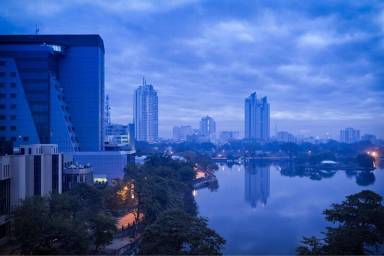
Land, sleep off the flight for an hour, and give the capital an afternoon. Pettah's market lanes, the Gangaramaya temple, the old fort district and Galle Face at sunset. In the evening, a street-food tour — six or seven stops you would not find alone, and a working education in what to order for the rest of the week.


Buy a local SIM at arrivals. Coverage is good across the whole route and it costs a few dollars.
North to the cultural triangle
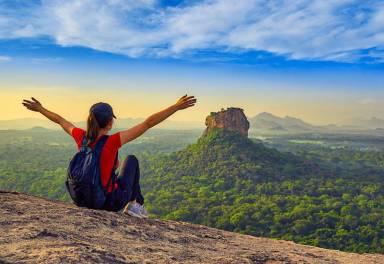
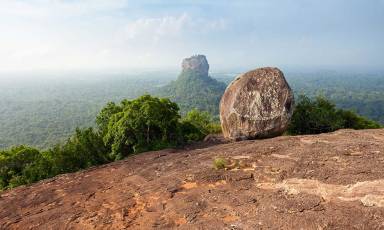
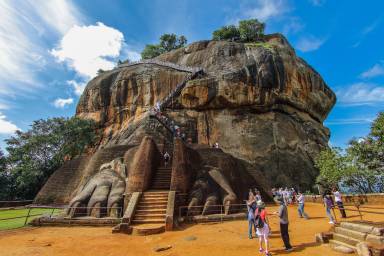
Four hours north. Dambulla's five painted caves in the afternoon, then settle near Sigiriya. Sleeping under the rock rather than driving to it is what makes the dawn climb possible, and the dawn climb is the whole point.
In the June to September dry season, add a late-afternoon Minneriya jeep safari — the elephants gather on the reservoir bed and there is nowhere else quite like it.
Sigiriya at dawn, then south to Kandy
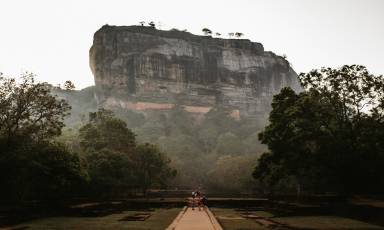
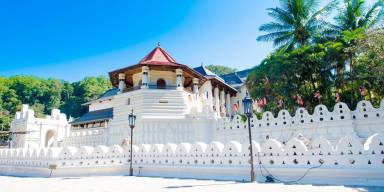
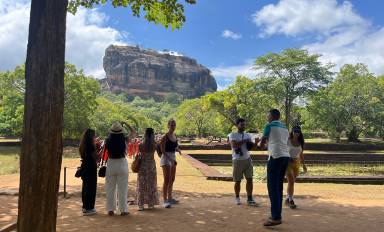
Up the rock at 6.30am: 1,200 steps past the mirror wall and the frescoes to a fifth-century citadel on a granite plug. Down before the heat, then two and a half hours south to Kandy. Arrive with the afternoon free for the lake and the market, and be at the Temple of the Tooth for the 6.30pm puja.
Polonnaruwa, an hour east of Sigiriya, is the better ruin city if you have a morning to give it and skip the rock.
Tea estates and the hill train
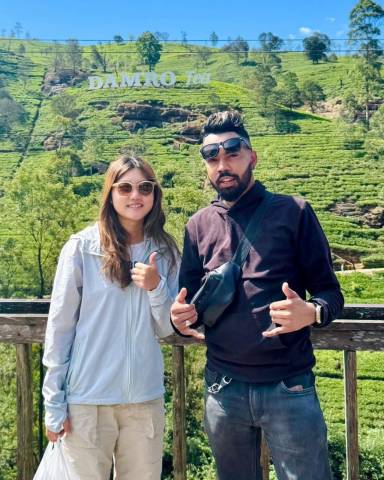
The climb out of Kandy past Ramboda falls into tea country, a factory visit on the way, and then the train from Nanu Oya to Ella — four hours through the highest estates on the island and across the Nine Arch bridge. Send the car ahead with the luggage.
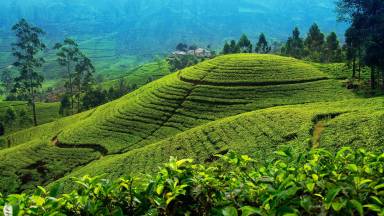
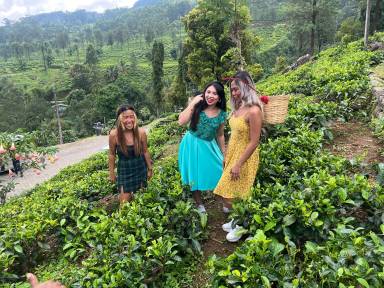
Reserved seats open 30 days ahead. If they are gone, unreserved second class is standing room and arguably the better ride.
A day off the road in Ella
Little Adam's Peak at first light, the Nine Arch bridge mid-morning when a train crosses, Ravana Falls and the abseiling operators in the afternoon. Ella is small and everything is within a few kilometres, which after four days of driving is the point.
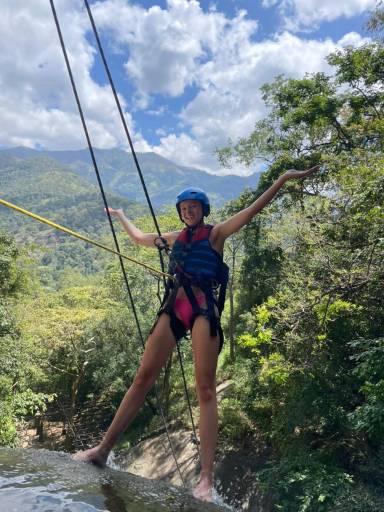

Ella Rock is the harder walk and easy to get lost on. Take a guide or take Little Adam's Peak instead.
Safari at Udawalawe, then down to the sea
Leave Ella early for a morning game drive. Udawalawe is two hours south and is the dependable elephant park — a few hundred resident animals, open grassland, and far fewer jeeps than Yala. Yala has the leopards and the crowds, and closes for about a month each September. Either way you are back in the car by noon and on the coast by mid-afternoon, which is when the beach is worth having.
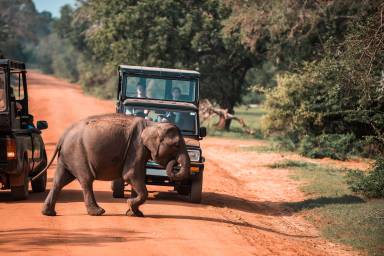
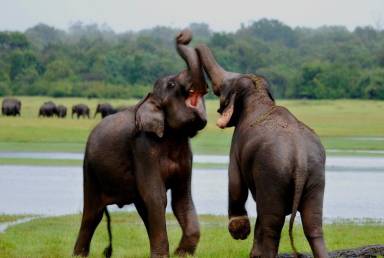
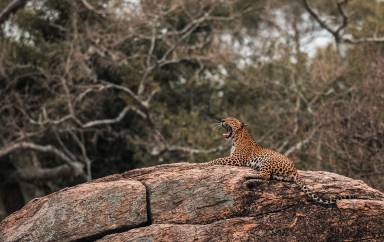
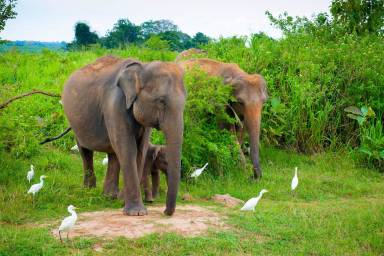
Take the 6am drive. Animals move at dawn and stop by nine, and the afternoon drive is hotter for worse odds.
Galle Fort and the road back
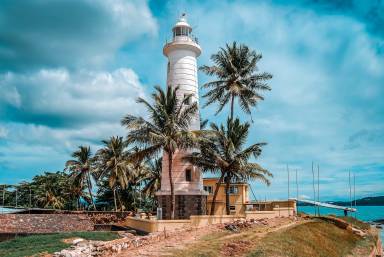
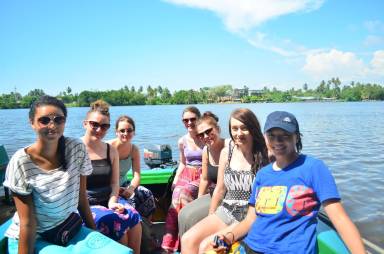
Galle Fort in the morning — a lived-in Dutch walled town, an hour on the ramparts and another in the lanes behind them. Then the southern expressway, which puts you at the airport in two and a half hours from Galle. If the flight is late, the Madu River mangroves or a turtle hatchery fit in on the way north.
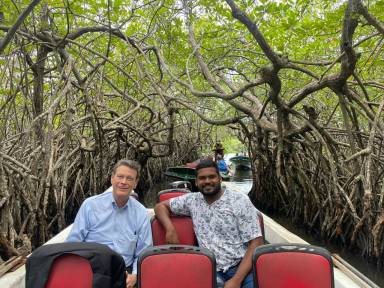
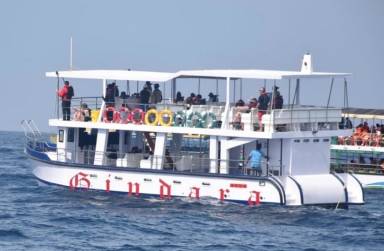
Between November and April, swap Galle for a dawn whale-watching boat from Mirissa. Blue whales pass close to shore and the trip is back by 11am.
Planning this trip
Getting around
Sri Lanka is small on the map and slow on the ground. Colombo to Kandy is 115 km and takes three to four hours; Kandy to Ella is 140 km and takes four to five. Distances mislead, so plan by hours, not kilometres. A car with a driver runs roughly USD 55-75 a day including fuel and the driver's accommodation, and for two or more people it costs about the same as separate transfers while saving hours. Intercity trains are cheap and scenic but slow and often full — the Kandy to Ella line is worth taking for the ride itself, not as transport.
Money and cards
The currency is the Sri Lankan rupee. Cards work in Colombo hotels, larger restaurants and supermarkets; almost nothing else. Carry cash for tuk-tuks, entrance fees at smaller sites, village lunches and tips. ATMs are reliable in Colombo, Kandy, Galle and Negombo and thin everywhere else, so draw before you leave a town.
Visa
Most nationalities need an ETA before arrival, applied for online at the official Sri Lankan immigration site. Apply a few days ahead rather than at the airport, and use the government site directly — the copycat sites that rank alongside it charge a markup for the same document.
What to wear at temples
Shoulders and knees covered at every Buddhist site, and shoes off before you enter — that includes Dambulla, the Temple of the Tooth in Kandy and Colombo's Gangaramaya. Socks are worth carrying: stone courtyards get genuinely painful underfoot by midday. Never pose with your back to a Buddha image for a photograph; it is treated as a serious offence and tourists have been deported for it.
When to go
Sri Lanka has two monsoons hitting opposite coasts, so there is no bad month for the whole island. December to March is dry on the west and south coasts and in the hill country, which is the season for Colombo, Galle, Mirissa and Ella. May to September is dry on the east coast. April and October are the inter-monsoon months and can be wet anywhere. Whale watching off Mirissa runs roughly November to April.
Tipping
Tipping is expected but small. Roughly 10% at restaurants where service is not already added, LKR 500-1000 a day for a driver-guide, and LKR 200-500 for a safari tracker. Rounding up a tuk-tuk fare is enough.
The hill-country train
The Kandy to Ella line is the one train worth planning around, and the best section is Nanu Oya to Ella — about four hours through tea estates and the Nine Arch bridge. Reserved seats open 30 days ahead and sell out within hours; unreserved second and third class are always available on the day and are standing-room by Nuwara Eliya. Sit on the right-hand side heading south for the valley views. If a reserved seat is not available, take the drive and use the train for the short Nanu Oya-Ella leg only.
Choosing a national park
Yala has the highest leopard density in the world and the crowds that come with it — 300 jeeps a morning in the busy block, and it closes each September for about a month. Udawalawe is the reliable elephant park: fewer jeeps, near-guaranteed sightings, open all year. Wilpattu is the largest and the quietest, four hours north of Colombo, with leopards but far lower odds of seeing one. Minneriya and Kaudulla are worth it only in the dry season, roughly June to September, when the elephants gather on the reservoir beds. Book the 6am game drive rather than the afternoon one.
Frequently Asked Questions
Is one week enough for Sri Lanka?
Yes — seven days is the length the island's classic loop is designed around. You get the cultural triangle, Kandy, the tea country, a national park and the south coast, with two to three hours of driving on most days rather than the four-hour hauls a shorter trip forces.
Yala or Udawalawe for a seven-day trip?
Udawalawe, unless leopards are the reason you came. Udawalawe is closer to the route, open year-round, far less crowded and near-certain for elephants. Yala has the world's highest leopard density and around 300 jeeps a morning to go with it, and it closes for roughly a month each September.
Should I go clockwise or anticlockwise?
Anticlockwise, as above: north first, then the hills, then the coast. It puts the hardest driving at the start when you are fresh, ends near the airport, and means you finish on a beach rather than in a van.
How much should a seven-day trip cost?
Excluding international flights, roughly USD 700-1,400 per person. A car with driver is USD 55-75 a day, mid-range hotels USD 40-90 a night, park entry USD 25-45 per person per park, and food USD 25-40 a day if you eat locally and well.
Can I do this without a driver?
You can, with trains and buses, but expect to lose the equivalent of a day and a half to waiting and connections. The train covers Colombo-Kandy-Ella well; nothing else on this route is well served by public transport, and Sigiriya and Udawalawe in particular are difficult without a car.
What is the best time of year for this route?
December to March, when the west coast, the south and the hills are all dry. July and August work too, though the hill country sees more afternoon rain. May, June and October are the wettest months for this particular loop.
Book the guided parts of this trip
Every tour above runs with a verified local operator.
Browse all Sri Lanka tours